

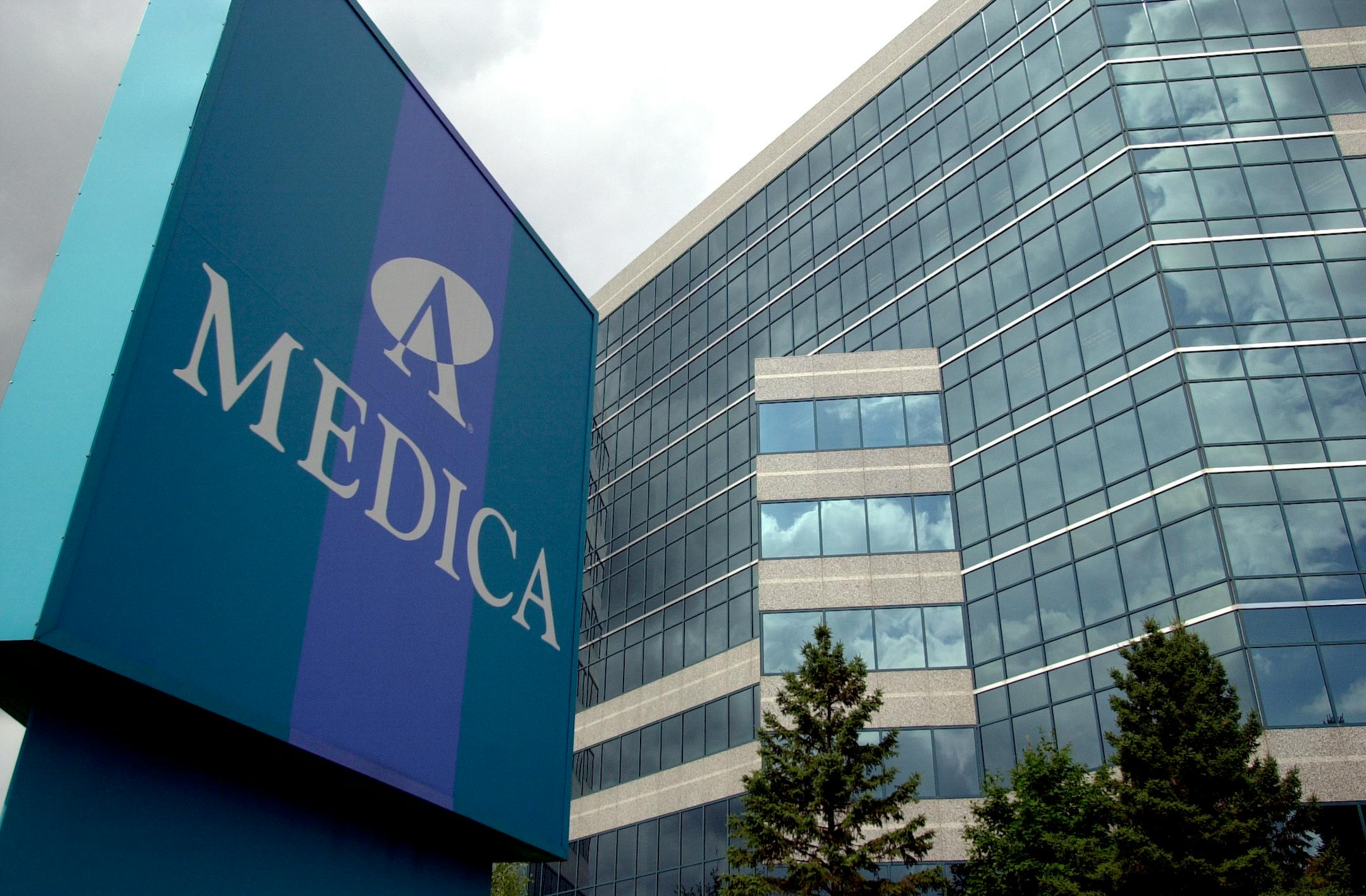
It's hard to guess who critics thought got the profits when nonprofit Medica transferred capital to its for-profit health insurance subsidiary.
No one does, of course.
The Medica Insurance Co. is owned by Medica, a nonprofit with no shareholders. No one gets a distribution of profits, stock options, stock appreciation rights, dividends or any other form of owners' income.
That didn't keep Medica from getting pounded by Gov. Mark Dayton and others this fall for moving some capital from a subsidiary called Medica Health Plans to its sister company.
If anyone gets worked up about a nonprofit owning a for-profit subsidiary, they are not thinking clearly. What's worse about this whole story of Medica's capital allocation is that all the complaining only reinforces the enduringly popular delusion that nonprofits shouldn't ever make a nickel.
What all nonprofits need is capital. That's true for Mayo Clinic and the other big health care companies on the top of the list of largest nonprofits down to the local food shelf or community theater.
It doesn't matter whether it's called the reserve, a surplus or net assets — it's all capital. There's only one reliable way to get such a cushion: That's consistently spending a little less than they take in.
Yes, that means making a profit.


