
New U president must work toward healing with Minnesota tribes

A new report from the TRUTH Project will help that person succeed.

April 23, 2023 at 11:00PM
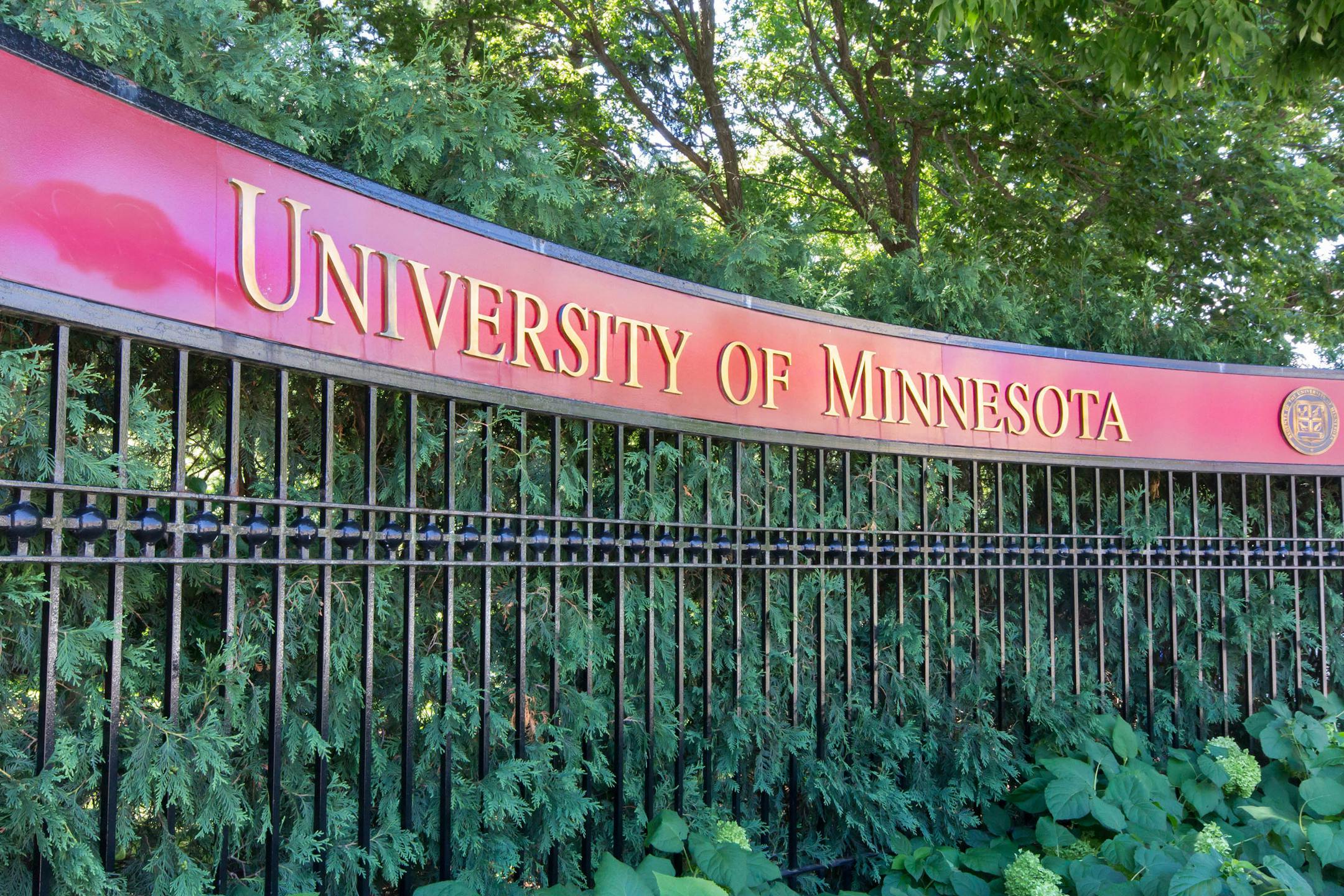
Entrance to the campus of the University of Minnesota (Star Tribune file/The Minnesota Star Tribune)

Opinion editor's note: Star Tribune Opinion publishes a mix of national and local commentaries online and in print each day. To contribute, click here.

•••

With a leadership transition underway at the University of Minnesota, we're already seeing discussion and debate about what we need from both an interim and permanent president during this turbulent chapter of the institution's history.

Among many expectations, the next president should be someone able and willing to build bridges with Minnesota's 11 federally recognized Indian tribes and foster a relationship founded on healing. This expectation became especially urgent after the release of the full report from the TRUTH Project (Towards Recognition and University-Tribal Healing). That report finds that the University of Minnesota was founded on the genocide and forced removal of Native Americans, among other transgressions.

So far, discourse around the search for the U's next president has been focused on how the institution can improve upon President Joan Gabel's shortcomings. To her credit, President Gabel has made notable strides toward building a positive relationship with tribal nations, especially compared to her predecessors. Page 160 of the TRUTH Project's report even credits her for doing so.

Among Gable's accomplishments was the establishment of the first senior-level position dedicated to tribal relations, expanding tuition assistance for Native students and, of course, the partnership with the Minnesota Indian Affairs Council (MIAC) that created the TRUTH Project. It seems reasonable to expect that Gabel's successor will build upon that progress, rather than abandon it or step backward.

As for how to chart a path forward, the next U president will not have to spend too much time brainstorming. The authors of the TRUTH Project's full report have already done that work for them.

The executive summary of the report reads:

"We call on the Board of Regents and University of Minnesota leadership to take concrete, meaningful, and measurable steps toward healing through a comprehensive approach that combines reparations, truth-telling, policy change, and transformative justice processes."

The report includes recommendations for university leadership that focuses on a few general areas: the returning of stolen lands; economic justice, via using the Permanent University Fund to give back to Native American people; increasing Native representation from top-to-bottom of the institutional ladder; a full cost of attendance waiver for all Native students; supporting future TRUTH-related research; and meeting the federally mandated trust obligations that come with being a land-grant institution.

The fulfillment of TRUTH's recommendations is the most obvious next step for the incoming U leadership to take. For starters, it's what the tribes want. The recommendations in the report were put together after a three-year, robust consultation process conducted by TRUTH, MIAC and Minnesota's tribes. Any decisions toward healing must be done with the groups affected at the table, plain and simple. Moving forward on their terms would be a symbol of respect for tribal autonomy and self-determination.

TRUTH's recommendations may face opposition from those who believe they are too bold, and that tribes should expect to compromise. But it's not as if the recommendations aren't meeting us in the middle. The report even explains how the recommendations align with the university's own strategic plan and vision.

When you weigh the recommendations against the horrors of the university's role in displacement, assimilation and extermination, the economic and social justice measures the report suggests are small potatoes.

With all of this in mind, the ideal presidential candidate will be someone with a background collaborating with tribes and Indigenous communities. Such a leader will be willing to take the 554-page report from TRUTH to heart and pursue the work outlined within it.

At such a sensitive moment, it would be a misstep for the Board of Regents to hire someone who does not have firsthand experience with the nuances of tribal sovereignty or the systemic issues facing Native students. If the next U president were to, hypothetically, reject key recommendations in the TRUTH report, and place themselves at odds with tribal leaders, it could spell another PR disaster for the university.

The Regents would be wise to include language in the job posting that incentivizes candidates with experiences, skills and qualifications that will sustain the work toward healing the university's relationship with tribes.

Dylan Young is a senior at the University of Minnesota, Morris and former president of the Morris Campus Student Association.

about the writer

about the writer

Dylan Young

More from Commentaries

See More
card image
Carlos Gonzalez/The Minnesota Star Tribune

Dollar amounts were discussed early, and the problems only grew from there.

card image
card image