

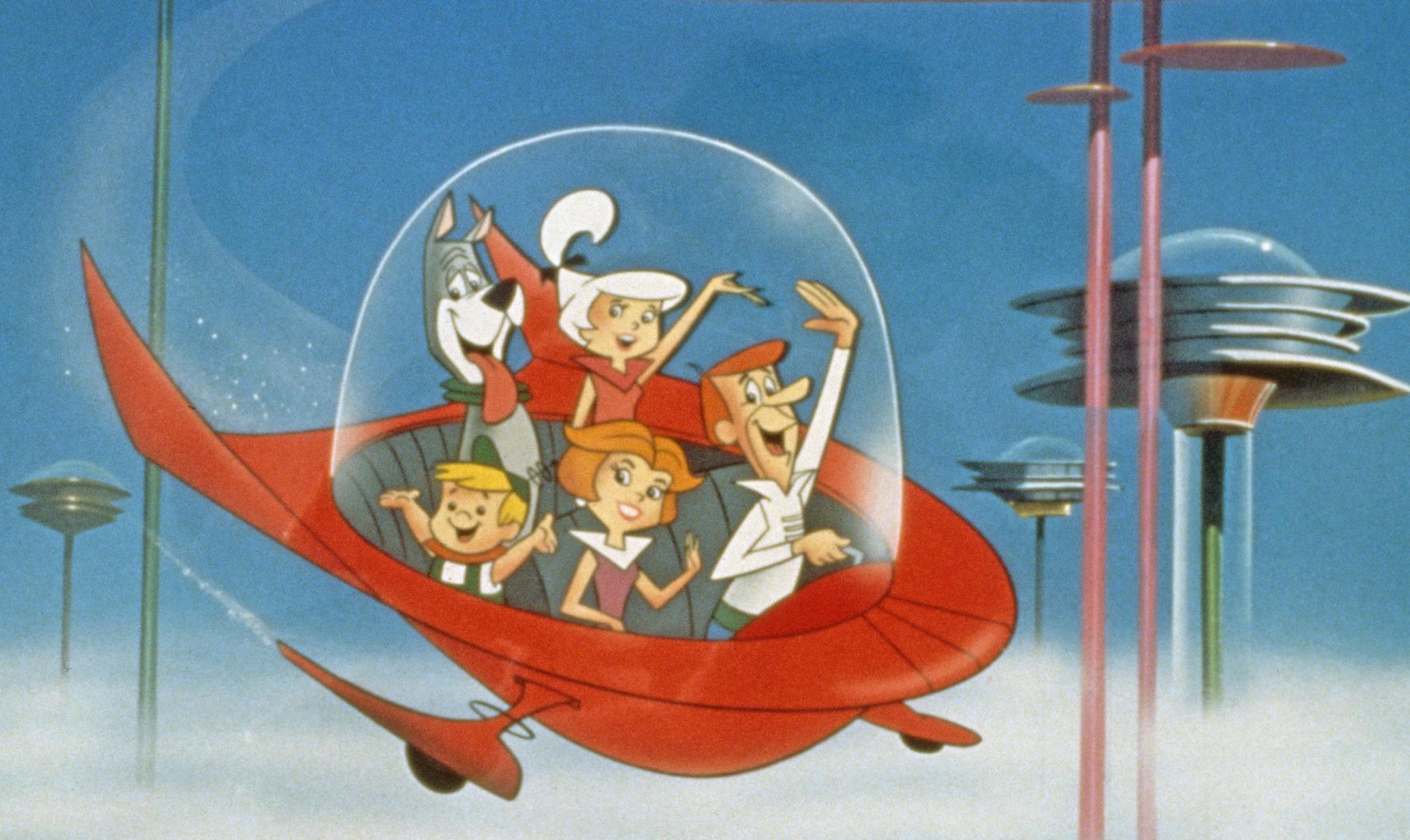
A car without a driver has long been the stuff of B-grade entertainment. For children, there's Herbie "The [Volkswagen] Love Bug" and "Chitty Chitty Bang Bang."
Who can forget "Knight Rider," the 1980s television show in which David Hasselhoff was routinely out-emoted by a custom Pontiac Trans Am? In the 1977 schlock classic "The Car," a driverless Lincoln Continental terrorized a Utah town. The 1983 movie "Christine" dramatized a Steven King story about a Plymouth Fury with a mean streak.
But in the not-too-distant future, driverless cars will be leaving the special-effects studio and heading for your driveway.
Back in 2004, the U.S. Department of Defense held a contest to see if driverless cars could negotiate a 150-mile course. None of the entrants succeeded. By 2012, Google was announcing that its fleet of autonomous cars was logging several hundred thousand miles in real-world traffic on roads across California and Nevada.
The potential safety benefits of driverless cars are remarkable. More than 30,000 Americans are killed each year in road accidents, and another 240,000 or so have injuries severe enough to require hospitalization. But the driverless car won't get drunk. It won't drive like an excitable teenager. It won't suffer momentary lapses of attention. It will observe traffic rules. It won't experience slowing reflexes or diminishing vision as it ages.
About 86 percent of U.S. workers drive to their jobs, and the average travel time is 25 minutes each way, according the U.S. Census Bureau. Multiply that by two directions, five days a week, 50 weeks a year, and the average person is spending more than 200 hours per year — the equivalent of five 40-hour workweeks — sitting in a car commuting to and from work.
In a world of driverless cars, this time — and all the additional time we now spend driving — could be used to work, draw up a shopping list, watch a movie, read a book, make a phone call, look out the window or even take a nap.
Traffic congestion could diminish, because automated cars, with their electronic reflexes, would be able to travel more closely — even "platooning" together into caravans. Also, automated cars can use narrower lanes and road shoulders, creating room for more lanes of traffic.


