

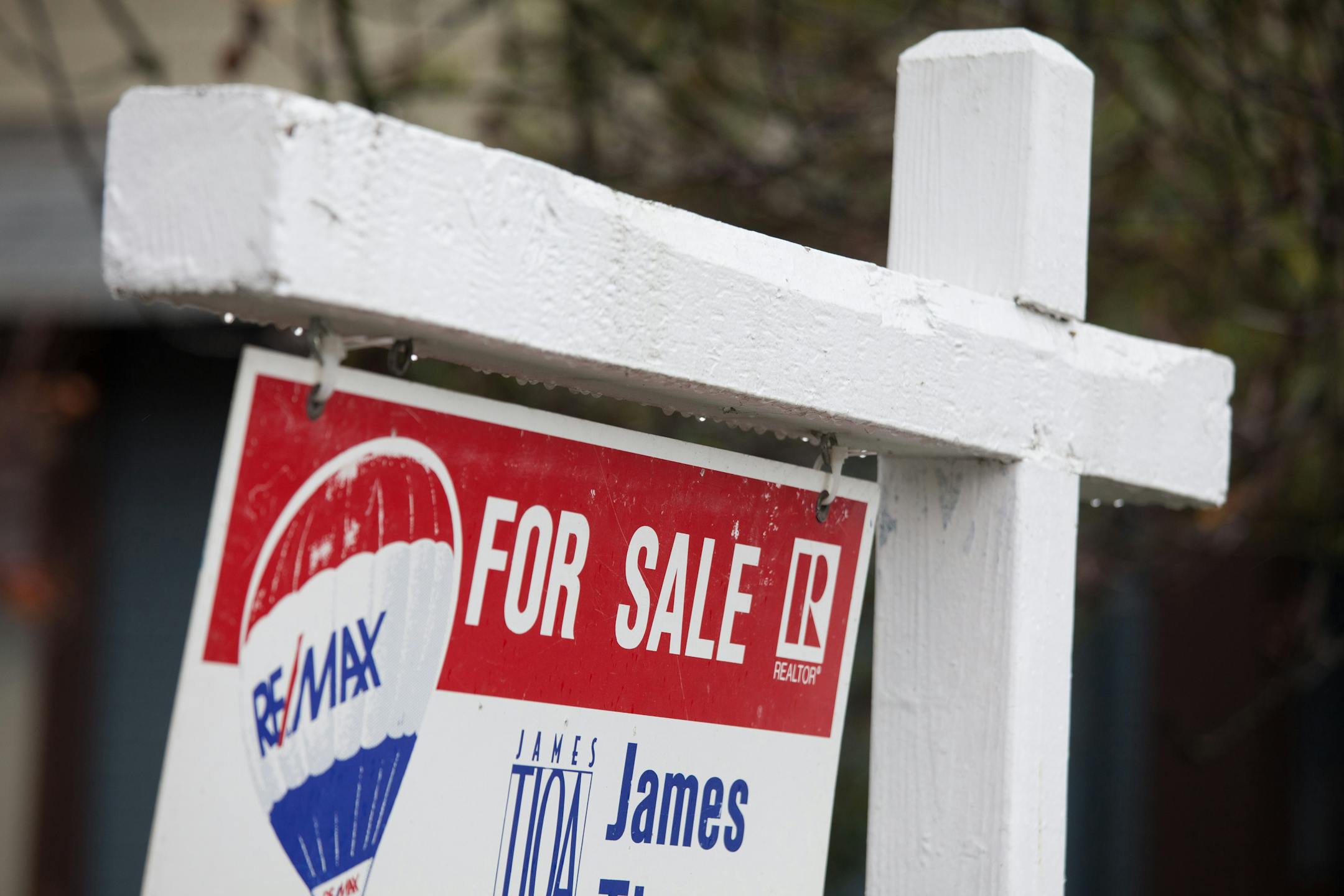
New federal mortgage rules are going into effect at the start of the new year, aimed at preventing a repeat of the mortgage meltdown that led to millions of Americans losing their homes.
The rules make stricter lending practices official, but may not change much of the industry's day-to-day practices because lenders have already tightened their credit standards.
"The new rules are really more of a formalization of the type of rules we've had in place," said Keith Gumbinger, vice president of HSH.com, the mortgage information company based in Riverdale, N.J.
Having suffered huge losses after lending too freely, mortgage lenders "have become very disciplined about making sure you can actually afford the mortgage," he said.
The rules, from the federal Consumer Financial Protection Bureau, go into effect Friday and include these provisions:
• Lenders must base their decisions on a borrower's ability to repay the mortgage. During the housing boom, lenders often wrote exotic loans that were affordable only for a year or two, when monthly payments were kept artificially low.
• Lenders can't write mortgages unless the borrowers' monthly debt payments (including the mortgage, car loans and other debt) come to no more than 43 percent of their income.
• Mortgage fees cannot exceed 3 percent of the loan amount.



