

my job
By Laura French • jobslink@startribune.com
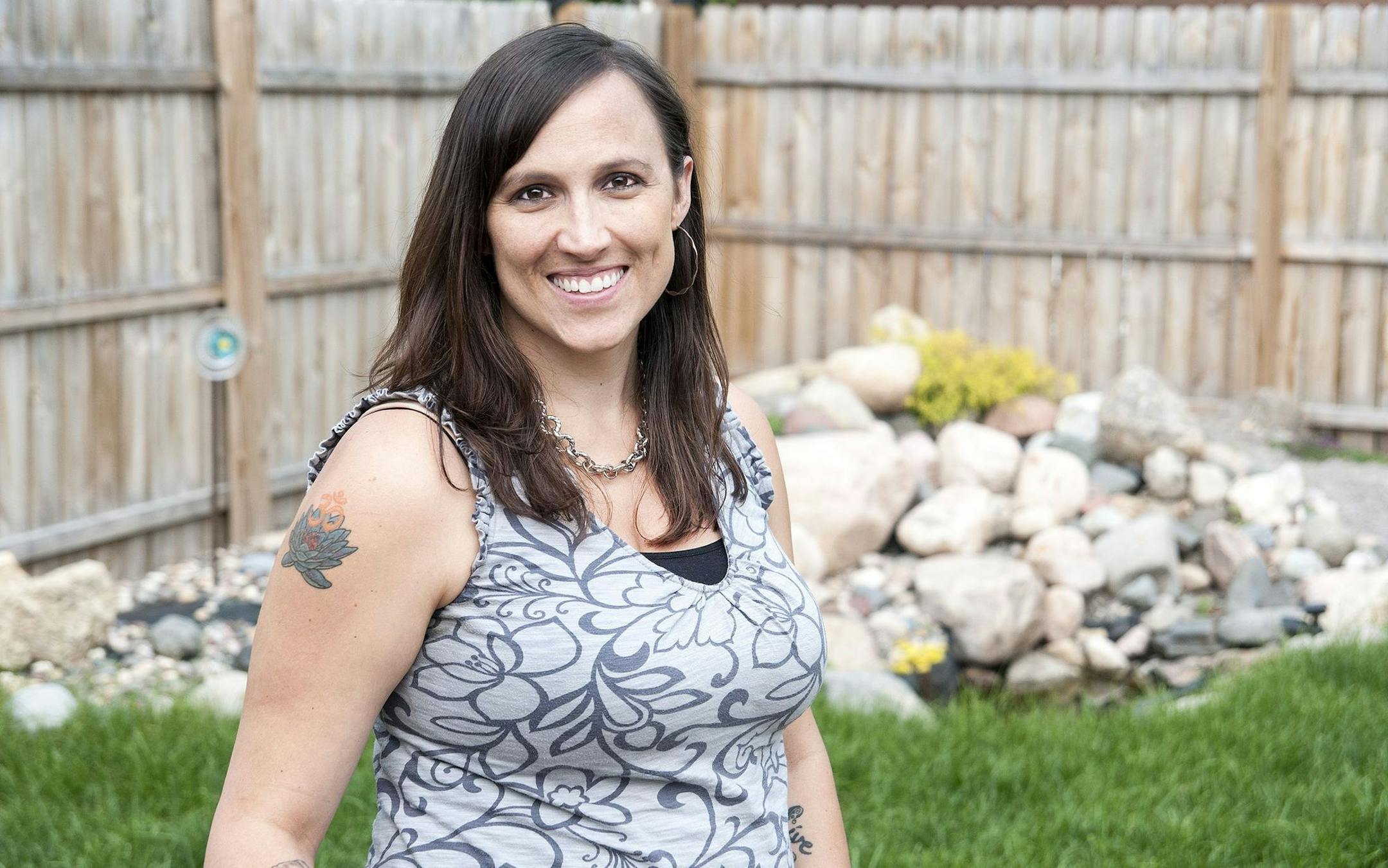
Leah Martinson started out in health care when she was 16 as a nursing assistant in a nursing home. "I worked for nursing homes and group homes. I worked with kids with disabilities," she said. "I also worked as massage therapist very part-time. I always knew that I wanted to do more. I wanted to help people help themselves instead of just doing services for them."
After completing a degree in psychology, she started a career in social work. "I saw myself burning out within two years if I went into that field. There's a lot of caretaking."
She had looked at the health-coaching program at the University of Minnesota Center for Spirituality and Healing several times and "felt drawn to it." She finally enrolled in 2011 and completed the certificate program. She's now in the Master's degree program while working part-time.
"My favorite thing to coach people on is spirituality," Martinson said. "People tend to be afraid of that; 'oh, that must mean I have to go to church.' It's not that. It's about a sense of purpose. Without that, it's hard to do much and get motivated."
While she can work on spiritual, emotional, mental, financial or social health issues, Martinson said, "Most commonly, clients want to lose weight, be healthier or reduce stress. I find out what is it exactly that you want — a specific weight loss goal that you have, how motivated are you, where do you feel the most comfortable getting started. We talk about the different options that are out there. We break it down and work on one area at a time so that it feels more manageable."
She might meet with a client weekly or less often. "Some people are highly self-motivated and a monthly check-in is enough," she said. "Some people feel having a weekly check-in is what motivates them."
Martinson's goal is to move into private practice. "I'm really excited to see this shift happening in how we do health care in this country," she said. "I want to see more people believe in themselves, in their abilities to take an active role in how they feel, changing outcomes and diagnoses and prognoses. There are so many things we can do for ourselves."


