

Opinion editor's note: Star Tribune Opinion publishes a mix of national and local commentaries online and in print each day. To contribute, click here.
•••
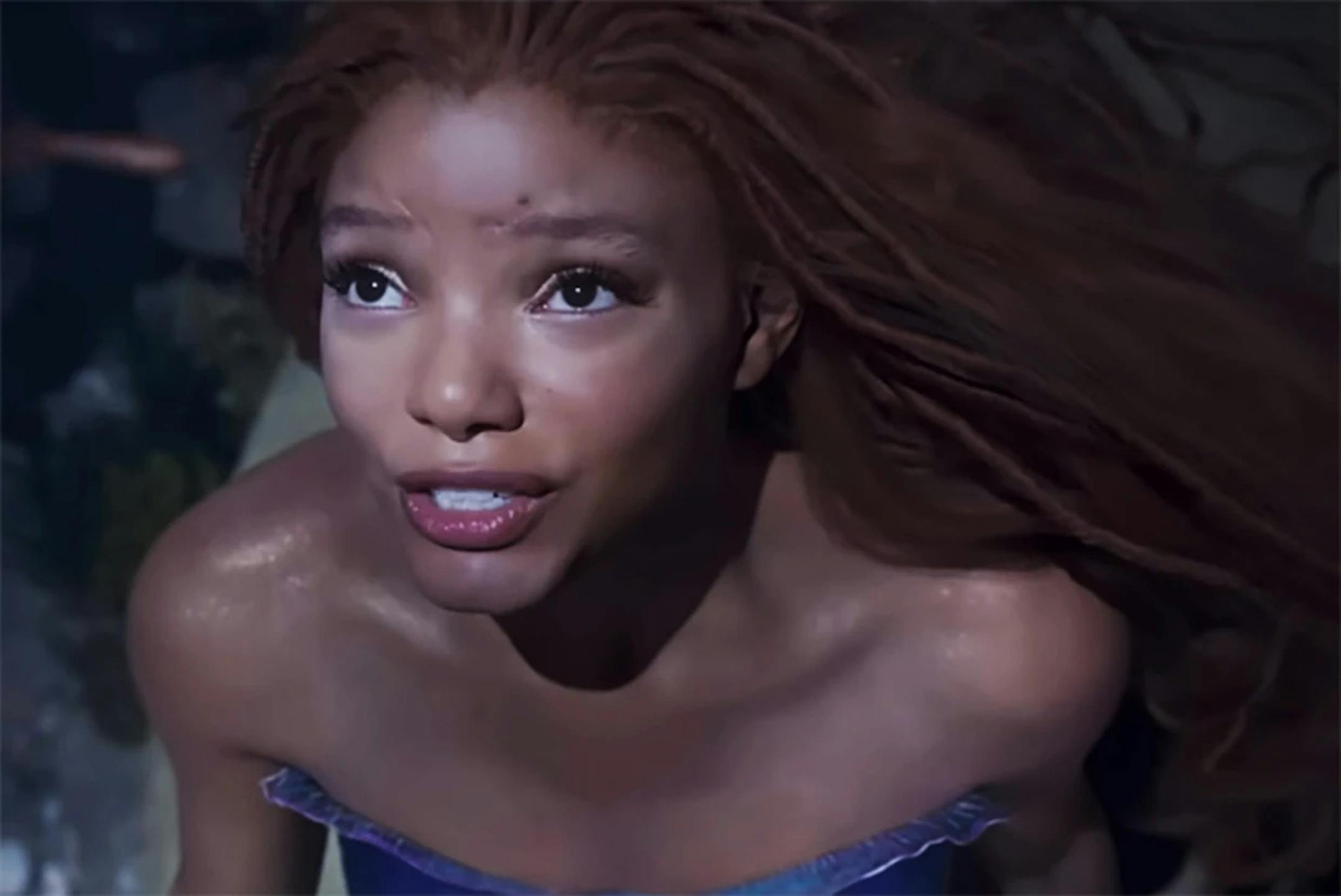
During the recent D23 convention in Anaheim, the Walt Disney Company released a teaser trailer for the upcoming live-action remake of its classic animated film "The Little Mermaid." In it, Halle Bailey, playing the movie's star mermaid, Ariel, stares up to the surface and sings a few bars of her signature ballad, "Part of Your World." The clip prompted a lot of excitement at the convention and on social media, where Black parents, for example, shared videos of their excited daughters seeing Bailey playing the first Black live-action Disney princess.
But the trailer also sparked anger and dismay among fans who felt that Ariel was written to be a white character. As these critics saw it, Bailey's casting was nothing more than "wokeness" gone awry.
The anger over the racial identity of a mermaid, partnered with similar vitriol over racial diversity in Middle-earth in the new "The Lord of the Rings: Rings of Power" TV series, reminds us of the powerful racial politics behind representation in fantasy narratives.
But we also might note the complicated racial politics within the stories themselves and the genre of the musical more broadly.
The origins of the musical have been traced back to various precedents. By the 20th century, the musical took cues from opera in its attempt to blend drama, dance and singing into a coherent narrative.
Many composers, lyricists and performers — especially Black and Jewish artists — were crucial to the genre's development during this time. The musical "Show Boat" (1927), for example, with music by Jerome Kern and lyrics by Oscar Hammerstein II, was hailed as a landmark production that told a serious story using various artistic elements including singing, dancing, acting and set design. When the Black stevedore Joe looks out and sings "Ol' Man River," he is expressing his exhaustion with his work as well as the centuries of oppression felt by Black people along the Mississippi River.


