

The trouble with attractive places is that they attract people. Enough people and they cease to be attractive.
I recall the first time I visited Sedona, Ariz., in the 1970s. It was a sleepy little village sitting in the most gorgeous red-rock setting, with a few residential areas nestled in the valleys near arroyos and at the bottom of clefts in the monumental rocks. They were barely visible. The more visible buildings were painted the color of the rocks and were not allowed in the foothills by decree.
Today, "progress" has decimated that small-town charm as population and tourism have swelled traffic to incredible levels. Megahomes have steadily encroached on the scenery, climbing higher and higher in the landscape. There is no joy in visiting Sedona today.
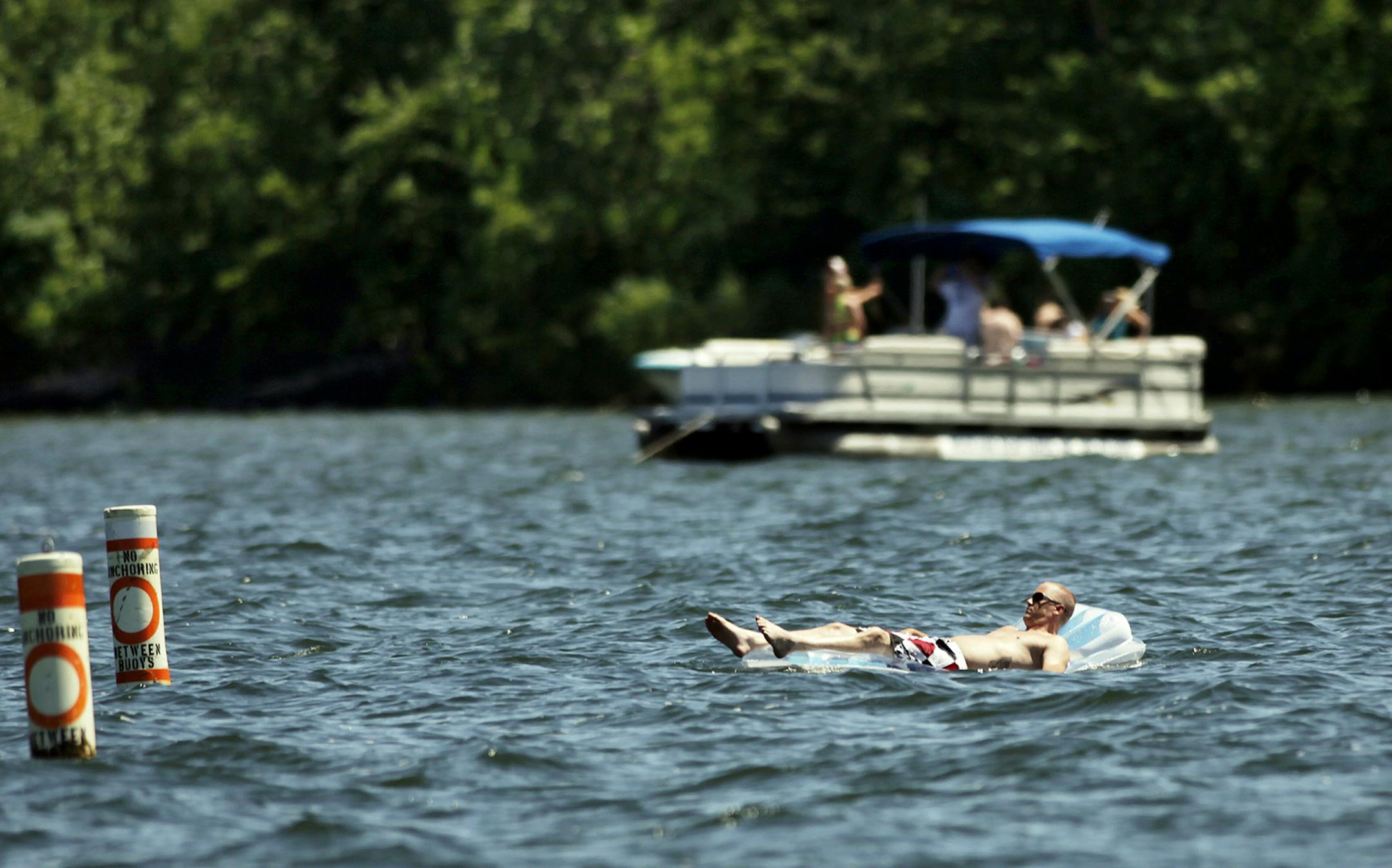
Reading of plans to increase tourism around Lake Minnetonka, I fear the same fate for that beautiful lake. Again, I recall a lovely period of my youth in the early 1950s when we would visit my parents' friends' lake home or stay at a Fairview Hospital-owned cottage on West Arm.
Early mornings were magical to me. I would be out by the lakeshore looking at an expanse devoid of boats. A fog hung on the lake, absolutely still and mirrorlike. I could hear loons crying to each other. I would climb into a rowboat and row out a little way, observing the slight wake behind the boat and the small eddies that formed around the oars. It was quiet, serene and mystical. Of course, at the age of 6 or 7, I didn't think in those terms. But the experience was not lost on me.
In her book "Once Upon a Lake," Thelma Jones describes the early days of exploration west of Minneapolis. The entire Lake Minnetonka area was forested by massive maple trees and populated by tribes of Indians. The few lonely homesteaders would spend years clearing enough of these giant trees to plant some kind of crop. The story goes that it was so isolated and otherworldly in those days that some farm wives would go out of their minds.
But then came James J. Hill with his railroad. He contracted to have the majority of those maple forests cut for firewood to run his trains. Then came people to farm. But there still wasn't the mass migration to populate the entire lake area. Only a few cottages sprang up along the lakeshore, and access was almost exclusively by streetcar boat.
In the late '40s, it was all gravel roads west of Wayzata. My parents' friends were considered crazy for living that far from their jobs downtown, yet in those days, it was also the most peaceful and healing environment one could hope for. But as roads were paved and properties were platted and cottages became year-round homes, it began to change. Living in that area in the '60s and '70s, we still enjoyed a relatively unspoiled lake, though the car and boat traffic was ramping up.


