

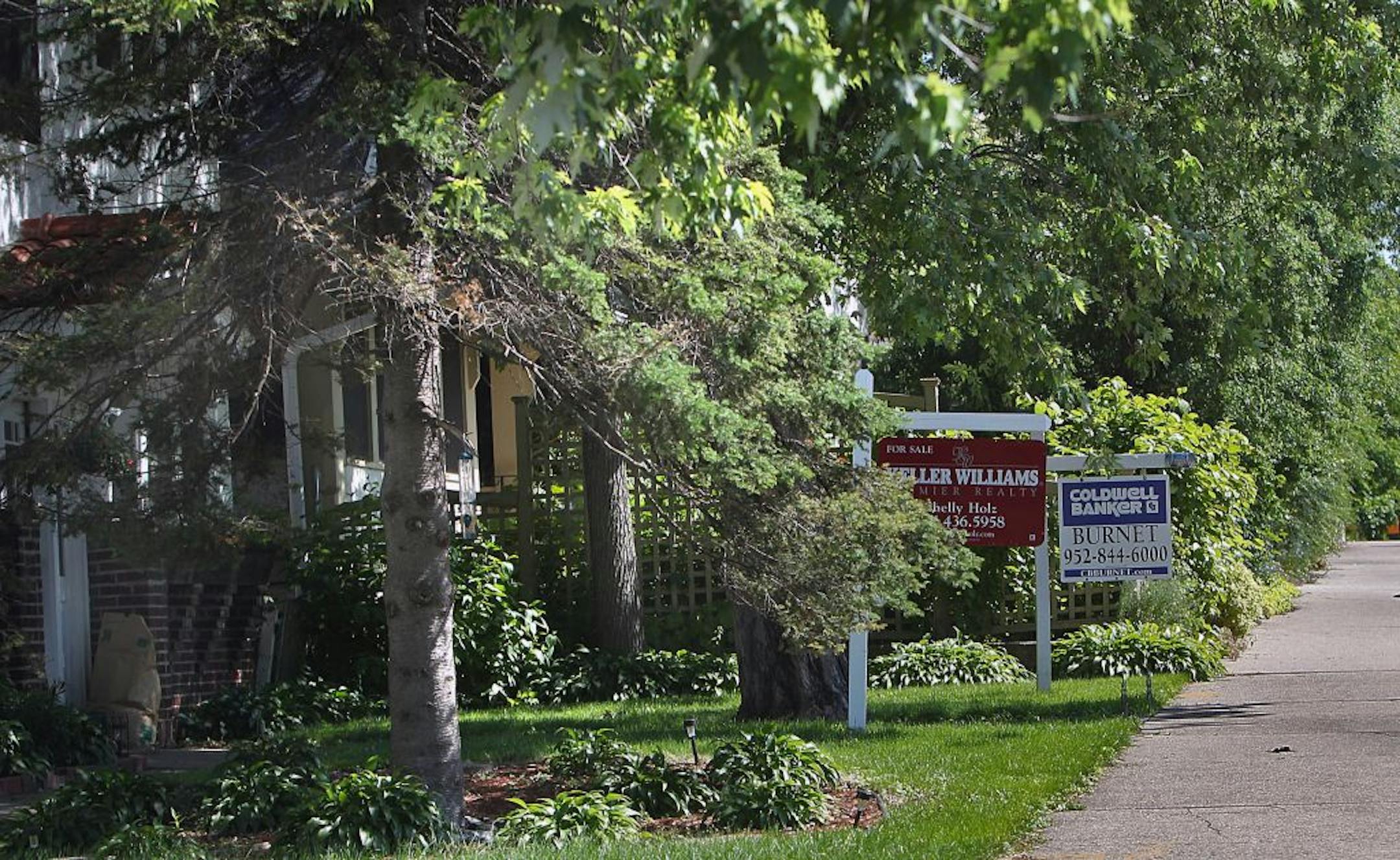
More Minnesotans are paying cash for homes despite a significant decline in sales to investors.
One-third of all sales across the state during the first three months of this year were cash deals, according to a Realtors confidence index report from the National Association of Realtors. That's comparable to the national average, but a significant increase from two years ago when such deals represented just 19 percent of sales in Minnesota.
"I'm surprised," said Chris Galler, CEO of the Minnesota Association of Realtors. "What agents are telling is just the opposite, they're saying those cash deals are not as prevalent as they were."
His theory is that many buyers are paying cash to give themselves a competitive advantage in a market where inventory is low and multiple offers are common. Many sellers favor the certainty of a cash buyer over one who needs a mortgage. Sometimes cash buyers are even offered a discount.
During the worst of the recession, cash sales increased in line with sales to well-funded investors who prowled the market snapping up heavily discounted foreclosures. With the housing recovery underway, prices on the rise and fewer foreclosures flowing into the market, those investors are going away. During March, lender-owned sales fell nearly 40 percent in the Twin Cities, according to the Minneapolis Area Association of Realtors.
"These findings beg the question as to why we're seeing higher shares of cash purchases," said Lawrence Yun, chief economist for the national Realtors group.
Yun speculated that more buyers are paying cash because they have no other option. Access to credit has been tight since the downturn, and that's forcing some buyers to tap into their savings instead. Low appraisals are still a problem in some areas, making it difficult for many buyers to get financing.
In Florida, where foreclosure rates remain exceptionally high and the economy hasn't recovered as quickly, more than half of all sales during the first quarter were cash. In Nevada, Arizona and West Virginia, cash buyers accounted for nearly 40 percent of transactions.


