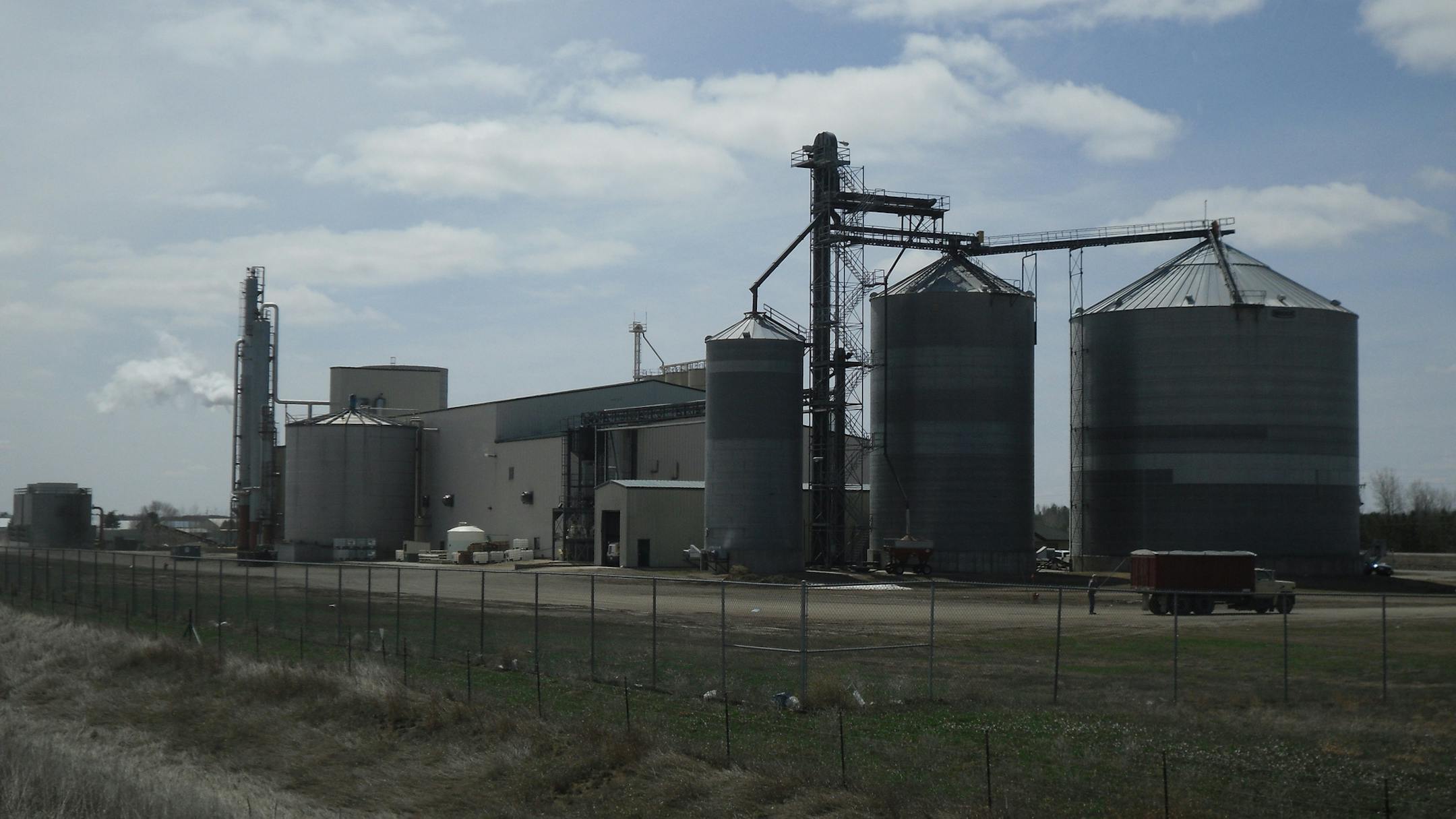
Minnesota, a pioneer in the ethanol industry with 21 production plants, is leading a shift away from the fuel.
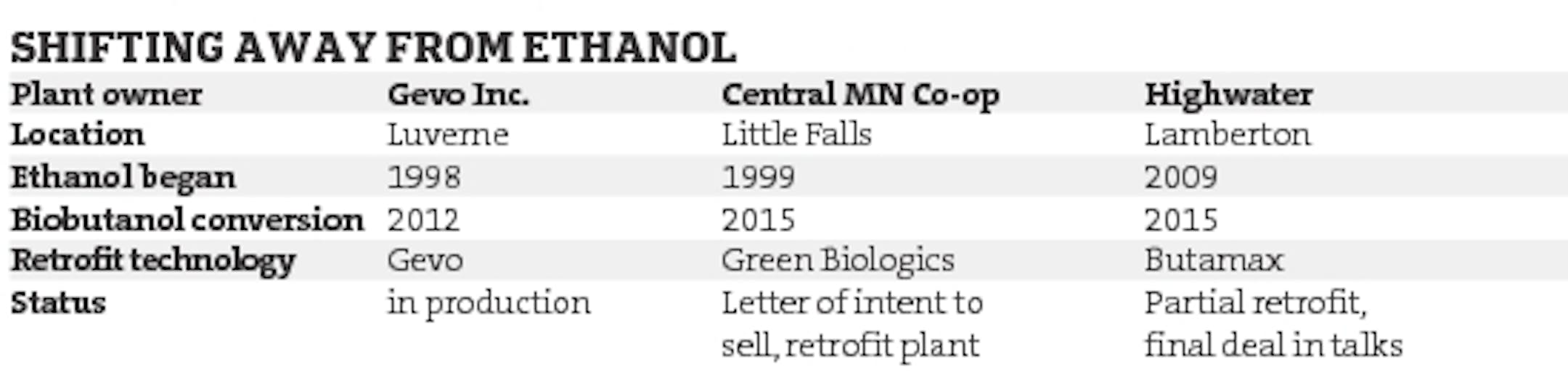
Two more ethanol plants, in Lamberton and Little Falls, are seriously considering retrofits to produce an alcohol called biobutanol. The ethanol plant in Luverne, Minn., already has made the switch.
It's happening as many ethanol makers struggled in the past year with high, drought-related corn prices that have left 20 U.S. plants still closed. The interest in potentially higher-value alternative alcohols seems to have converged on Minnesota.
"You are definitely in the middle of a hotbed of activity — there is no other way to say it," said Steven Slome, a New York-based consultant for the strategic advisory service Nexant.
Slome is working on a report for Nexant clients, "Biobutanol and Downstream Markets: Will You Be Buying Bio?"
The hoped-for answer is ''yes'' for companies like Green Biologics, the U.S. unit of a British biotech firm. In September, it signed a letter of intent to acquire the Little Falls ethanol plant. The company intends to invest "tens of millions" to switch production to a chemical called normal butanol that sells for $6.50 per gallon vs. $2 per gallon for ethanol.
In Luverne, Gevo Inc. is ramping up production of a chemical cousin called isobutanol. Gevo is trying to build a market for the product as jet and marine fuel and as a chemical building block for such products as renewable plastic bottles for the Coca-Cola Co.
Butamax Advanced Biofuels, the Wilmington, Del.-based joint venture of DuPont and BP, announced last week the first stage of retrofitting the Highwater Ethanol plant in Lamberton to produce isobutanol.