Seconds after casting into the soupy waters of the Everglades, I felt a tug on the line. It was my first time fishing in Florida — anywhere, in fact — and this was making it look easy. When Hurricane Irma made landfall here in Everglades City, in September, it stirred up a bounty below the surface of these mangrove-wrapped waterways.
Back on land, evidence of the storm was less appealing. I picked my way over glass shards to a rickety wood-frame general store in front of the dock. The building was slanting precariously from the winds, but held what I was looking for: a working bathroom. It faced the street and the door was gone, blown away in the storm.
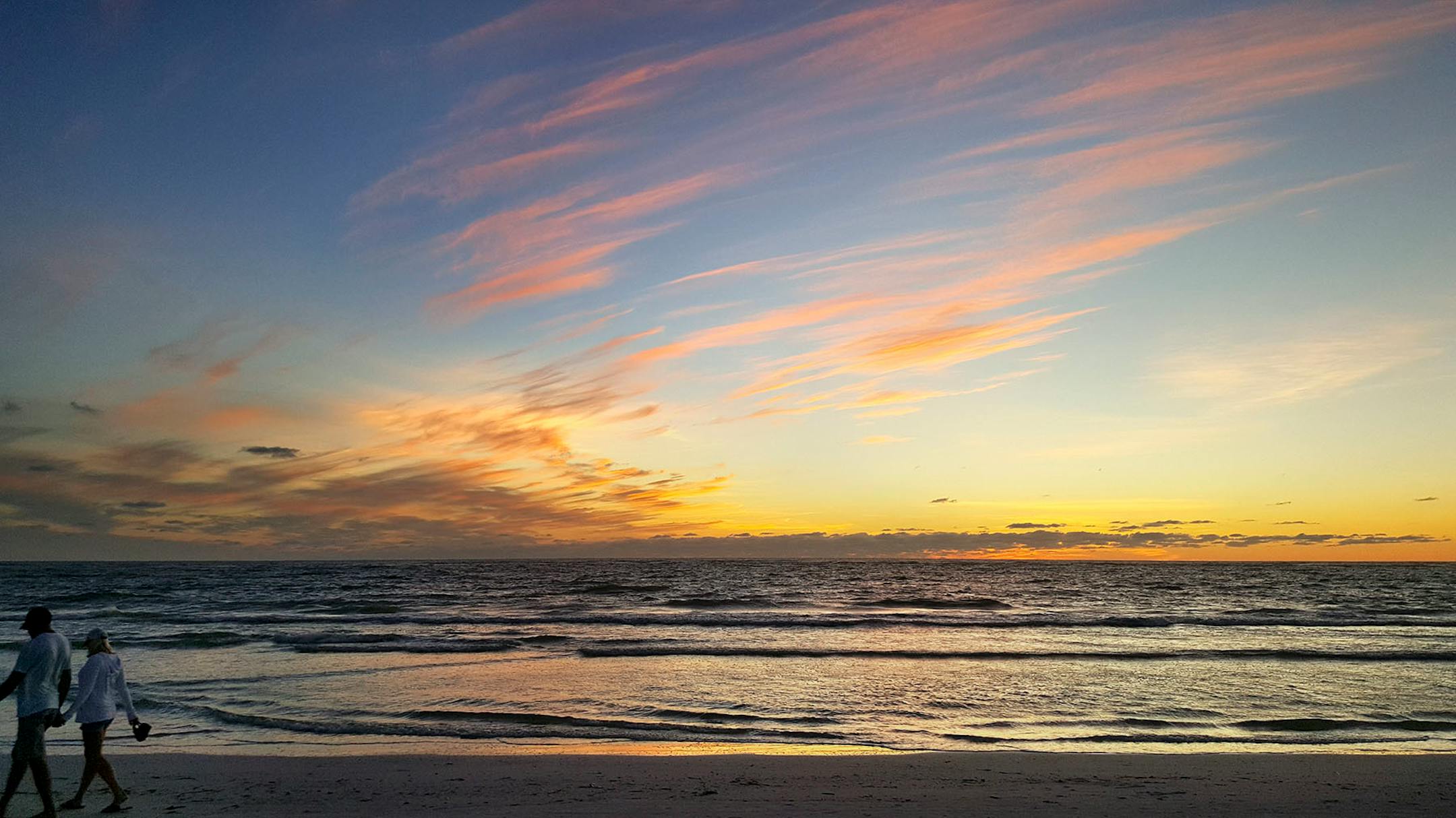
Several days — and many miles — later, I watched the sun set over the Gulf on a pristine white-sand beach, with no sign of destruction.
Six weeks after Hurricane Irma slammed into Florida's southern Gulf Coast, I ventured to check up on the area. Would it be all gloom and decimation, or was this favorite winter getaway for Minnesotans already back on its feet? A bit of both.
During my 200-mile, south-to-north exploration of the coast, conditions improved with each passing mile.
In Everglades City, on the southwest edge of Florida where Irma hit hardest, whole trailer parks were reduced to rubble by the Category 3 winds and epic floods. Mountains of appliances towered over shacks that had floated off their foundations. Closer to Fort Myers, there were no appliance graveyards, but fallen trees piled up on front lawns, still waiting to be hauled away. From Naples and Fort Myers on north — all the way to Anna Maria Island, near Tampa Bay — damage was nearly invisible.
If there was any bright side to Irma, it's that the hurricane churned up more of the great catches and unusual shells this region is known for.
"Fishing is unreal good," said Joe McNichols, my fishing charter operator. "It's a shame there are no customers."