Minnesota apple orchard owner shares the secret to Honeycrisps, how to be ‘wowed’ by fruit

Scott and Barb Wardell run Montgomery Orchard, about a 45-minute drive south of the Twin Cities, and are preparing for their busiest fall season.

For the Minnesota Star Tribune
August 18, 2025 at 11:01AM
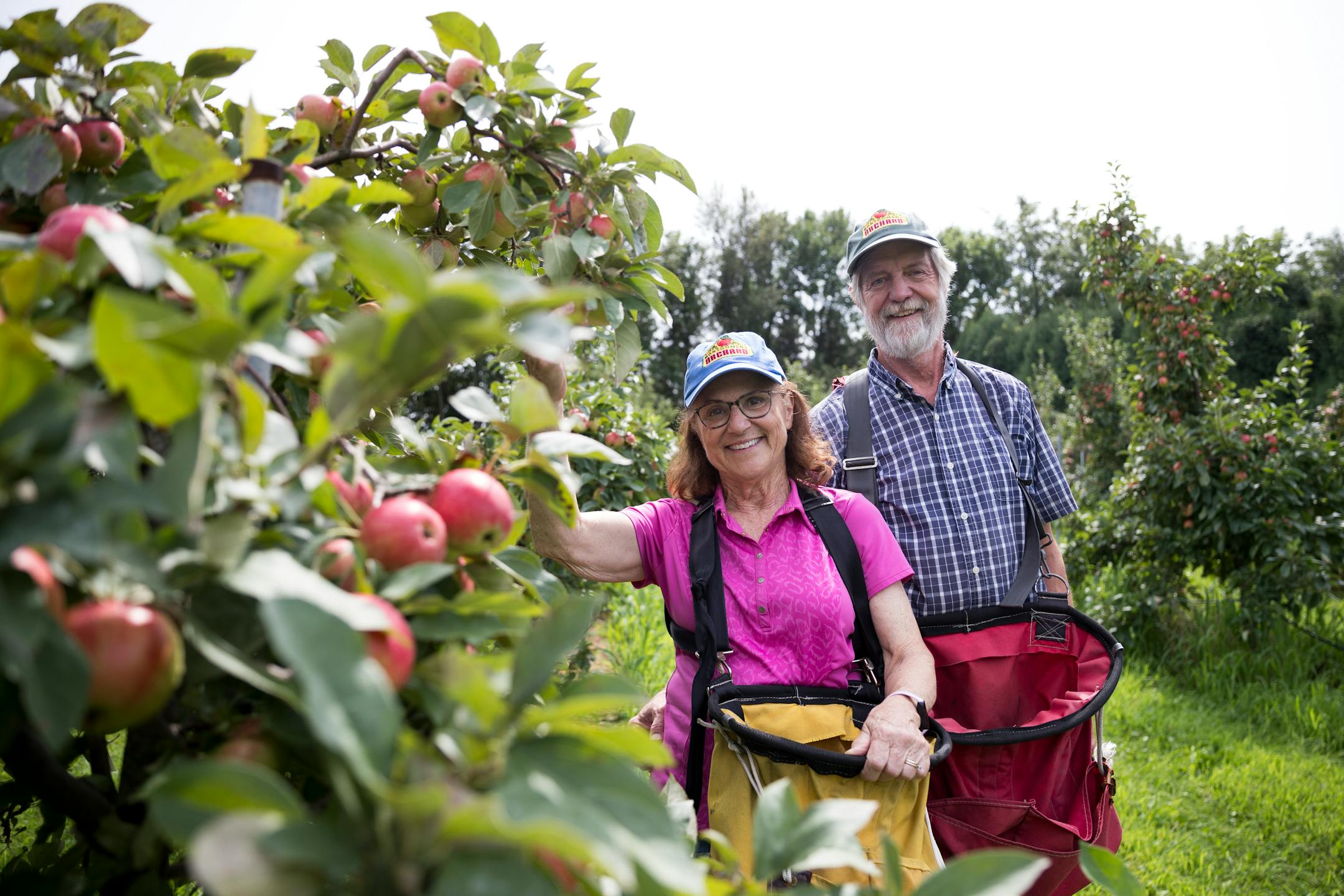
Barb and Scott Wardell at their Montgomery Orchard. (Rebecca Villagracia/The Minnesota Star Tribune)

In 1999, Scott Wardell launched his Johnny Appleseed-like mission by painstakingly planting 200 trees.

That tradition continued annually for a decade as he and his good-natured wife, Barb Wardell, turned an overgrown pasture in rural Minnesota into an impressive apple orchard.

Today, 69-year-old Scott Wardell’s Montgomery Orchard features 16 popular apple varieties on 12 acres. The bucolic setting is a roughly 45-minute drive south of the Twin Cities.

Whether seeking to sip cider or wine at the orchard’s Cider Haus, explore the Be-A-Mazed corn maze (this year’s cut: a hummingbird), pluck ripe apples or pears from the trees or snack on an Abdallah Candies caramel-coated apple in the market, customers flock to Montgomery Orchard.

In an interview edited for clarity and length, Wardell shares what it’s like to be in his shoes.
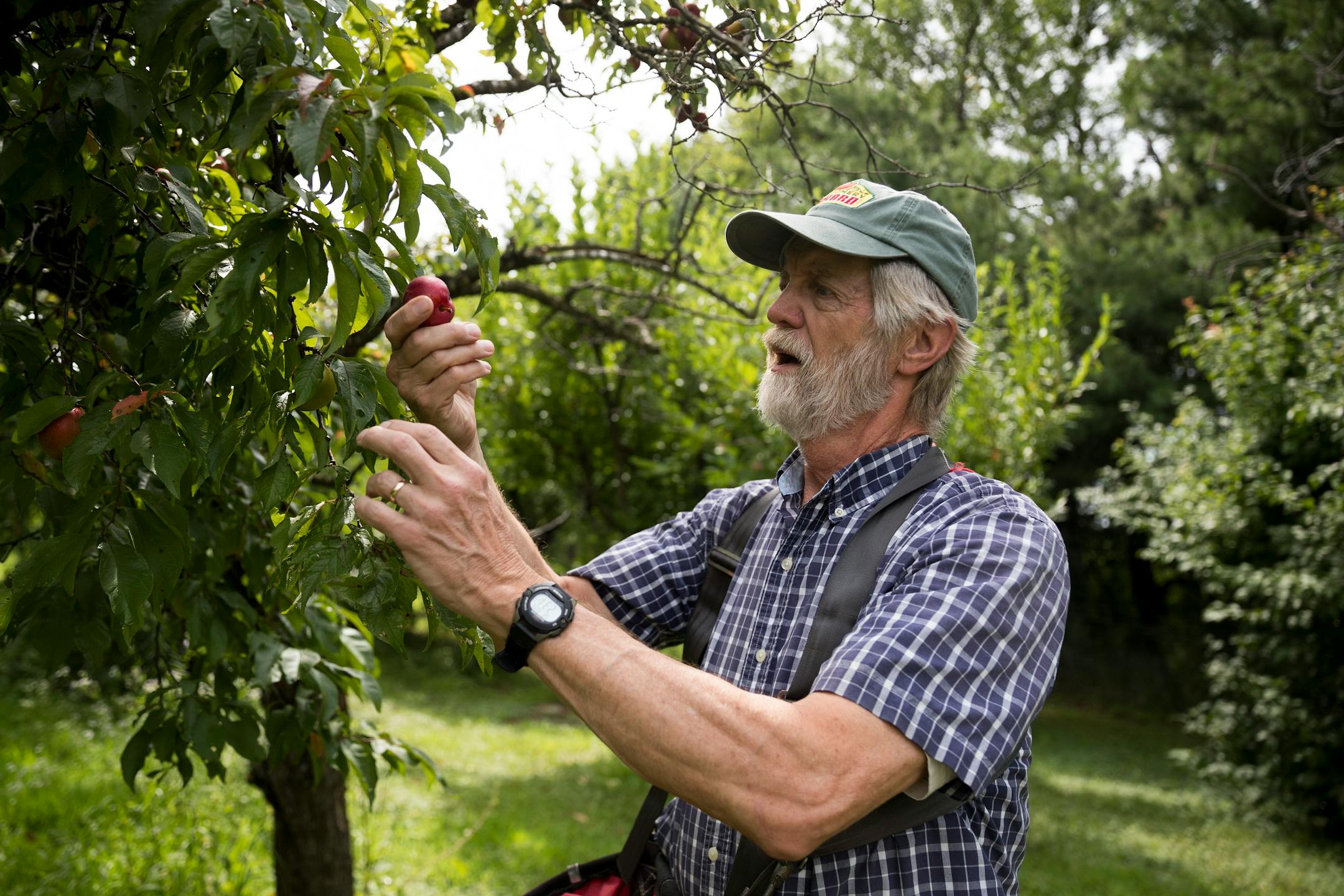
Scott Wardell holds a plum at the Montgomery Orchard. (Rebecca Villagracia/The Minnesota Star Tribune)

What whet your appetite for an orchard?

I’ve always had a love for the outdoors. I’m the fifth of six kids, and my dad planted six apple trees — one for each of us — in our suburban backyard. When Dad said, “We’re going to pick your tree this afternoon,” I always made sure to be there because it hit me: This was the fruit from my tree. I think of the Crosby, Stills, Nash & Young song, “teach your children well … feed them on your dreams; The one they pick is the one you’ll know by.” My dad shared all his dreams, and that’s the one that stuck with me. I loved spending time in nature with my dad.

Why Montgomery?

At the University of Minnesota, I’d majored in business and minored in speech and horticulture. During high school, I worked at Bachman’s [Floral, Home and Garden on Lyndale Avenue South]. Later, I operated a landscaping business for a couple of years, then a lawn fertilizer/spraying business for a while. I also worked two years for a wholesale nursery company before moving into financial planning, from which I retired three years ago.

In 1997, I had an itch to own some green space. My folks used to have a place about six miles from here, so we looked in the area. I asked Barb and our two kids if we should buy a lake place or a farm; They voted “lake place,” and I said, “Farm it is.” Barb’s the best sport on the planet.
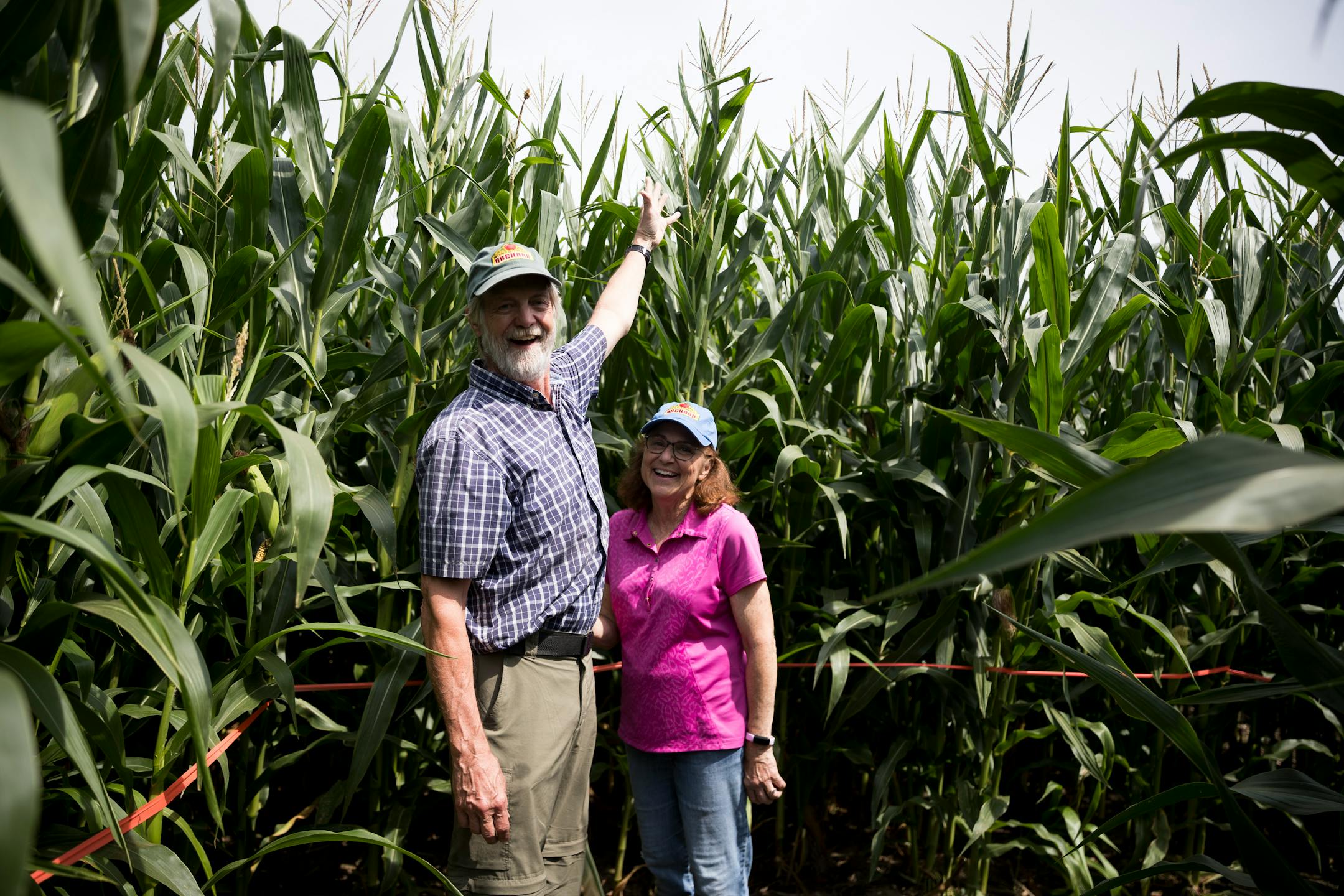
Scott and Barb Wardell pose for a portrait inside of their corn maze at the Montgomery Orchard. (Rebecca Villagracia/The Minnesota Star Tribune)

What’s your seasonal work plan?

We’re so busy in the winter. Every one of our 2,000 trees needs pruning — every one, every stinking year. Something we hear all the time is, “Your Honeycrisp apples are so good.” The secret is Honeycrisp needs enough light and ventilation in each tree, and trees can’t be overloaded with fruit. Pruning can’t be done with a hedge trimmer; I’m really old school on this. In fact, I teach a pruning class attended by other orchards’ staff. And you have to prune when trees are dormant, so we usually start trimming in January and finish around the second week of March.

In spring, we bring in the bees — I’ve got a great partnership with a beekeeper from Veseli — and the place is buzzing. It’s lovely, standing underneath the trees, listening to the hum of the honeybees. And after pruning all winter long, we have to clean up all the branches and sticks.

Summer reveals the irony of growing apples. After bringing in bees to pollinate, the trees can actually overproduce if there was spectacular weather during pollination. So we have to apply a fruiting hormone to release some of the apples to prevent overproduction. And there’s integrated pest management to control the pests. Plus we have to constantly monitor and inspect the trees for broken tops or a dash of mildew. Otherwise, you get ugly apples.

Oh, and there’s a tremendous amount of mowing to keep 12 acres neat. Barb is great at that.

Growing apples in Minnesota is a high-maintenance job. Plant a plum tree if you want something easy.

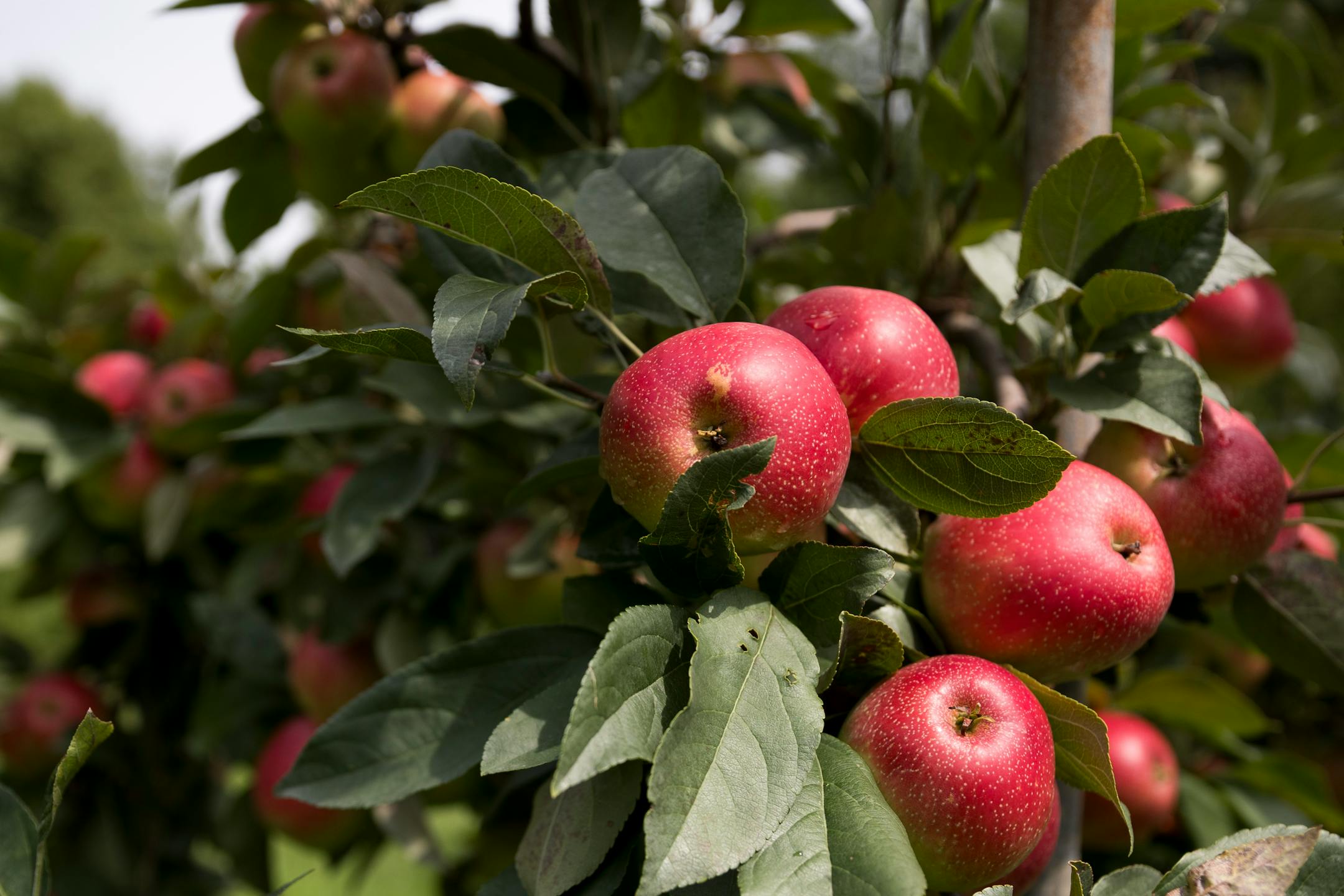
Apples sit upon their trees at the Montgomery Orchard. (Rebecca Villagracia/The Minnesota Star Tribune)

What equipment is involved?

We have a snowmobile, three tractors and an ATV to move small quantities of things. For pruning, we use bypass pruners, bypass lopping shears and hand-saws.

And in autumn, you pick and sell?

We start picking SweeTango apples around Aug. 20. Everybody wants First Kiss right away, but we’ve learned First Kiss goes from being a super good apple to a sensational one if you leave it on the tree two extra weeks. And I want people to come here and be wowed by our fruit, not say, “Oh, that’s good.”

From mid-August till the first of November — depending on when we get a hard frost — we pick like crazy. Help has never been harder to get than it is now.

Barb dips our caramel apples, and she’s fussy as all get-out, adding nuts and sprinkles.

What’s your personal favorite apple?

From a grower’s perspective, I like the flavor and darker red color of SweeTango. And SweeTango are harder than Honeycrisp, so they don’t bruise as easily.

All that work must result in great sleep?

Sleep? [Laughs.] We have so much to get ready for the fall opening that lists of tasks constantly run through our heads. November is when we sleep. If people had any idea what it takes to get a place like this ready for retail, pristine and beautiful, they’d never balk at prices charged. The amount of behind-the-scenes work is unbelievable.

Then why do it?

Barb and I absolutely love the outdoors, and we get to work together every day. I put that at the very top of the list. The joy of being outside, in the sunshine and fresh air with my wife. That’s why I do it.

Jane Turpin Moore is a writer based in Northfield. She can be reached at jturpinmoore@gmail.com.

In Their Shoes is an occasional series highlighting Minnesotans at work. If there’s a type of job you want us to profile — or if you have someone who would be a good candidate — email us at InTheirShoes@startribune.com.

about the writer

about the writer

Jane Turpin Moore

More from In Their Shoes

See More
card image
Carlos Gonzalez/The Minnesota Star Tribune

From past iterations of shopping carts to a salvaged Target Center “T,” these researchers can trace the Minneapolis-based retailer’s roots back to Dayton’s department store in the early 1900s.

card image
card image