

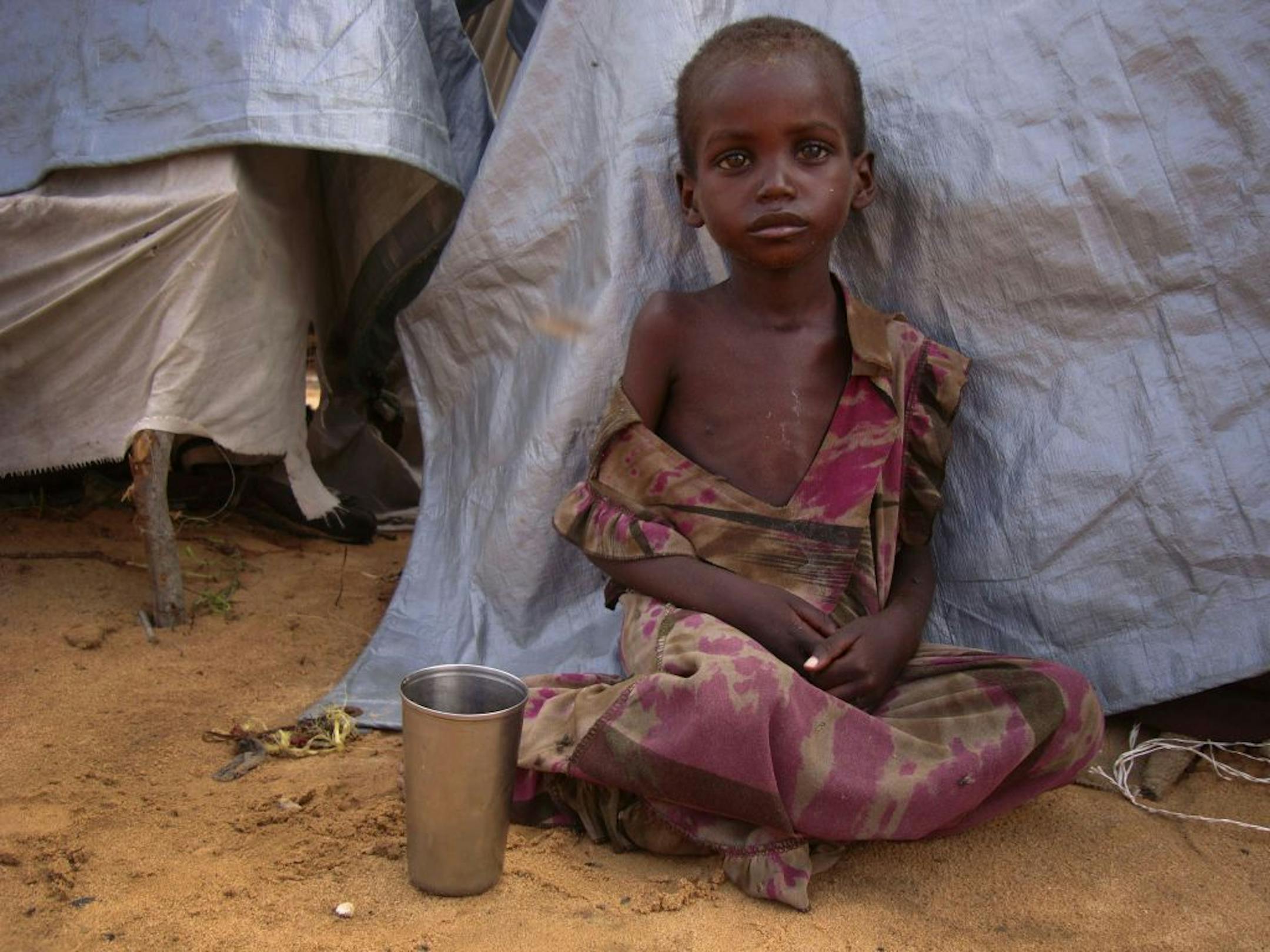
These days, there are worries within the Somali community in Minnesota, as well as in other states: How can people safely send money to loved ones in the Horn of Africa -- and, more specifically, in Somalia -- following the Twin Cities-based Sunrise Community Bank's decision to close the accounts of its Somali American Money Transfer Businesses?
This decision means that Somali-Americans cannot contribute to the fundamental support of their loved ones. There are no other ways to safely transfer money to Somalia, where there are no functioning banks.
One question is what the impact will be, in the short and the long terms, if Sunrise (the bank that handles a large amount of Somali money transfers from Minnesota) and other American banks won't work with the hawalas?
Another question is whether the hawalas will work with the U.S. government to find a solution.
Somalia's GDP is one of the lowest in the world; its economy is heavily dependent upon remittances from Somalis in the Western diaspora. Remittances have provided a safety net for Somali families subsisting within an anarchic and stateless land for the past 15 years.
Unemployment in Somalia remains systemically high, and many families survive on the money they get from remittances.
Literally millions of people will be at risk of slipping further into food insecurity -- already exacerbated by drought and famine. Does this decision actually condemn tens of thousands of Somalis within Somalia to death?
As we know, during 2011 a drought hit much of the Horn of Africa, including Djibouti, Ethiopia, Eritrea, Kenya and Somalia. However, Somalia was different from other countries in the Horn, because of persistent conflict and statelessness over two decades. In this case, the drought hit with a particularly overwhelming impact.
As a result, more than 150,000 Somalis are estimated to have died of malnutrition and related causes, and almost 3 million Somalis remain in urgent need of humanitarian aid.


