

Opinion editor’s note: Strib Voices publishes a mix of guest commentaries online and in print each day. To contribute, click here.
•••
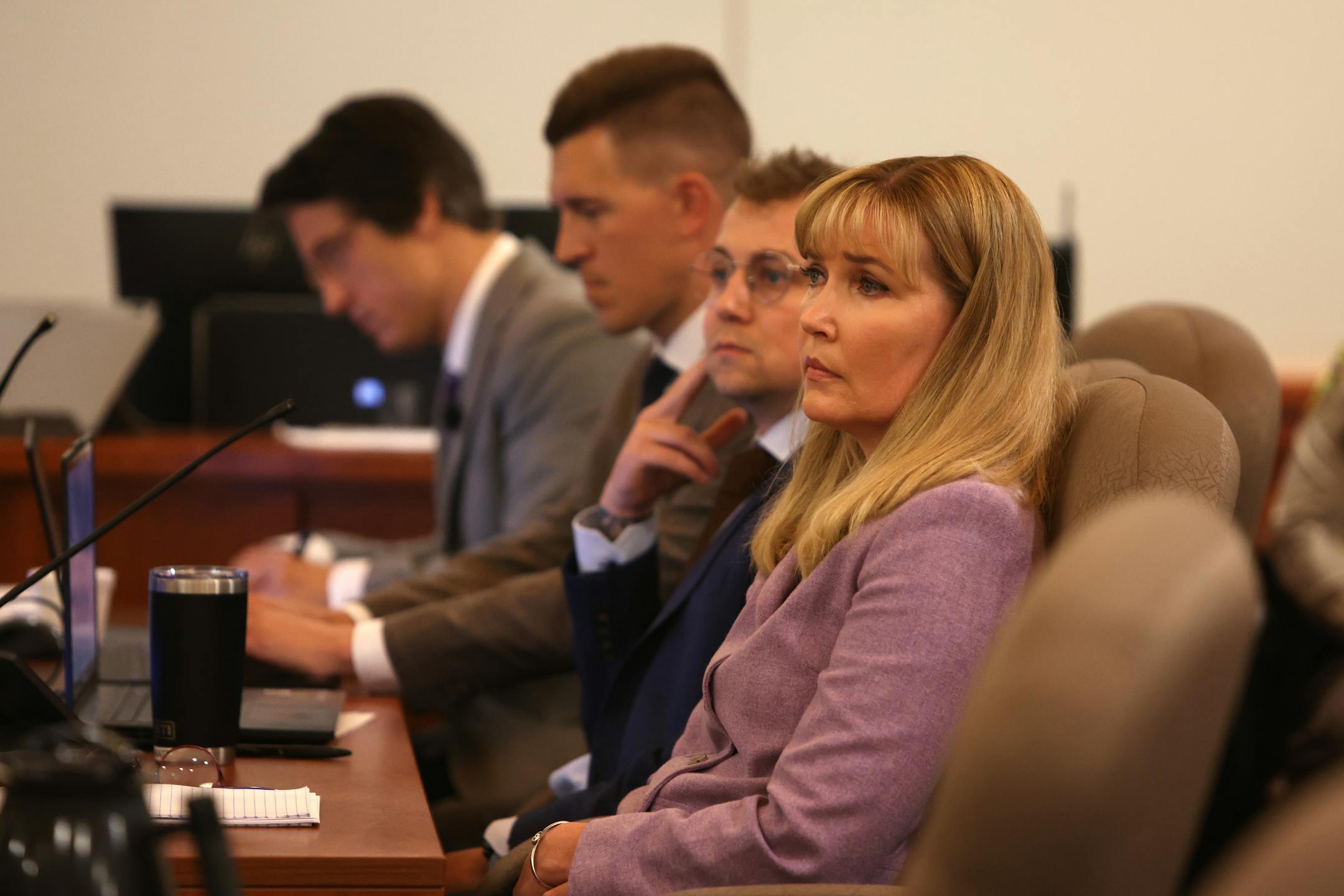
Coverage of the recent burglary trial and conviction of state Sen. Nicole Mitchell has rightly focused on the legal facts: her late-night entry into her stepmother’s home, her shifting explanations for doing so and the jury’s decision that she broke the law. But there’s another story running underneath: one about how the state gets pulled into complicated family dynamics and ends up taking sides.
I do not know Sen. Mitchell or her family. But as a family therapist who has worked for decades with stepfamilies, I can say this: What unfolded in her stepmother’s home is a recognizable family tragedy. When tenuous stepfamily bonds collapse after a biological parent dies, responsible adults can do things that hurt everyone involved.
Stepfamily relationships are inherently ambiguous. A stepparent is never a full parent whose role is clear to all. Even when the stepparent entered a child’s life early, as with Sen. Mitchell’s family, the bond may not become secure, especially later during adolescence and adulthood. And other adults in the system, including a divorced parent, sometimes undermine the stepparent-stepchild relationship.
Add grief to the mix and unresolved tensions come to the surface. Adult stepchildren might feel left out of end-of-life and funeral decisions. Stepparents might feel that the adult stepchildren are undermining and intrusive. They all may compete (consciously or not) over who is grieving more or who gets to define the parent’s legacy. If the surviving stepparent is overwhelmed, or in this case cognitively impaired, their own biological children may come to their defense against the stepsiblings. In the absence of the deceased’s buffering presence, these new conflicts don’t get resolved.
The upshot is that items that would seem trivial to outsiders — a cooking pan, an old shirt — become loaded with the symbolic value, like religious relics. Not to mention the division of financial resources when the biological children had been counting on an inheritance.
Most stepfamilies do find a way through this relational minefield. But some grieving family members call in a posse of lawyers or take matters into their own hands. That’s what makes this case of Nicole Mitchell and her family so tragic — unilateral action to solve a problem and fulfill a wrenching personal need. Once the state, via law enforcement and the courts, becomes triangled into a family conflict, there’s no room for nuance and understanding. A jury decides on the facts, a family member is punished. And a complex family story is flattened into a criminal case.


