

Opinion editor’s note: Strib Voices publishes a mix of guest commentaries online and in print each day. To contribute, click here.
•••
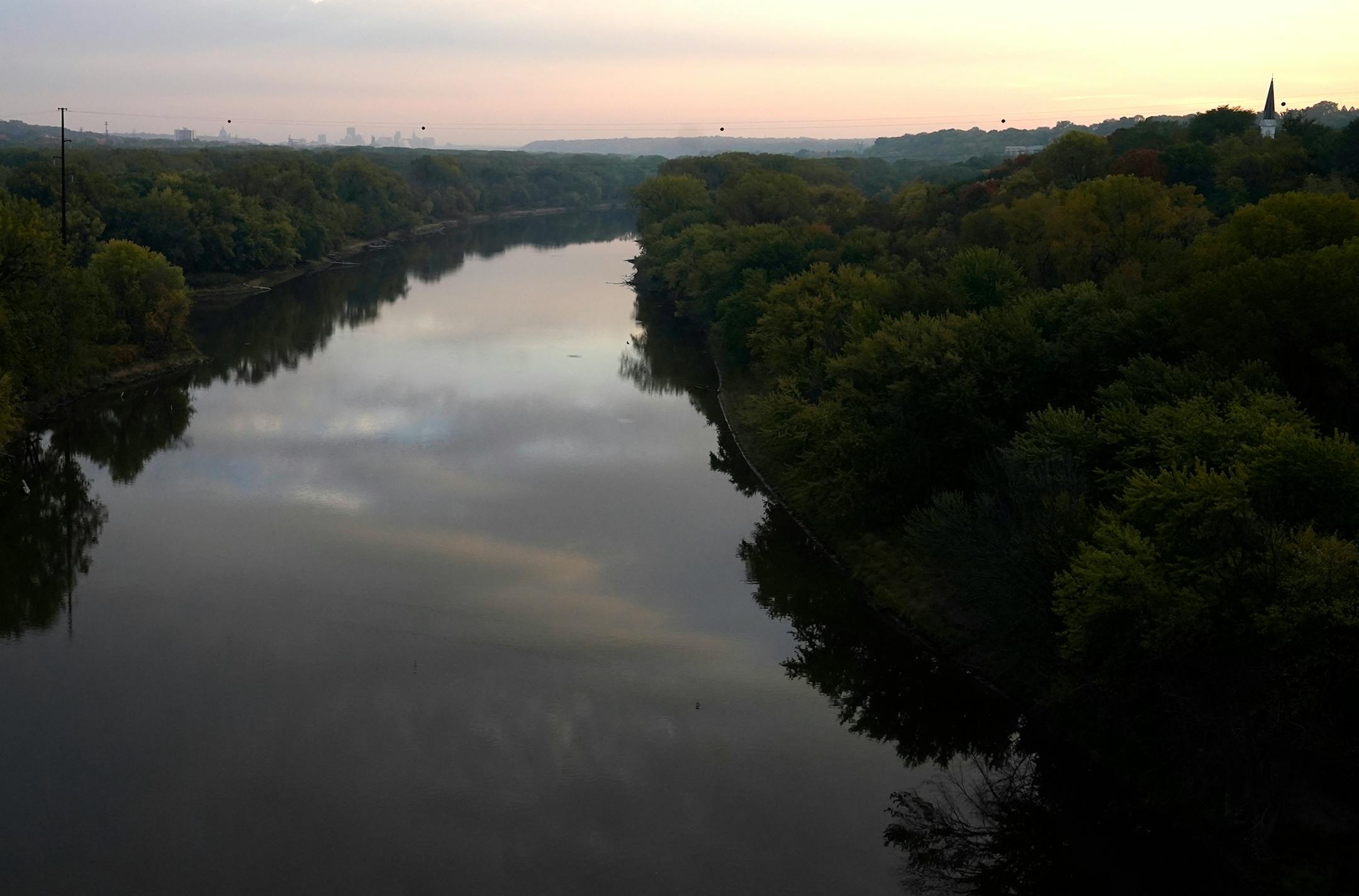
When my team began researching the Minnesota River in 2007, I expected to confirm the familiar story told in many agricultural regions: that sediment pollution was coming mainly from eroding farm fields. What we found instead was surprising. Most of the sediment in the Minnesota River originates from the erosion of tall banks and bluffs, landforms shaped by the river’s unusual geologic history. And in recent decades, erosion of those banks and bluffs has accelerated dramatically.
The reason for the accelerated bank and bluff erosion wasn’t a mystery. Increased water flow, driven in large part by widespread agricultural drainage, has pushed far more water into the river, far faster than the landscape can handle. We published those findings in 2011 and convened a broad group of stakeholders — farmers, local and state agencies, nonprofit organizations, researchers and landowners — to determine the most practical way to improve the river’s health. The consensus was remarkably clear and cost-effective: Slow the flow of water reaching the river. By reducing peak flows, we can significantly reduce the bank and bluff erosion that drives so much of the sediment problem.
But as with so many issues facing our country, even straightforward solutions with broad agreement seem increasingly difficult to implement. And the result is predictable: wasted time, wasted money and continued poor water quality.
That’s why I was disheartened to see the Minnesota Pollution Control Agency — the agency responsible for protecting Minnesota’s water — decline to act on a recent petition to regulate agricultural drainage. The petition proposed a general permit system for public drainage systems, large networks of ditches and subsurface drain tile that drain the vast majority of agricultural land throughout the state.
The MPCA offered three reasons for denying the petition: It hasn’t required such permits before; the Legislature hasn’t explicitly directed it to do so, and funding is tight. These explanations may be technically correct, but they fall short of what Minnesotans expect from an agency charged with safeguarding the public’s waters. The Minnesota Water Pollution Control Act already gives the MPCA the authority and direction needed to initiate a pragmatic, preventive approach in one of Minnesota’s most impaired river basins.
Drainage systems have fundamentally altered the state’s hydrology. By bypassing wetlands and soils that once slowed and filtered water, drainage systems send runoff surging downstream. Those amplified flows scour stream banks and bluffs, choke river channels and Lake Pepin with sediment, and carry excess nitrogen and phosphorus into Minnesota’s waterways. The impacts have been adding up for decades. Artificially high flows contributed to the Rapidan Dam failure and threaten roads, bridges and communities across the basin.


