
Opinion | The people behind your health care are often immigrants

Without them, Minnesota’s hospital staffing shortages would be far worse.

December 1, 2025 at 11:00AM
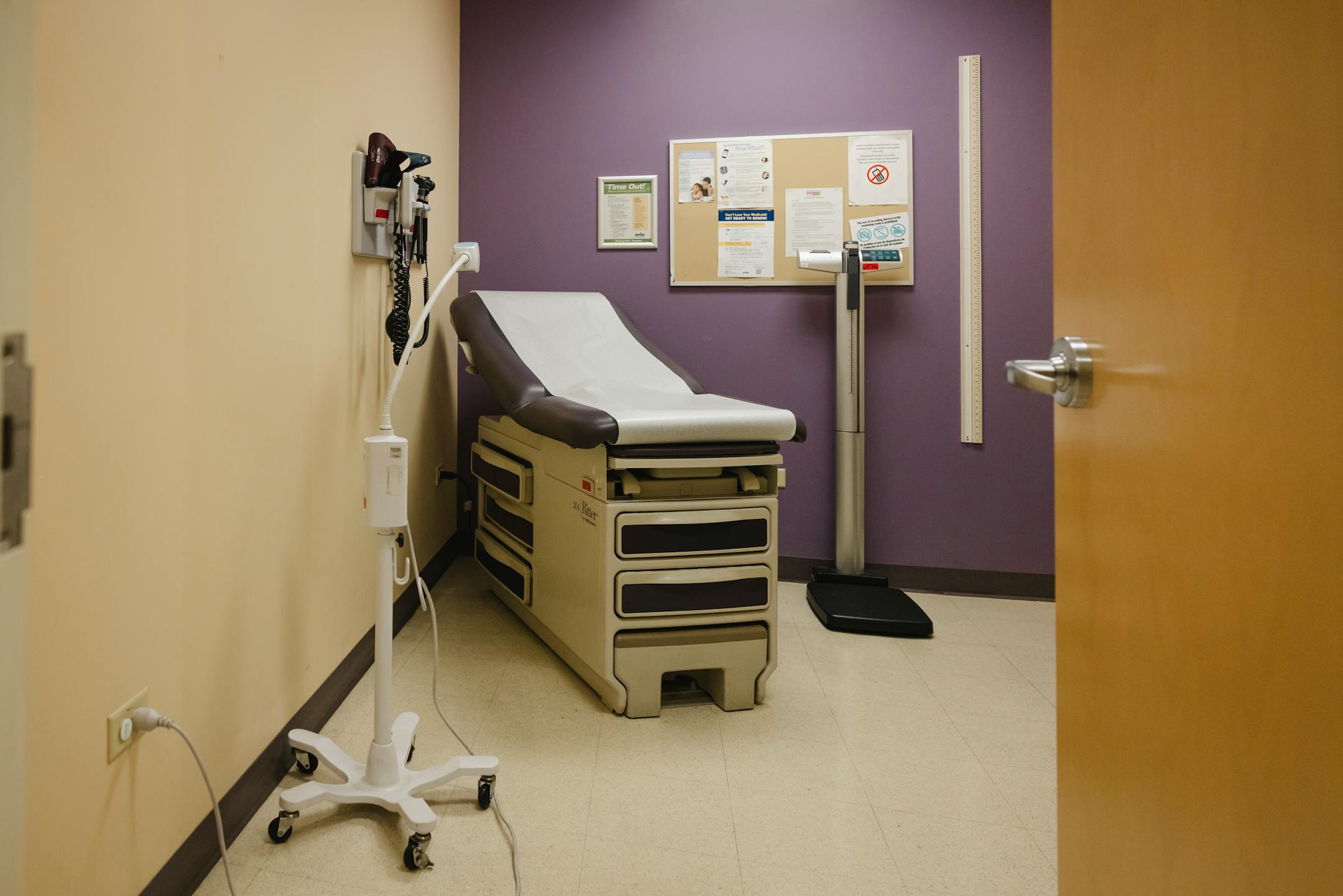
"Immigrants made up 8.5% of hospital workers in 2006 and nearly 14% by 2017, and over the past decade their share has generally stayed between 8% and 12% — a steady presence that has helped keep the system from buckling," the writers say. (TAYLOR GLASCOCK/The New York Times)

Opinion editor’s note: Strib Voices publishes a mix of guest commentaries online and in print each day. To contribute, click here.

•••

This time of year, Minnesotans are juggling a lot at once: holiday gatherings, slick roads, school concerts and decisions about health coverage for the year ahead. As enrollment deadlines approach, most of us focus on premiums, deductibles and networks.

But there’s a more basic question hiding underneath all that paperwork: Who will care for us when we get sick?

And more often than we realize, the ones providing that care are immigrants.

Minnesota is not usually described as a “high immigration” state; only about 8½-9% of residents are foreign-born, compared with 14% nationwide. Yet immigrants make up roughly 11% of our workforce, and they are disproportionately essential in health care.

Minnesota’s own workforce data show the same pattern. According to our analysis of American Community Survey Microdata Sample from 2006 to 2023, Minnesota hospitals employed between about 6,000 and 23,000 foreign-born workers a year, with a pre-pandemic peak of 22,900 in 2017. Even in the pandemic’s most disruptive year, 2020, more than 11,000 immigrant workers kept Minnesota hospitals running, the numbers rebounding to 19,100 in 2021 and 18,800 in 2022.

Immigrants made up 8.5% of hospital workers in 2006 and nearly 14% by 2017, and over the past decade their share has generally stayed between 8% and 12% — a steady presence that has helped keep the system from buckling.

And the strain is real. An August 2024 report from the Minnesota Department of Health found that the state faces one of the worst long-term-care staffing shortages in the nation. Nursing and residential care facilities have lost about 9% of their workforce since early 2020. Meanwhile, the Minnesota Chamber of Commerce estimates that 94% of the state’s net population growth since 2020 comes from immigration.

Put plainly: Without immigrants, Minnesota’s health care staffing shortages would be far worse.

We feel this most acutely right now. December and January are among the busiest months for hospitals and clinics. Flu, RSV, pneumonia and seasonal respiratory illnesses spike. Winter injuries rise. Nursing homes struggle to cover all shifts. Home health agencies race to keep older Minnesotans safe during stretches of dangerous cold.

Walk into a busy ER in Minneapolis or Duluth, or a nursing home in St. Cloud, Rochester or Worthington, and you will see immigrant workers everywhere: nurses, home health aides, respiratory therapists, lab techs, environmental services staff. They are the ones managing ventilators during respiratory spikes, comforting anxious family members, ensuring medications are delivered on time and keeping facilities open during staff shortages.

Yet when we sit at our kitchen tables comparing premiums and copays, it’s easy to assume that if we need care, a provider will simply be there on the other side of the exam-room door.

But an insurance card is only as valuable as the workforce behind it.

Every plan, whether through an employer, MNsure or the individual market, assumes Minnesota has enough doctors and nurses to staff the system safely. It also assumes there are enough NPs, PAs and direct-care workers to support older adults and people with disabilities. State agencies and business groups are warning us that this assumption is slipping. And the numbers make it plain that immigrant workers are one of the main reasons Minnesota’s health care system remains viable.

This reality should shape our policy debates. Too often, discussions about immigration revolve around border images and slogans. Rarely do they acknowledge that the people being talked about in abstract terms are the very people caring for our aging parents, treating our children’s injuries and providing stability in clinics and hospitals across the state.

Minnesotans pride themselves on fairness, pragmatism and looking out for one another. Those values are on display every day in our health care system, often through the work of foreign-born clinicians and caregivers who have made Minnesota their home. They are checking on patients at 3 a.m. They are explaining treatment plans in multiple languages. They are doing physically demanding, emotionally taxing work that many others are leaving.

As we celebrate the holidays, choose our health plans and step into a new year, we should acknowledge a simple truth: Immigrant workers are central to the care Minnesotans receive. If we want timely, safe, compassionate care; if we want hospitals that can staff beds, clinics that can see patients and long-term-care facilities that can stay open, then we must recognize, support and retain the immigrant workers who make that possible.

They are not just part of our workforce.

They are essential to our health.

Bedassa Tadesse is a professor of economics at the University of Minnesota Duluth. Iftu Dorose is a family nurse practitioner at People’s Center Clinics & Services in Minneapolis.

about the writer

about the writer

Bedassa Tadesse and Iftu Dorose

More from Commentaries

See More
card image
Evan Vucci/The Associated Press

The first rule about dark money is to quit blabbing about it.

card image