

Opinion editor’s note: Strib Voices publishes a mix of guest commentaries online and in print each day. To contribute, click here.
•••
The authors of the Oct. 24 commentary “Minnesota should reject burning trees and trash for electricity” suggest the current direction of climate action coming out of Washington, D.C., is playing out in Minnesota’s Public Utilities Commission (PUC) as it works to implement the state’s carbon-free standard for electricity. But that is far from the truth.
Minnesota is one of the few states making significant progress on reducing greenhouse gas emissions, and it’s because we set ambitious goals and implement them in ways that work for our state.
State Sen. Nick Frentz, chair of the Energy, Utilities, Environment, and Climate Committee and chief author of the Minnesota law calling for 100% Clean Energy by 2040, said as much in his letter to the PUC: “To successfully pass this law, we brought together utilities, labor groups and environmental advocates who all understand the need for our state to take this transformative step in a way that will actually work for our state’s future. The inclusion of biomass, including waste-to-energy, as an eligible energy technology … was a deliberate choice. … The goal of the 100% Clean Energy law is to move us forward in our fight to mitigate the worst costs of climate change. It’s better for our climate goals to allow waste-to-energy, because the landfill alternative is worse — both from a ratepayer cost standpoint and a carbon emission reduction standpoint.”
If we take a broader view of climate risks beyond just carbon dioxide, the amount of methane reduced by keeping waste out of landfills is significant compared with the amount of carbon created by waste-to-energy facilities. Methane is 28 times more potent in damaging our climate than is carbon dioxide.
We agree with the opinion piece’s authors that state action on clean energy must stay grounded in reality. Recovering energy from wood waste and trash is not about producing electricity, it’s about solving a waste problem responsibly.
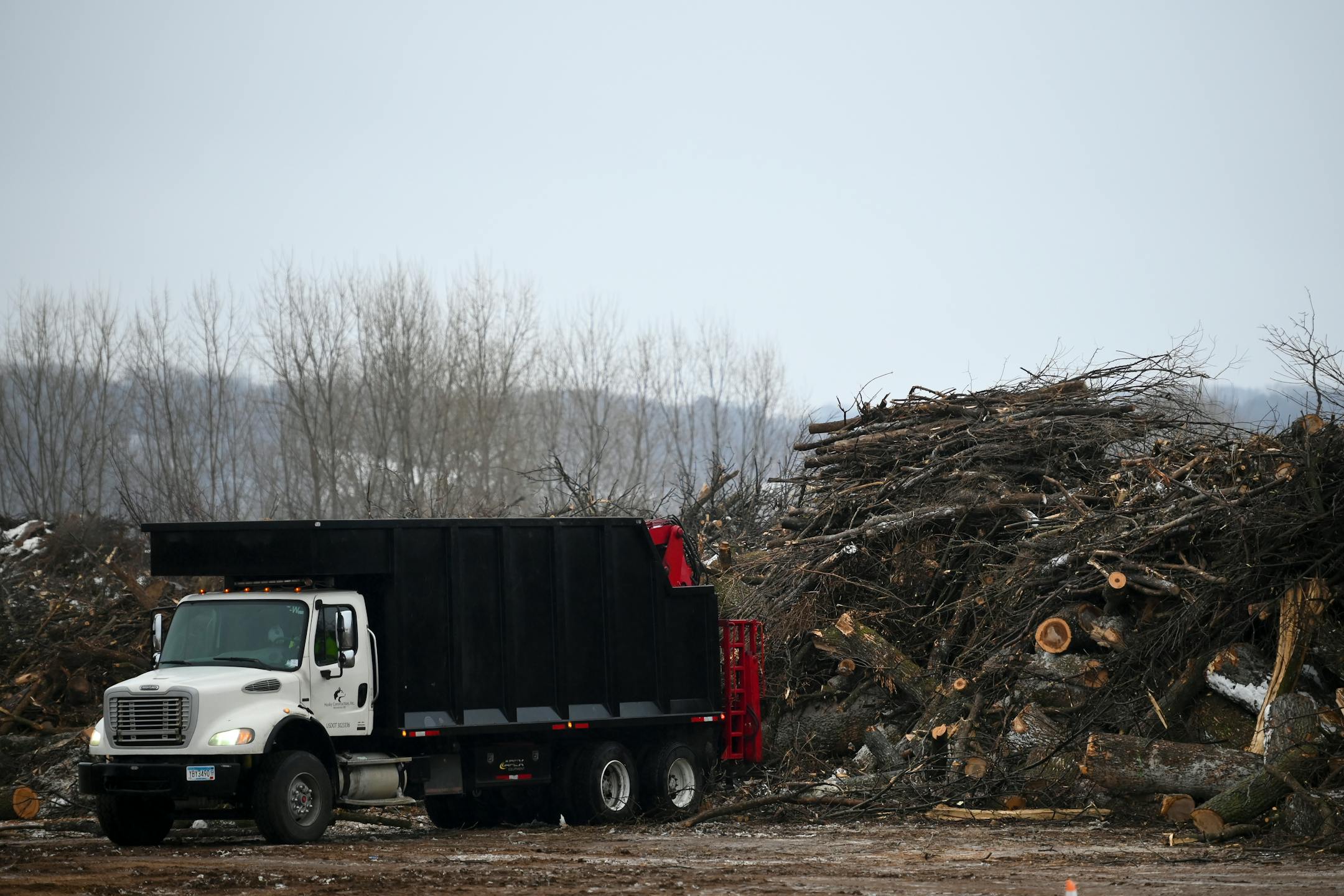
Wood waste is not just “a temporary challenge in the metro area.” The emerald ash borer has spread across the state to infest 59 out of 87 counties so far. For some communities, the only option to address the excess wood waste is open burning, a solution with far more detrimental climate and environmental impacts. From severe weather to the next invasive pest, our communities will be dealing with wood waste challenges for the foreseeable future.


