
Gov. Walz: We take fraud seriously. Here’s what we’re doing to stop it.

We have replaced key leaders and people have gone to jail, but there’s still more to do.

December 12, 2025 at 8:13PM
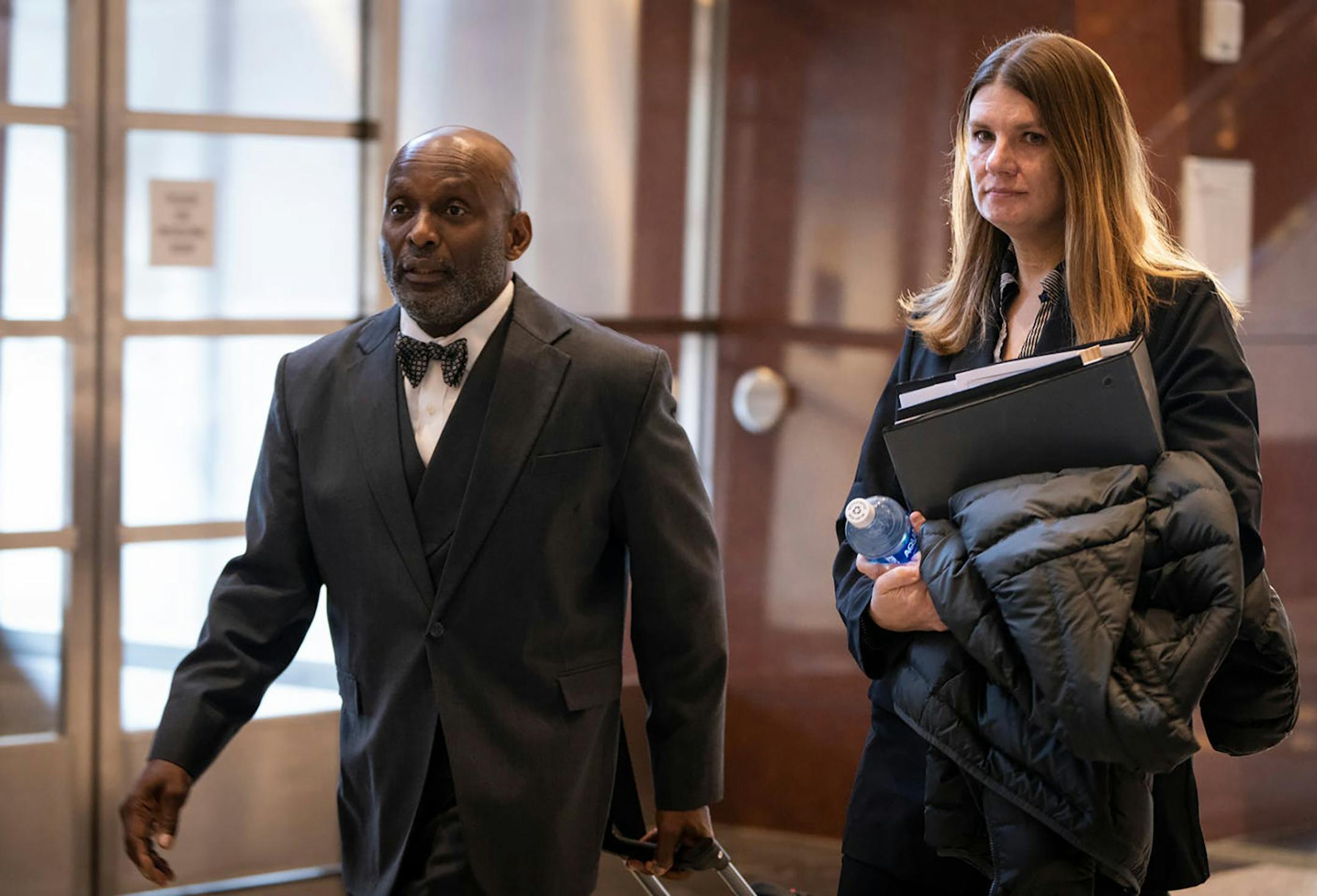
Feeding Our Future founder Aimee Bock, right, walks into federal court with her attorney, Kenneth Udoibok, on Feb. 10. (Leila Navidi)

Opinion editor’s note: Strib Voices publishes a mix of guest commentaries online and in print each day. To contribute, click here.

•••

Minnesota is a great place to live. We rank among the top states for quality of life, affordability, safety, retirement-friendliness and job opportunity. We are not a state that chooses to let people go hungry.

But we cannot effectively deliver programs and services if they don’t have the backing of the public’s trust. And our state’s generosity has been taken advantage of by an organized group of fraudsters who’ve put their greed and self-dealing above the needs of children, seniors and people with disabilities.

Those bad actors and criminals have required us to reframe our mindset. We have turned the dial from prioritizing generous services toward greater skepticism. Any amount of fraud is too much and undermines the very programs that do so much to raise our quality of life.

Over the last three years we have made systematic changes to state government. Detecting fraud is resource intensive and time consuming — especially when it comes to the federal Medicaid programs that have a complex interplay between private insurance companies and federal, state and county governments. Is it impossible? No. We have made significant progress. We have much more to do.

And it’s my responsibility to fix it. We have replaced key leaders. People have gone to jail. This week we announced that Tim O’Malley has joined our effort as head of program integrity across state government. As a judge, former superintendent of the Minnesota Bureau of Criminal Apprehension, former FBI agent and reformer in the archdiocese where he led nationally recognized work in child protection and clergy accountability, O’Malley will work across state government to root out fraud and protect taxpayer dollars.

We have created additional checks and balances. We have hired investigators, auditors and law enforcement. We have brought in an outside firm to audit payments to high-risk programs at the Department of Human Services and created a specialized fraud-fighting law enforcement unit at the Bureau of Criminal Apprehension. All to fight off a group of highly determined, sophisticated fraudsters.

When the pandemic hit in 2020, states received an unprecedented surge in federal funding to shield the economy and support a reeling population. To suggest disingenuously that anyone at the time said we should do differently — when there were hungry people at the gates — flies in the face of the facts.

When the Department of Education noticed suspicious activity, it brought the fraudsters to court and lost. When they brought their concerns to the Trump administration, they were rebuffed. We were not alone in facing this issue. Other states faced billions of dollars in COVID-era fraud.

When Congress built those pandemic programs, and President Donald Trump signed them into law, they intentionally made getting help to people rapidly a priority. The unintended result was to weaken the guardrails and make the programs an open door to fraud. Acknowledging that the goal was to get money out the door as fast as possible, the normal hurdles to securing funding were barely a doorstep. I say that not to place blame. That was reality. It was a perfect storm for fraud to occur.

But we have learned from this — as we would hope any administration would. And it does not need to be a partisan issue. But anyone can call fire. I hope to see those calls from my Republican colleagues paired with serious, thoughtful ideas to aid our efforts in putting it out. If there were a silver bullet to solve this issue, we wouldn’t be seeing similar issues in these federal Medicaid programs in red and blue states across the country — including multi-million-dollar Medicaid fraud schemes in Ohio, Arizona, Nebraska, Texas and Pennsylvania.

We welcome ideas from anyone — Democrat or Republican — to continue to stay ahead of the criminals. Because as long as there are programs aimed at helping people, there will be fraudulent actors looking to steal from those who need help the most. Our job is to stay one step ahead of them. What is not helpful is the president of the United States demonizing an entire community or pardoning someone single-handedly responsible for $1.6 billion in fraud.

The buck stops with me, and my focus now is on ensuring that not a single dollar falls into the wrong hands. That’s why we’ve put locks on the doors — why we’ve installed new leadership at DHS with a single-minded focus on stopping fraudulent payments. Many of the changes have not been flashy or headline-grabbing, but rather just the hard work of building stronger safeguards throughout state government. Year after year, we’ve brought new ideas to the Legislature to stay ahead of the fraudsters’ evolving tactics. We’ve sought a top-to-bottom change in state government to create stronger oversight, leverage outside experts, modernize technology and hold criminals accountable.

Minnesota’s long-standing culture of good governance and high standards for the integrity of public funds go hand-in-hand with our culture of generosity. You cannot have one without the other. As we continue to root out fraud and hold those responsible to account, you will continue to see fraud in the news. My hope is that each of those stories moving forward is about a successful investigation that ends in a fraudster sentenced to prison. My message is clear: If you threaten everything that makes our state a great place to live by committing fraud in Minnesota, you will be caught and prosecuted to the fullest extent of the law.

Tim Walz is governor of Minnesota.

about the writer

about the writer

Tim Walz

More from Commentaries

See More
card image
Leila Navidi

We have replaced key leaders and people have gone to jail, but there’s still more to do.

card image
card image