Opinion editor’s note: Strib Voices publishes a mix of material from eight contributing columnists, along with other commentary online and in print each day. To contribute, click here.
•••
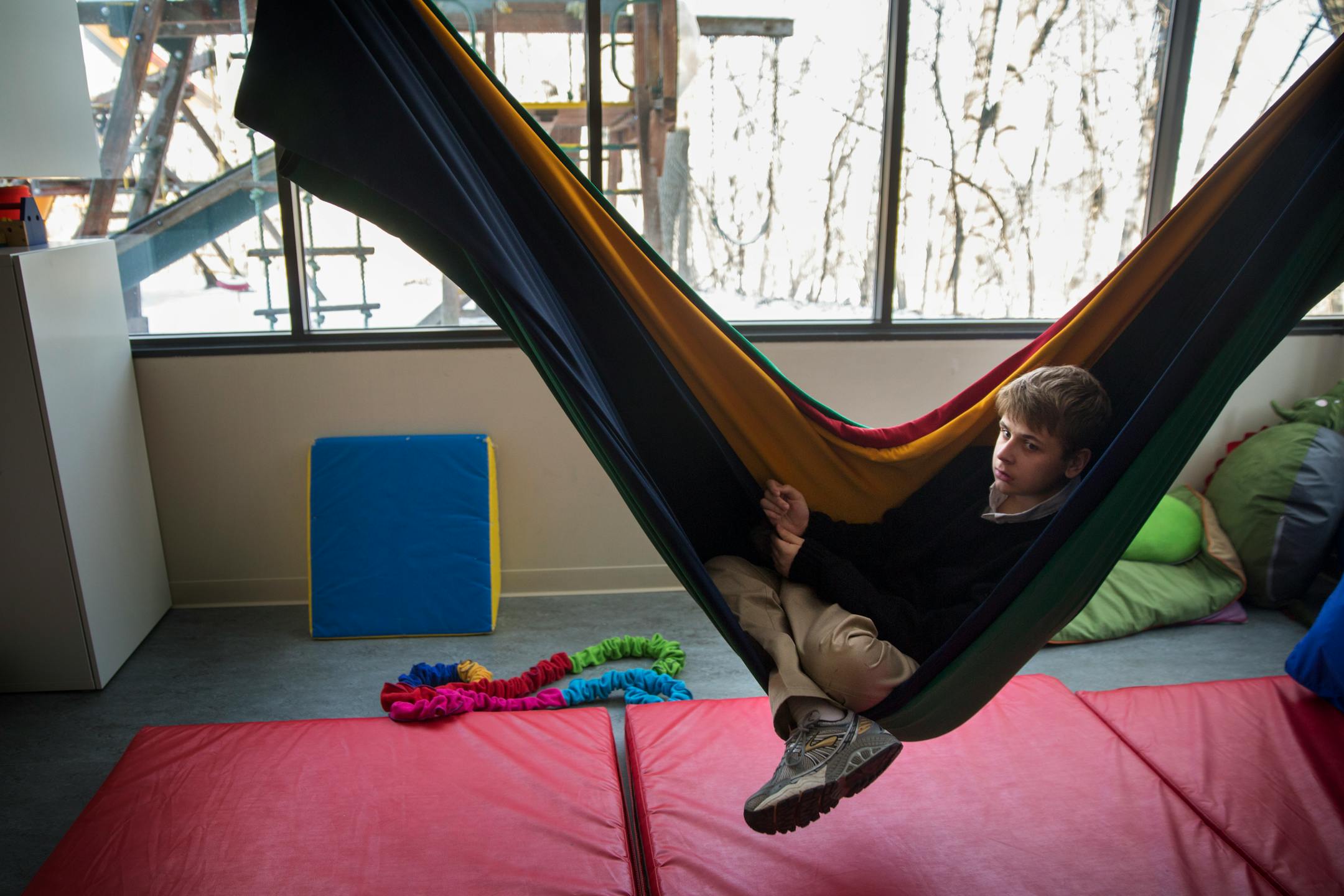
In 2004, Jennifer Larson decided to open an autism center in Excelsior. She’s the mom of a nonspeaking son (now 25) with autism, saw a need for more services and got to work. In the past decade, her organization, the Holland Center, has expanded to include multiple pediatric locations, an adult program, speech and occupation therapy, and as of early December, a new location in Mankato. “Twenty years of audits, crossing T’s and dotting I’s, it’s a tough business to run,” she told me.
On the last Monday in December, as Minnesota’s new anti-fraud prepayment screening system for certain Medicaid programs went into effect, the Holland Center expected to receive about $212,000 in payments from the state for the claims submitted over the past two weeks, but instead received only about $22,000. If something doesn’t change soon, they’ll have to shut down, she said. And if they shut down, they won’t be able to reopen.
It could be up to 90 days before it gets paid. The business just doesn’t have the capital to operate without revenue for that long, Larson said. “Who’s going to lose are all the kids with autism. Where are they going to go? All the staff are going to lose their jobs.”
She added that maybe some of the private equity firms moving into disability services might be able to handle the cashflow disaster, but “I’m a mom who started a center for our kid. It was a labor of love. If I didn’t lose money, I was happy.”
Now — thanks to the fraud, but also thanks to what she calls a “knee-jerk reaction” from the Walz administration — it could all fall apart.
As we head into the 2026 election year in the state of Minnesota, it’s clear that human services fraud is going to be one of the central issues in our politics. That’s fair enough. An opposition party should attack incumbents over failures that occur on their watch, and incumbents should try and convince voters that they have fixed any serious problems. At the same time, in addressing the problem, I wish Minnesotans could focus on the people who work in these fields and the people receiving the services, and to put them first over partisan fights. Somehow, the people inside these systems keep being overlooked.