

Opinion editor’s note: Strib Voices publishes a mix of guest commentaries online and in print each day. To contribute, click here.
•••
Annette Meeks (“Minnesotans cannot afford more years of Walz energy policy,” Strib Voices, Oct. 9) is right about one thing regarding the energy policy of Gov. Tim Walz: “[O]ur state deserves an affordable and more secure energy future.” Unfortunately, she and the Freedom Foundation of Minnesota miss the mark on how to get there.
First, affordability: For 10 years running, renewables have been the cheapest form of new electricity generation. Recent analysis from investment bank Lazard found that the levelized cost of energy utility-scale solar is in the ballpark of $38-$78 per megawatt-hour. For wind, it’s about $37-$86. If it’s a race between clean power and coal, coal is losing badly with its $71-$173 per megawatt-hour price tag.
Those economics are inconvenient for the coal companies and their favorite politicians. The Trump administration has recently interfered in the “free” energy market with $625 million in funding for coal infrastructure. President Donald Trump also issued an unnecessary order to prolong the operations of a Michigan coal plant that utility operators had moved to shut down. Ratepayers and taxpayers are on the hook for this polluting boondoggle.
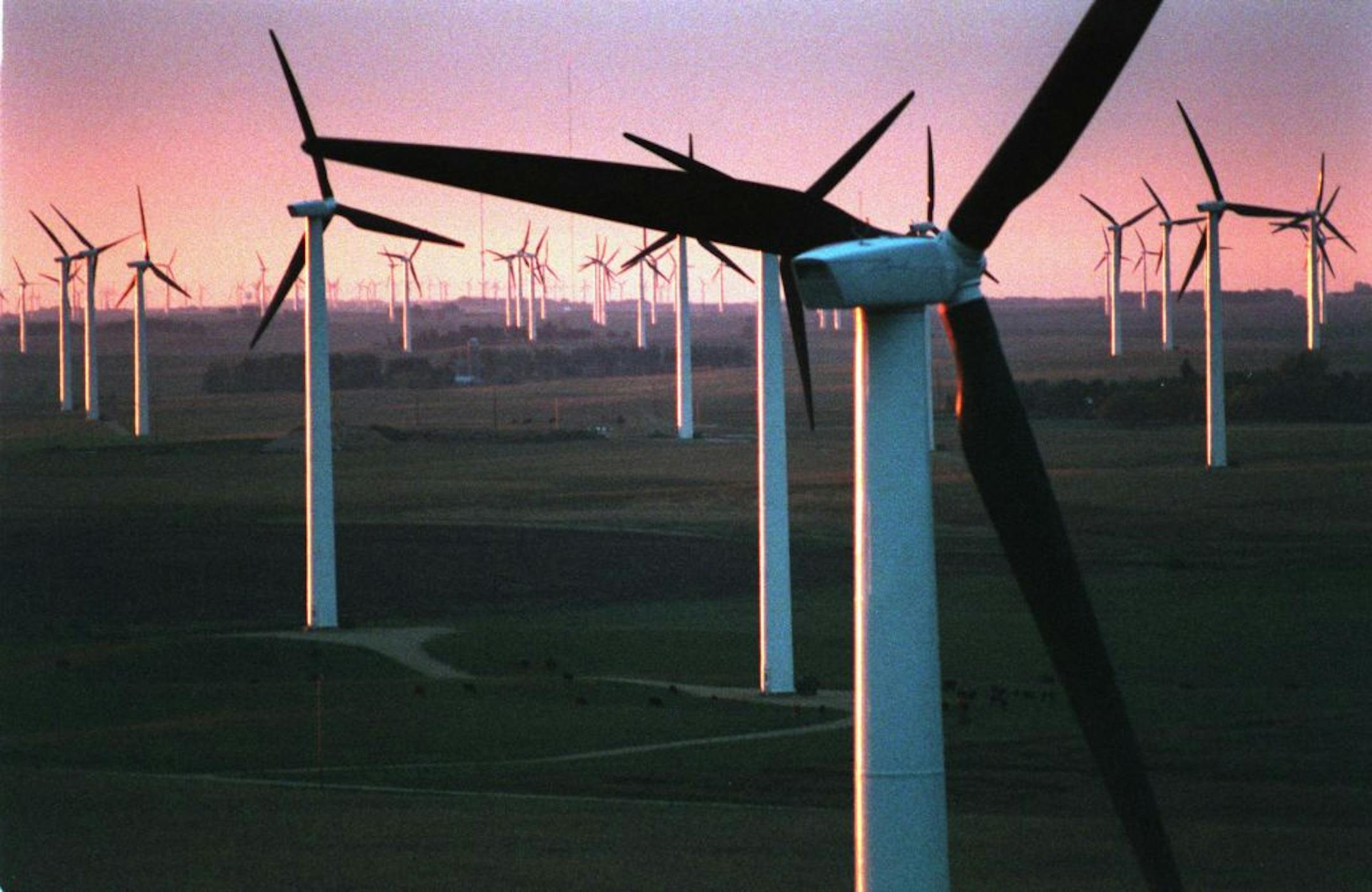
Minnesota, meanwhile, is already leading on the transition to clean energy, and most of our electricity generation is now carbon-free. If warnings of skyrocketing costs were true, one would expect our household electricity bills to be out of control. A quick glance at recent residential electric bills in Minnesota and similarly sized, red-leaning Midwestern states tells a different story.
Between July 2024 and 2025, Wisconsinites’ home power bills increased 4.6%. In Missouri, there was a 6.4% rise, and Indiana saw a whopping 10.1% increase. Here in Minnesota, land of the 100% carbon-free mandate, home power bills rose only 2.9%. Many of us will remember an event that did hit our power bills: the 2021 winter storm in Texas, where that state’s failure to weatherize its natural gas systems disrupted the energy market for much of the country, Minnesota included.
Yes, the sun doesn’t always shine, and the wind doesn’t always blow, though Minnesota enjoys windy days in abundance. That’s why investments in energy storage, like the Northern Crescent Solar and Storage project in Faribault County, are critical to power grid stability. Thanks to these and other advancements, utilities like Xcel have expressed complete confidence in their ability to achieve 100% carbon-free electricity in the state by 2040.


