Mixing politics and social media could kill your brand

January 30, 2017 at 2:48PM
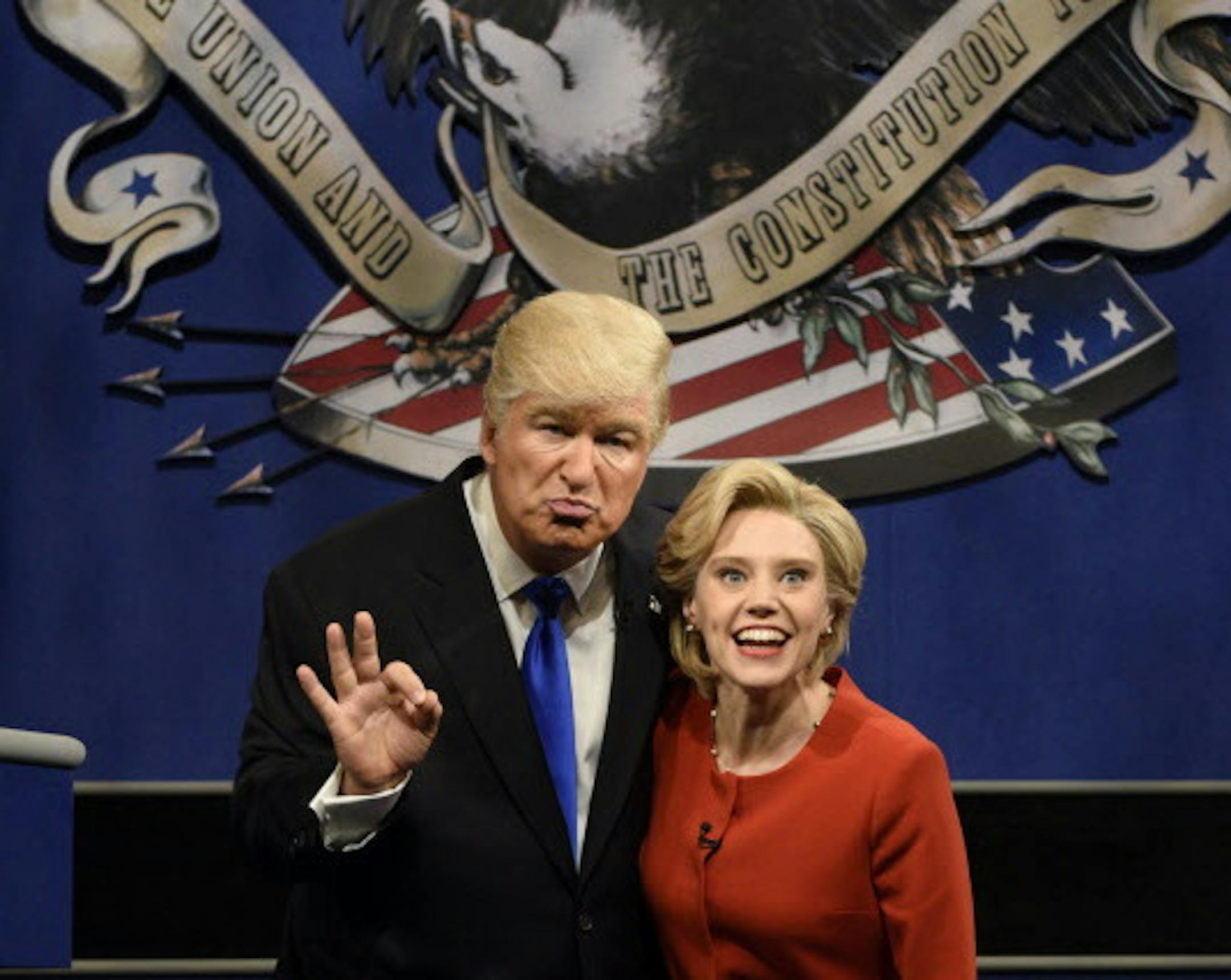
In this photo provided by NBC, Alec Baldwin, left, as Republican presidential candidate, Donald Trump, and Kate McKinnon, as Democratic presidential candidate, Hillary Clinton, perform during the "Debate Cold Open" sketch on the 42nd season of "Saturday Night Live," in New York, Saturday, Oct. 1, 2016. (Will Heath/NBC via AP) MANDATORY CREDIT
In this photo provided by NBC, Alec Baldwin, left, as Republican presidential candidate, Donald Trump, and Kate McKinnon, as Democratic presidential candidate, Hillary Clinton, perform during the “Debate Cold Open” sketch on the 42nd season of “Saturday Night Live,” in New York, Saturday, Oct. 1, 2016. (Will Heath/NBC via AP) MANDATORY CREDIT (The Minnesota Star Tribune)

Brands are living in dangerous times. Our political environment has become tribal. Everyone is being forced to pick sides … liberal, conservative, urban, rural, elite, blue collar, us and them.

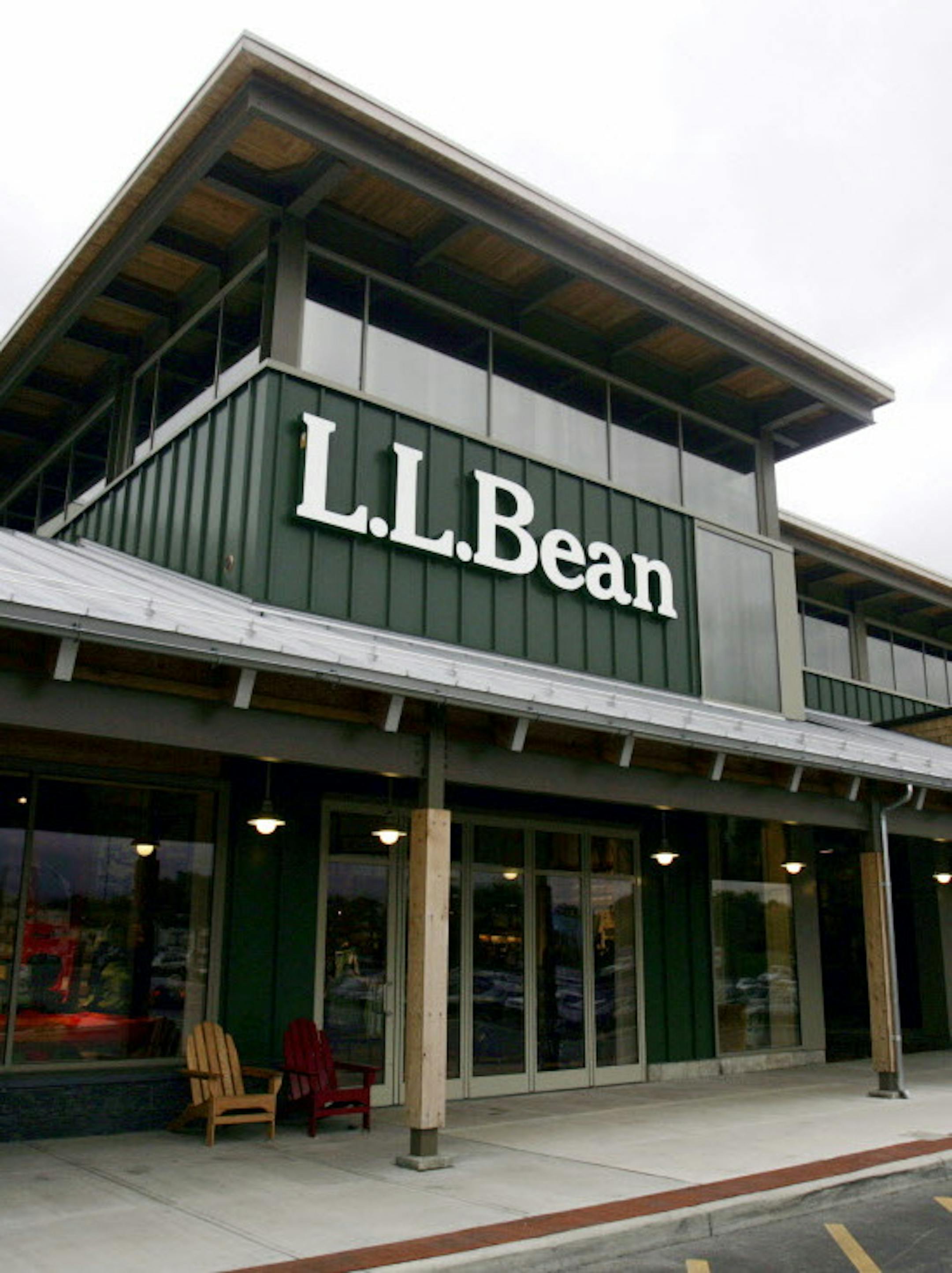
Everything has become a litmus test as to whose side you are on. We've lost the middle ground in this polarized political environment. For example, when Donald Trump tweeted that Linda Bean, granddaughter of the L.L. Bean founder, had contributed to the Trump campaign, the company became the target of a boycott. Even though L.L. Bean stated it does not endorse any political candidates, the damage was done.

It's all about values. Whenever you hear about a backlash in the media, it's because a company acted out of alignment with stakeholders' values.

Companies spend billions of dollars on research to understand why a customer buys its product or services. However, these same companies spend virtually nothing to understand what values the customer assigns to the brand after the purchase. If corporate values aren't aligned with stakeholder values, the risk is hurting or destroying the relationship.

Brands should share values

The Trump organization faces the same dilemma. The Trump corporate brand represents luxury and achievement, while the Donald J. Trump political brand represents a nationalistic populist movement. These two brands are diametrically opposed. The people attracted to the luxury brand assign values of elitism, prestige and exclusivity. They have very little in common with the populist movement people who feel left behind by the Washington establishment. The populists will hold Trump accountable for the promises made about trade, jobs and immigration. This clash of values has the potential of harming one or both Trump brands.

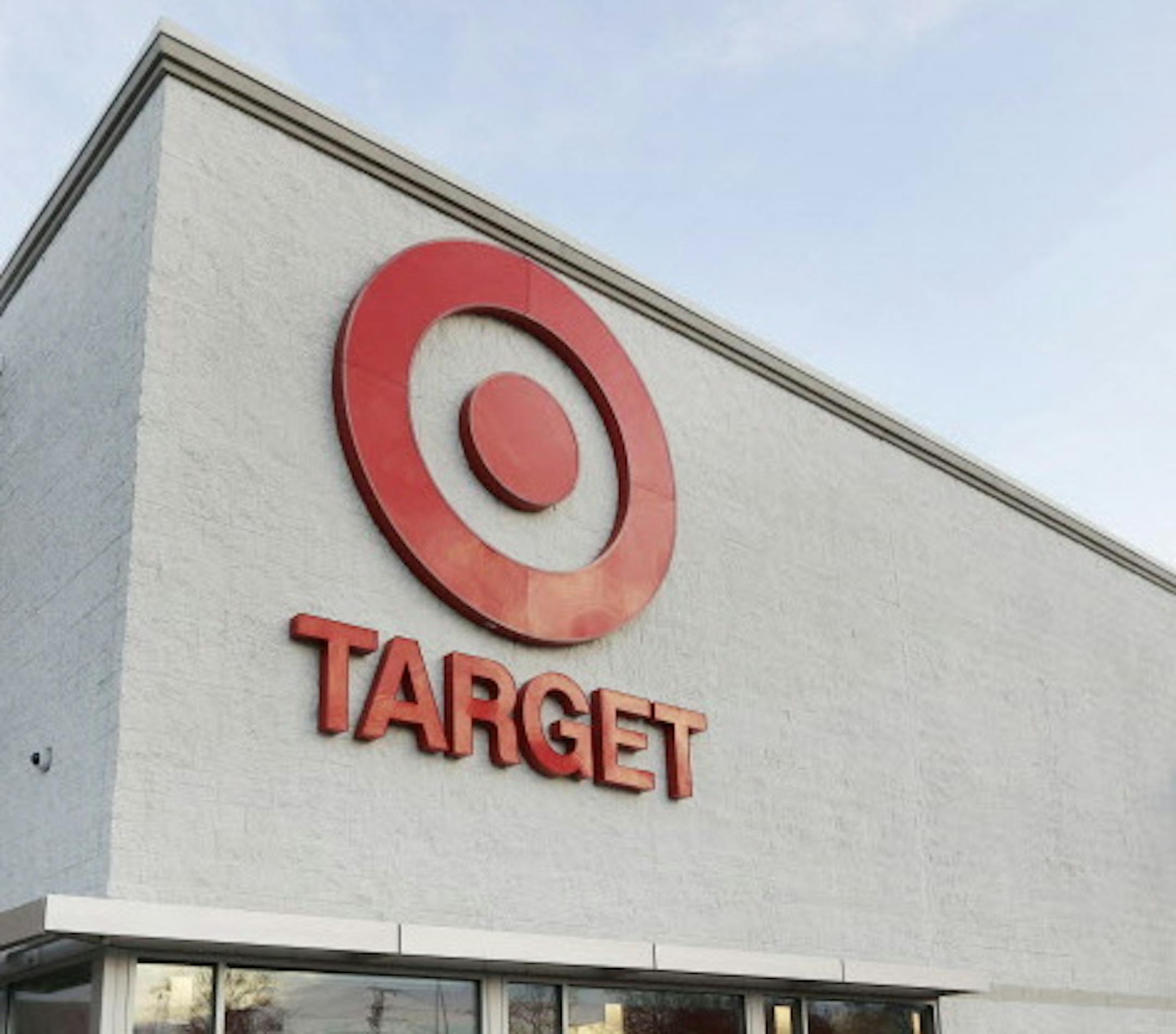
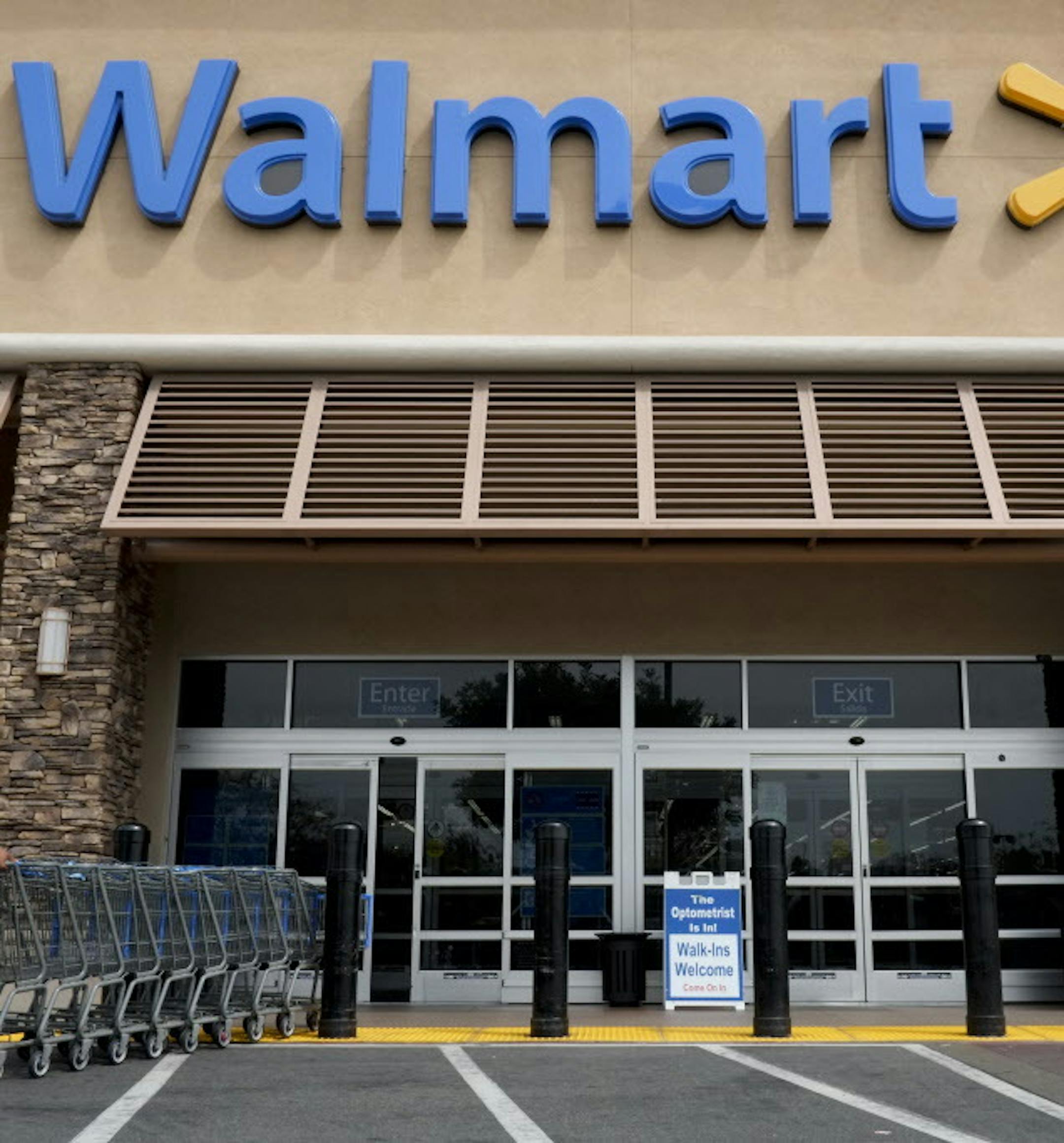
Fortune magazine released research on which brands were most hated by liberals and conservatives. Target and Wal-Mart were high on the list. The conservative attitudes regarding Target could be explained by the firm's position that transgender employees and customers should use the bathroom that aligns with their gender identities. More than 1 million conservatives pledged online to boycott the store.

This debate raged on in social media. Liberals dislike Wal-Mart because of low wages and the perception it kills local business.

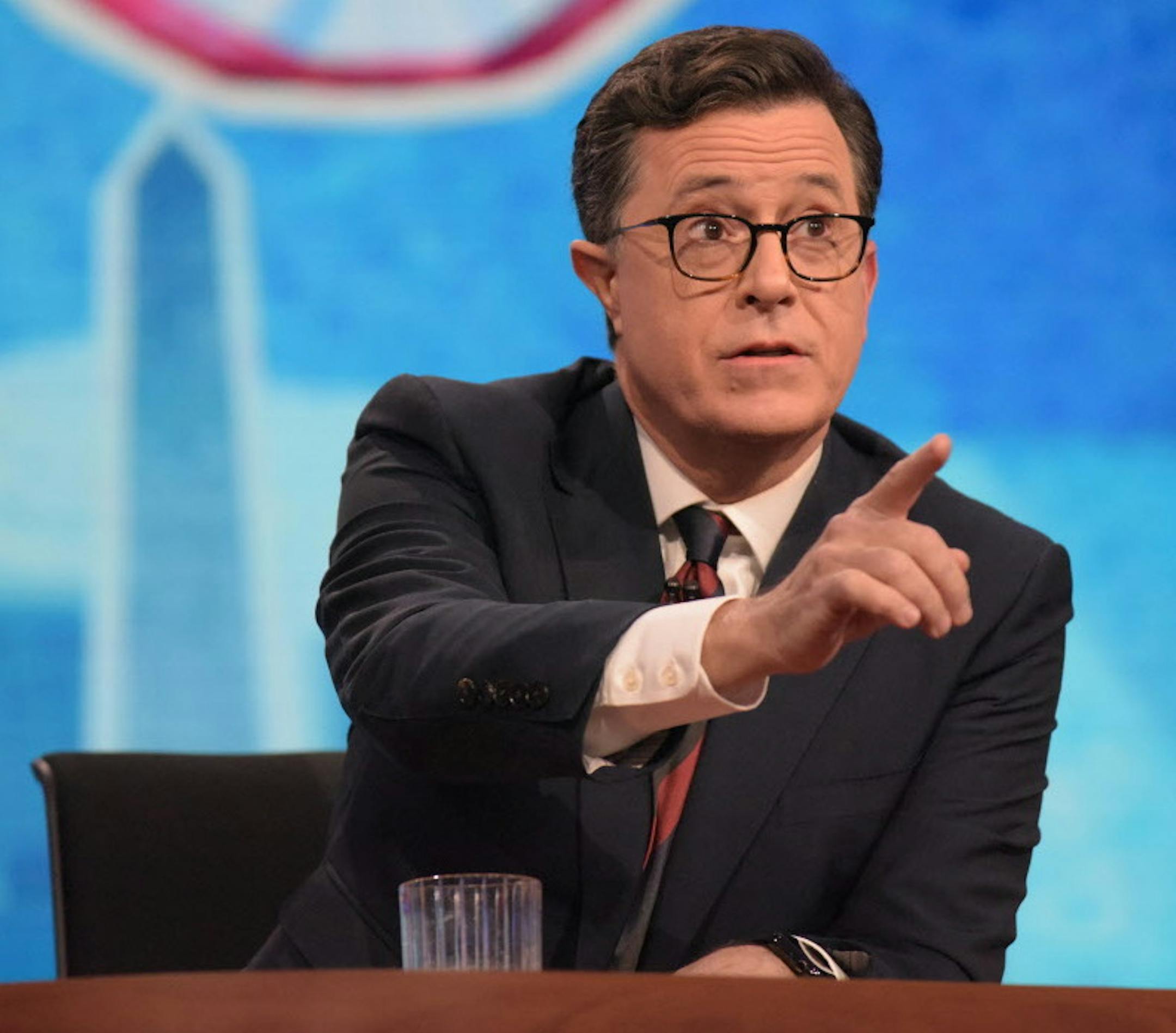
Network television and the entertainment industry are also enmeshed in the political culture wars. NBC must balance its position as a credible news organization while also producing "Saturday Night Live," which is openly feuding with Trump. CBS has the same issues with Stephen Colbert. The ratings for Colbert are directly impacted by his political views. It's difficult for the network to separate entertainment from news, and the news division's claims of impartiality are suspect with conservative audiences.
Right now all news, including print, is being viewed through a political lens. Jeff Bezos' purchase of the Washington Post sent shock waves through the media industry because of the concern a corporate organization might influence the media's coverage of events. More recently Bezos' negative comments about Trump once again threatened the Washington Post's position as being fair and impartial.

Historically, many companies contribute to both political parties to avoid being seen as partisan.

Even this practice is becoming increasingly difficult because of the pressures to pick sides. Another problem arises when CEOs become active in politics that may not serve the interests of the companies they lead.

So where does that leave your company's brand? Maintaining brand neutrality in a highly charged environment is critical to your survival. Most companies can't afford to pick sides. That's why one inadvertent tweet or Facebook posting could have dire consequences.

Social media is a great way to build brand communities, address issues and engage customers, but if it isn't carefully managed, one rogue employee could do serious damage. Having clear brand values and social media guidelines is the best way to protect your company's reputation.

Of course you can't perfectly align all stakeholder values with corporate values, so the job becomes knowing what values your key stakeholders have assigned to your brand and act accordingly. The market and political environment is moving so fast that the only practical brand and social strategy must be based on your corporate values.

Everyone from the C-suite to the rank-and-file must understand, too, that when they use company social media sites, they represent the company's brand and the views expressed will be seen as the company's official position.

In the event of a crisis, you may only have a few minutes to react to the situation and it's impractical to prepare a crisis plan for every eventuality. Relying on your corporate values will help guide your organization to make the right decisions in real time. Maintaining brand neutrality will require rigorous attention to shifting stakeholder values and vigilance on social media. The only way to manage in this polarized environment is to track changing stakeholder attitudes and align with the values your customers have assigned to your brand.

Being values-driven is the only sure way to protect your brand and reputation.

John Foley is the founder and CEO of the branding and marketing firm LEVEL in Minneapolis.


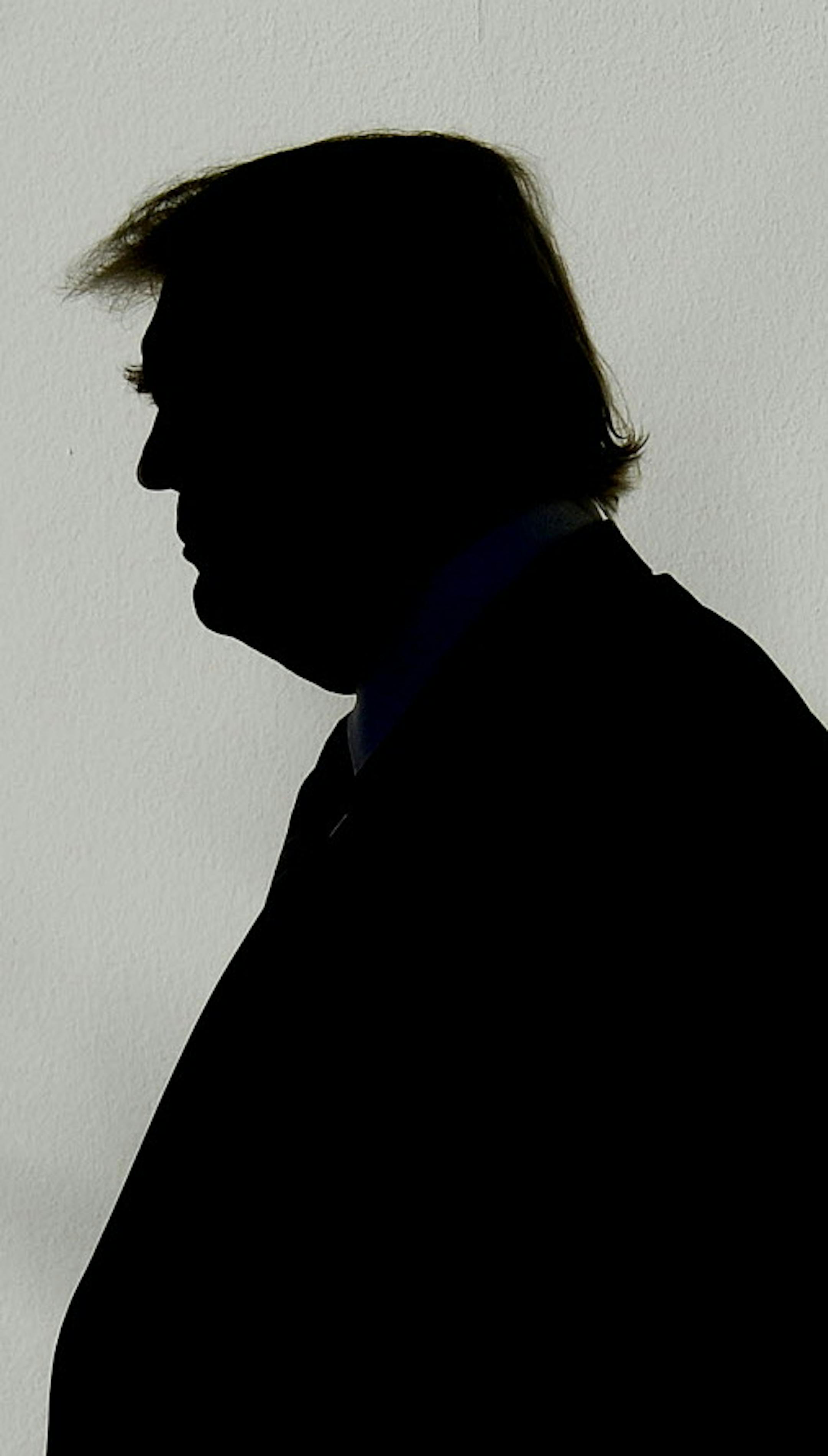
US President Donald Trump walks back to the Oval Office of the White House Jan. 26, 2017 in Washington, D.C. (Olivier Douliery/Abaca Press/TNS) ORG XMIT: 1196619
US President Donald Trump walks back to the Oval Office of the White House Jan. 26, 2017 in Washington, D.C. (Olivier Douliery/Abaca Press/TNS) ORG XMIT: 1196619 (The Minnesota Star Tribune)
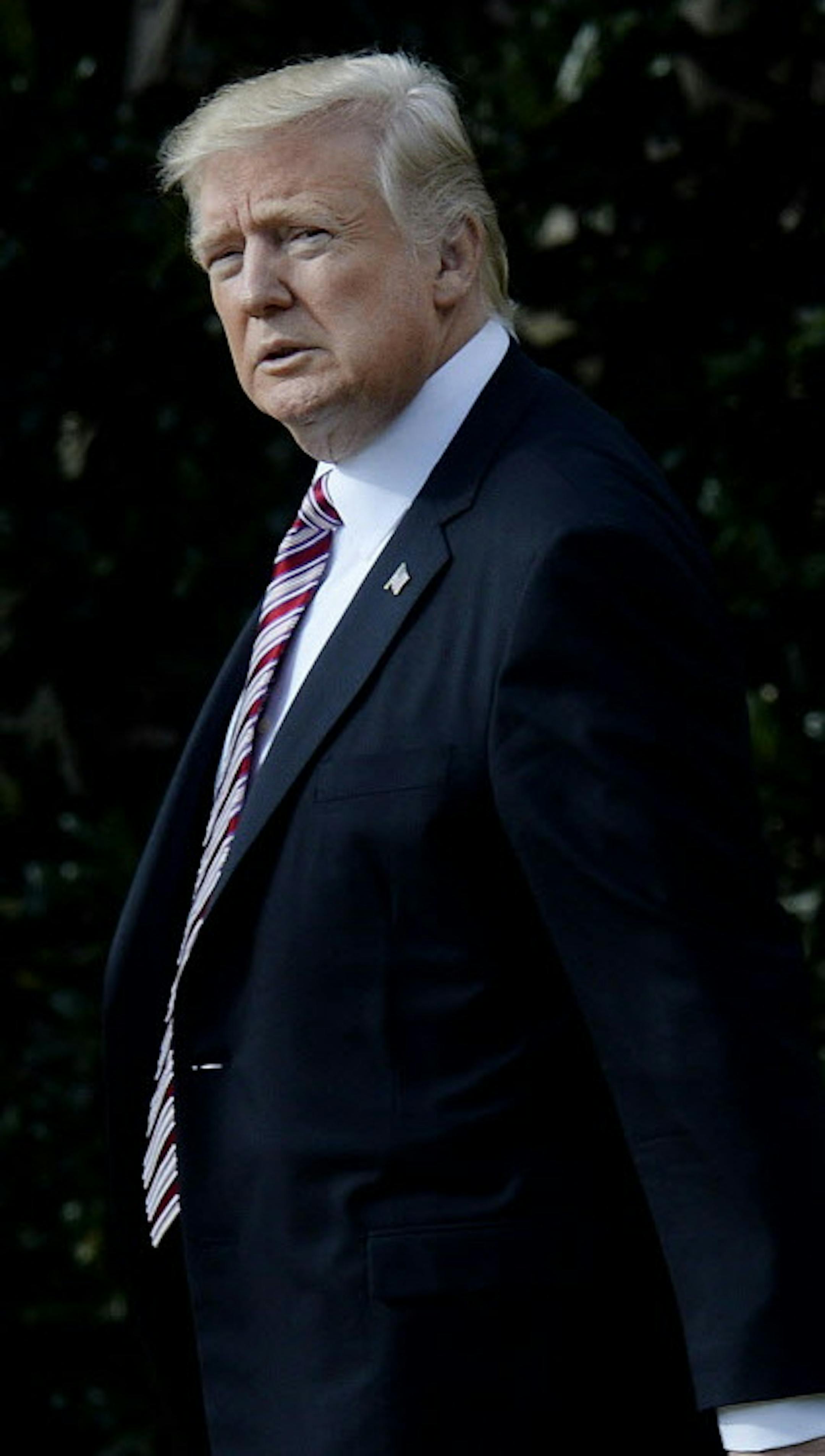
US President Donald Trump walks toward Marine One while departing from the White House, January 26, 2017 in Washington, D.C. (Olivier Douliery/Abaca Press/TNS) ORG XMIT: 1196619
US President Donald Trump walks toward Marine One while departing from the White House, January 26, 2017 in Washington, D.C. (Olivier Douliery/Abaca Press/TNS) ORG XMIT: 1196619 (The Minnesota Star Tribune)
FILE - In this Dec. 19, 2013, file photo, a passer-by walks near an entrance to a Target retail store in Watertown, Mass. Target Corp. reports quarterly financial results before the market opens on Wednesday, Feb. 26, 2014. (AP Photo/Steven Senne, File)
FILE - In this Dec. 19, 2013, file photo, a passer-by walks near an entrance to a Target retail store in Watertown, Mass. Target Corp. reports quarterly financial results before the market opens on Wednesday, Feb. 26, 2014. (AP Photo/Steven Senne, File) (The Minnesota Star Tribune)
Stephen Colbert during the Showtime election night special at the Ed Sullivan Theater in New York City on Tuesday, Nov. 8, 2016. (Scott Kowalchyk/Showtime/TNS) ORG XMIT: 1192870
Stephen Colbert during the Showtime election night special at the Ed Sullivan Theater in New York City on Tuesday, Nov. 8, 2016. (Scott Kowalchyk/Showtime/TNS) ORG XMIT: 1192870 (The Minnesota Star Tribune)
FILE- This Oct. 11, 2007, file photo shows a L.L. Bean store in Colonie, N.Y. Republican President-elect Donald Trump on Thursday, Jan. 12, 2017, urged people to buy from outdoors retailer L.L. Bean ó even though many of its products are made in China ó as it faces calls for a boycott because of a company heiress' donations to his candidacy. (AP Photo/Mike Groll, File)
FILE- This Oct. 11, 2007, file photo shows a L.L. Bean store in Colonie, N.Y. Republican President-elect Donald Trump on Thursday, Jan. 12, 2017, urged people to buy from outdoors retailer L.L. Bean ó even though many of its products are made in China ó as it faces calls for a boycott because of a company heiress’ donations to his candidacy. (AP Photo/Mike Groll, File) (The Minnesota Star Tribune)
FILE - In this May 9, 2013, file photo, a worker pushes shopping carts in front of a Wal-Mart store in La Habra, Calif. Wal-Mart plans to add about 10,000 retail jobs in the U.S. as it opens new stores and expands existing locations. The world's biggest retailer said Tuesday, Jan. 17, 2017, that there will also be about 24,000 construction jobs as well. (AP Photo/Jae C. Hong, File)
FILE - In this May 9, 2013, file photo, a worker pushes shopping carts in front of a Wal-Mart store in La Habra, Calif. Wal-Mart plans to add about 10,000 retail jobs in the U.S. as it opens new stores and expands existing locations. The world’s biggest retailer said Tuesday, Jan. 17, 2017, that there will also be about 24,000 construction jobs as well. (AP Photo/Jae C. Hong, File) (The Minnesota Star Tribune)
about the writer

about the writer

John Foley

More from Business

See More
card image
Fairview Health Services

The school is changing an elective course while still working with the Eden Prairie-based health care giant after students raised concerns.

This transmission electron microscope image shows SARS-CoV-2, the virus that causes COVID-19, isolated from a patient in the U.S., emerging from the surface of cells cultured in the lab. (NIAID/TNS) ORG XMIT: 1659810
card image