California is the home of high-tech Silicon Valley, but it's also the epicenter of the drought-stricken Central Valley, which produces more than half of the fruits, nuts and vegetables grown in the U.S.
So it shouldn't be a surprise that Mist Labs, a start-up company that's trying to help farmers use water more efficiently, is based in Redwood City in the San Francisco Bay Area. It is also the latest winner of the Cool Idea Award from Proto Labs in Maple Plain.
Proto Labs chooses six to eight enterprising companies each year and provides them with services that use one or more of the company's specialized technologies in 3-D printing, computerized machining and high-injection molding.
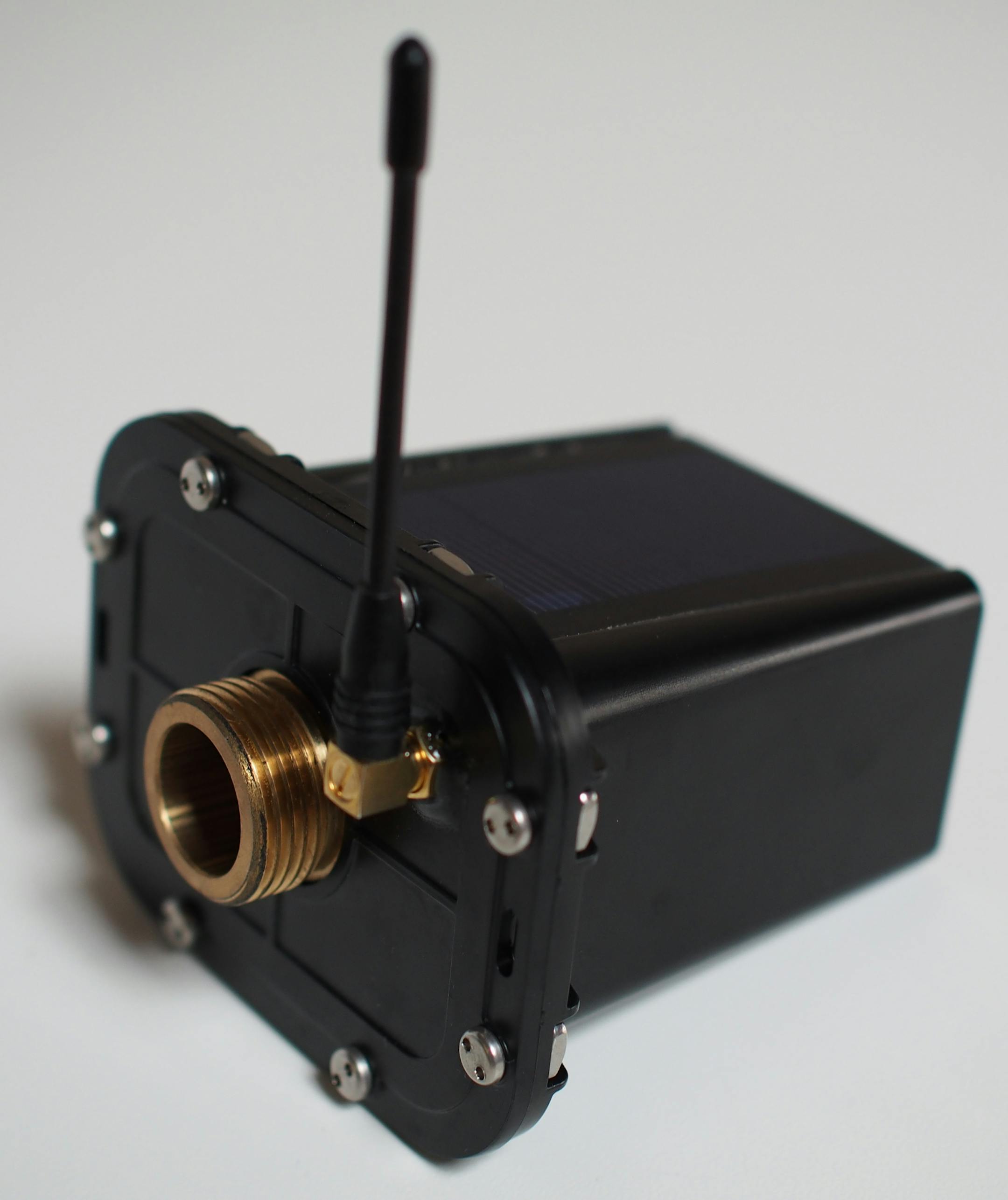
Mist Labs CEO Matt Kresse said his company's invention is a flow meter that ensures that water is flowing through irrigation systems uniformly so that less water is wasted and crops can reach optimal yields and quality.
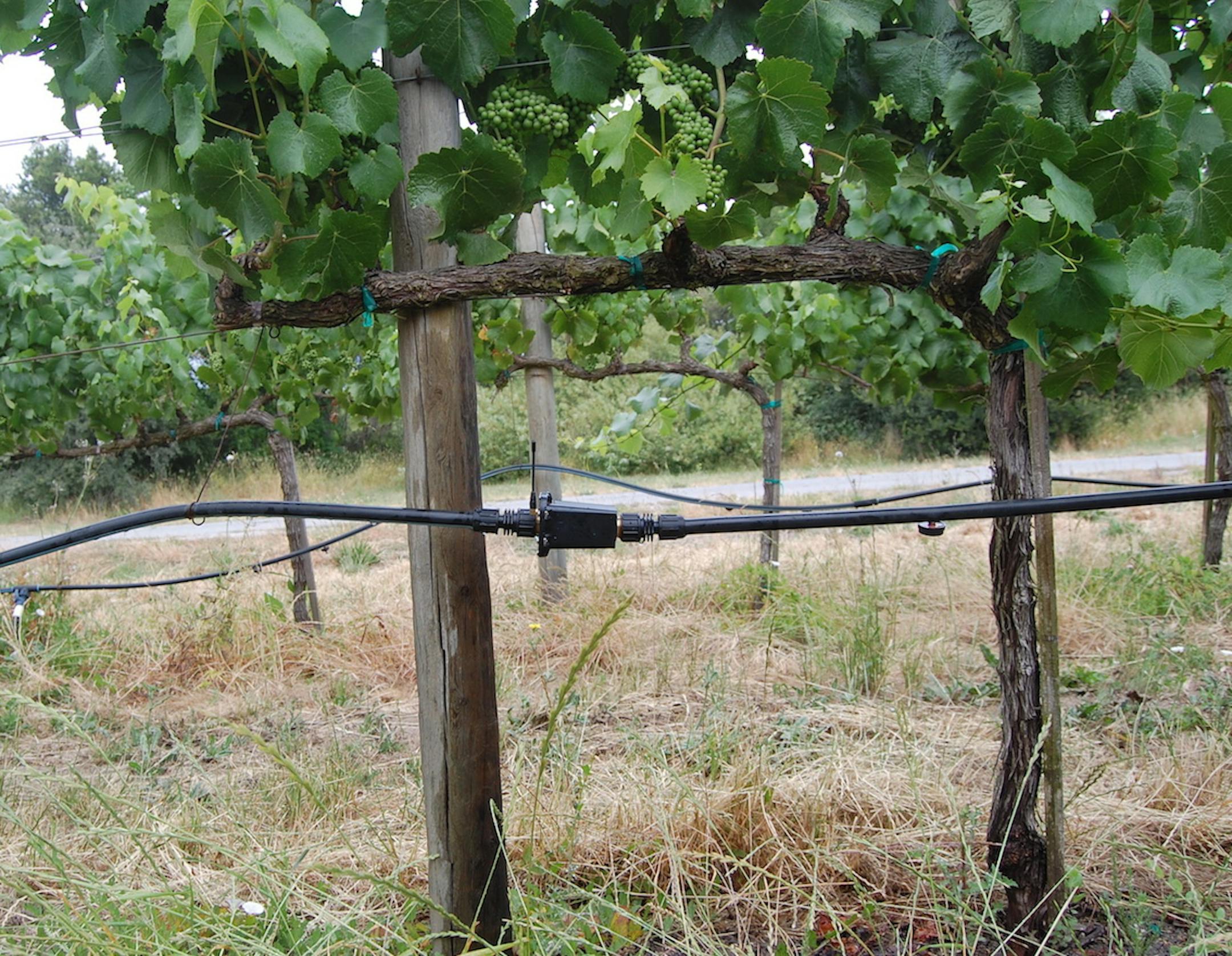
Most California farmers, Kresse said, have switched to micro-irrigation systems that pump water through tubing networks and release it in controlled amounts through small holes or sprayers at the base of plants that are closer to root zones.
But those systems primarily use manual controls and record-keeping that can be prone to error, he said. In addition, the tubing systems that snake down the rows of vineyards, orchards or vegetable crops can have pumping irregularities or may become blocked or damaged, leading to crop damage and uneven distribution of water.
The flow meter, called AgPulse, sends data about how different parts of an irrigation system are performing. "Basically the devices communicate to a hub that will send all the data to the cloud or to the internet whereby a farmer can see the data in real time on a website or a dashboard," Kresse said. That allows for both more precise irrigation and quick repairs if necessary, he said.
The unit has a solar panel on the top to transmit the information wirelessly. It also has a solar sensor that detects changes in how the leafy canopy from trees, grapevines or other crops is developing overhead. Since the device is attached to irrigation tubing near the ground, the sensor measures how much less sun is hitting it as the canopy grows and produces more shade.