For a century, the typewriter was king.
It was the essential tool of every aspiring novelist, intrepid journalist, serious secretary and ambitious college student. During its reign, anything worth the paper it was printed on — a historic speech, the great American novel, screenplays, contracts, letters, treaties, declarations of love and war — was likely drafted on a typewriter.
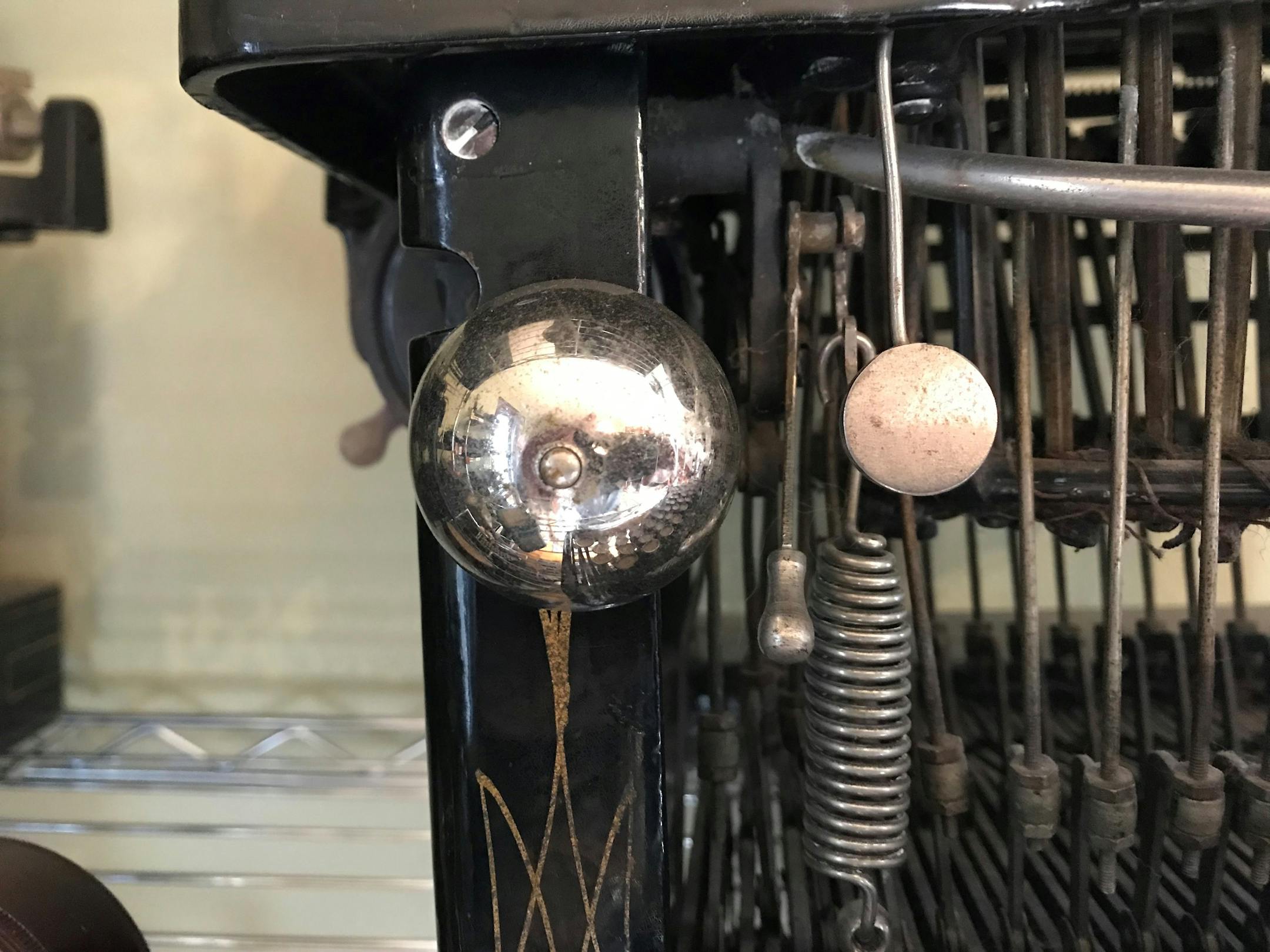
Its brisk, mechanical “clackety-clackety-clackety-clackety, ding!” was an essential part of the 20th-century soundscape. Once made obsolete by the word processor, then the personal computer, the syncopated chatter of the typewriter became as rare as the whir of a rotary phone dial.
But a small band of Minnesota typewriter lovers are keeping the legacy of the once-revolutionary writing machine alive, restoring, collecting and even writing on them. And their numbers are growing.
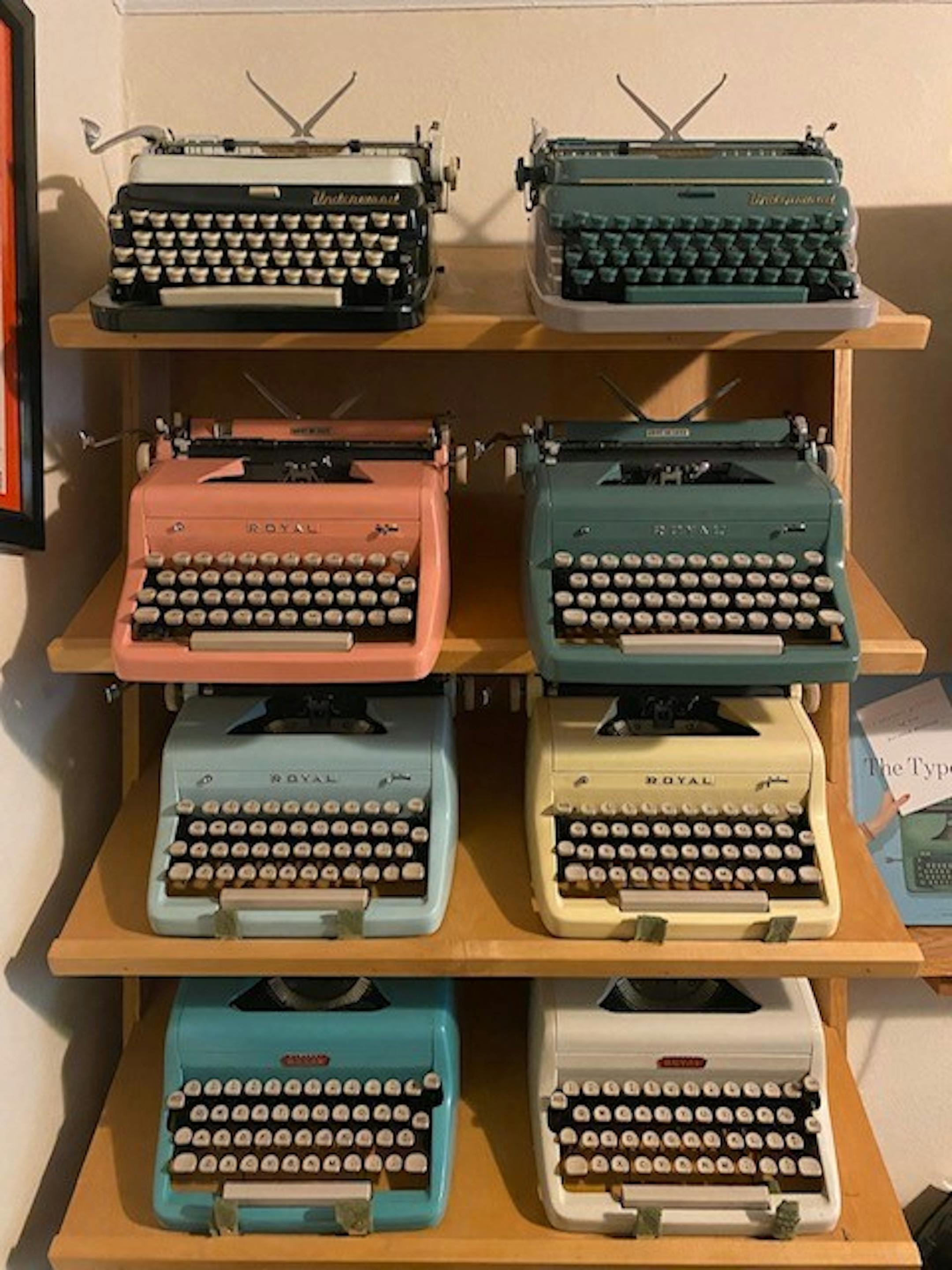
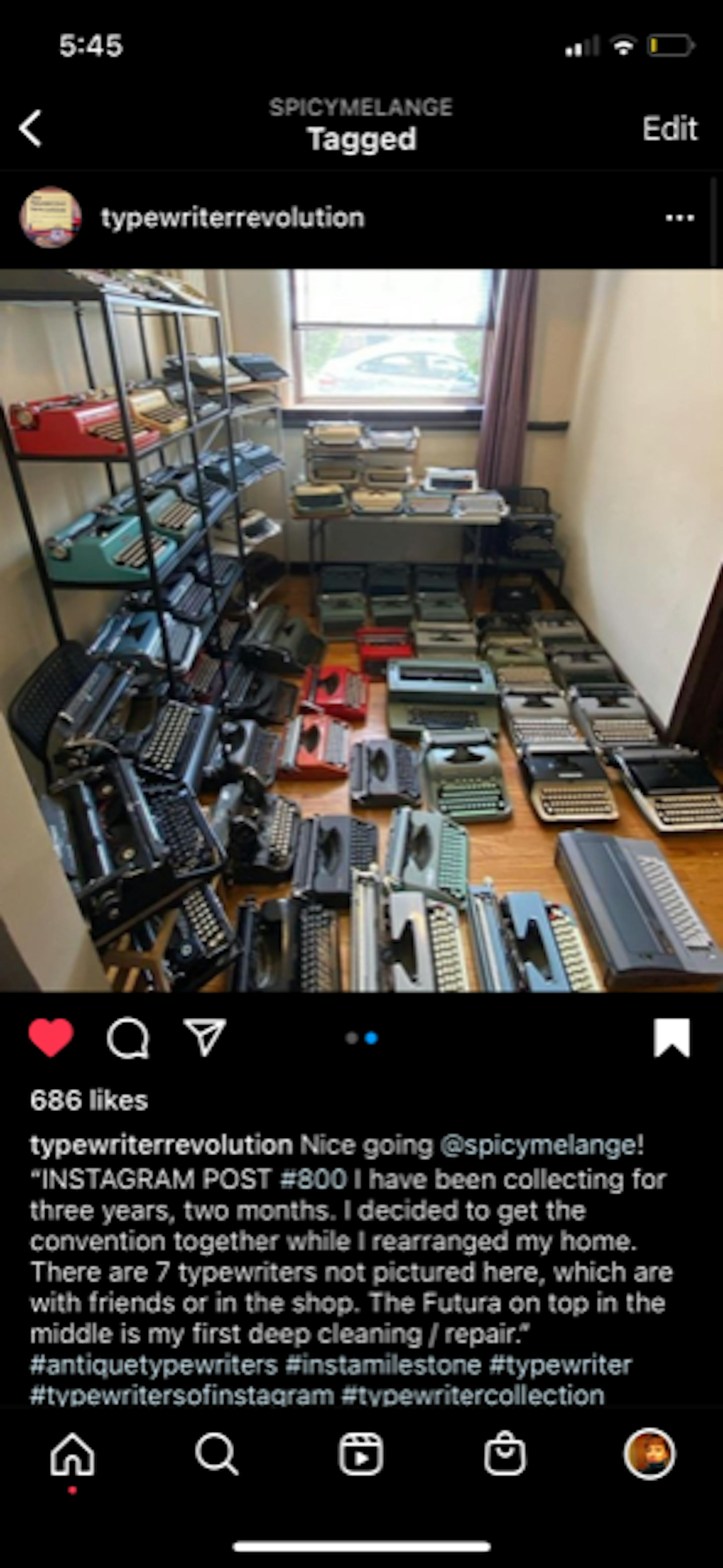
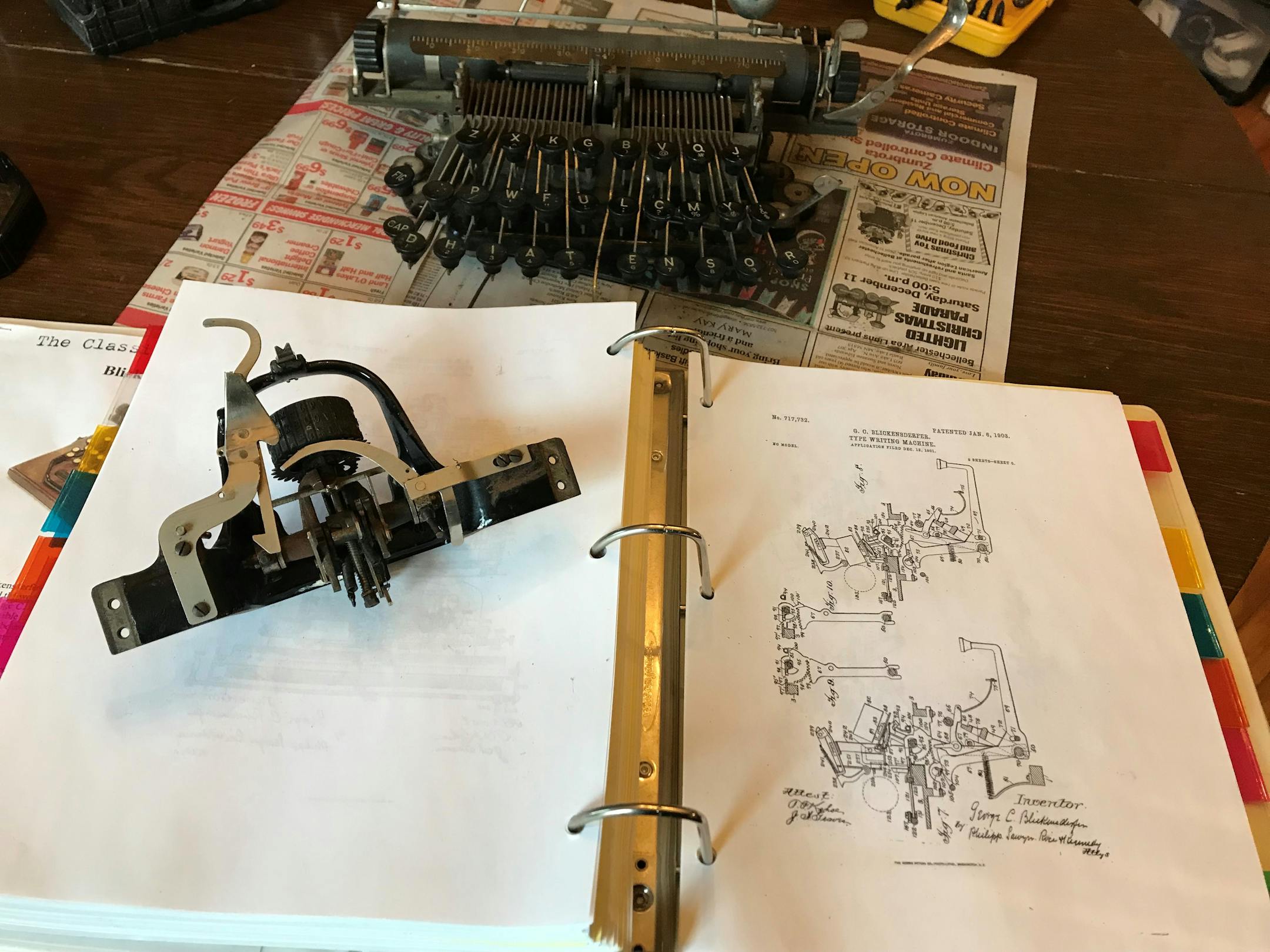
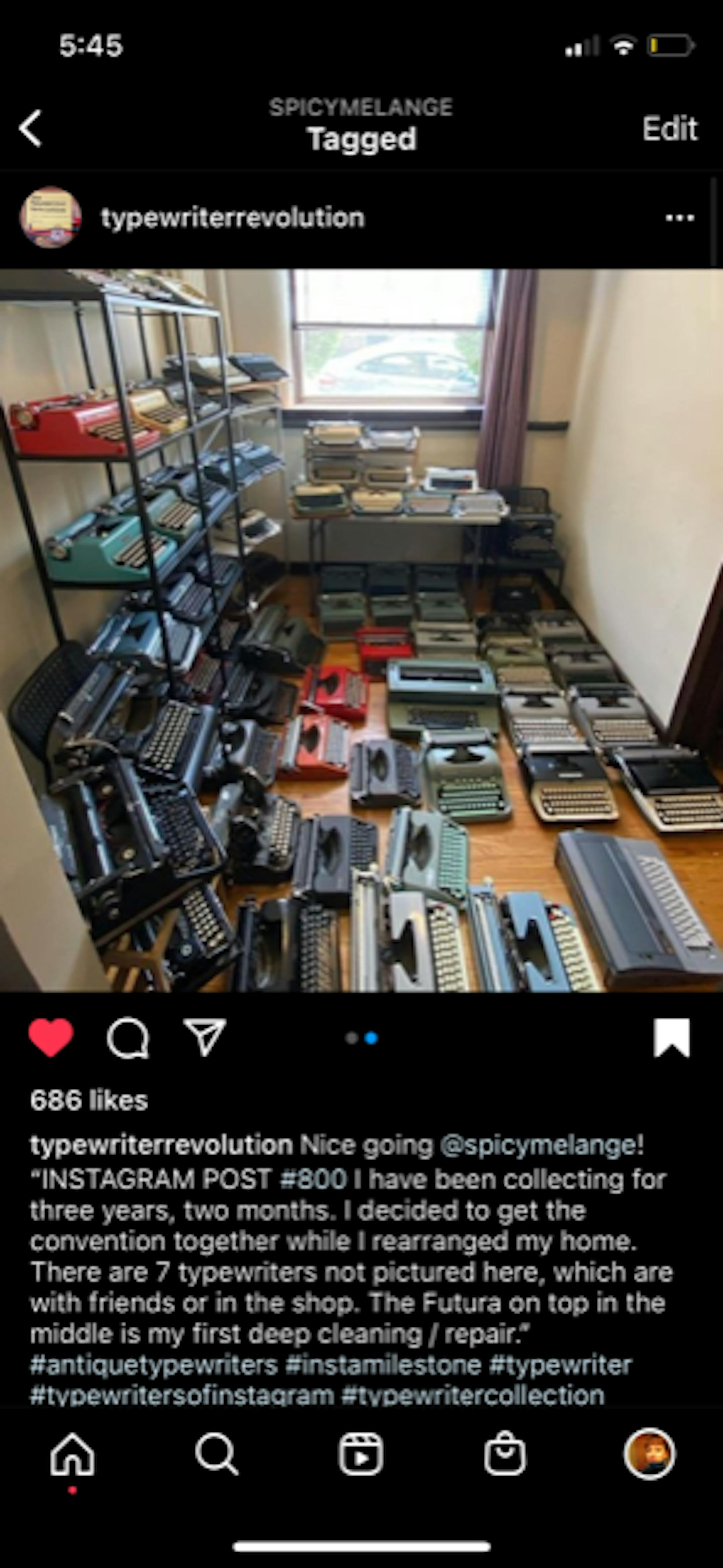
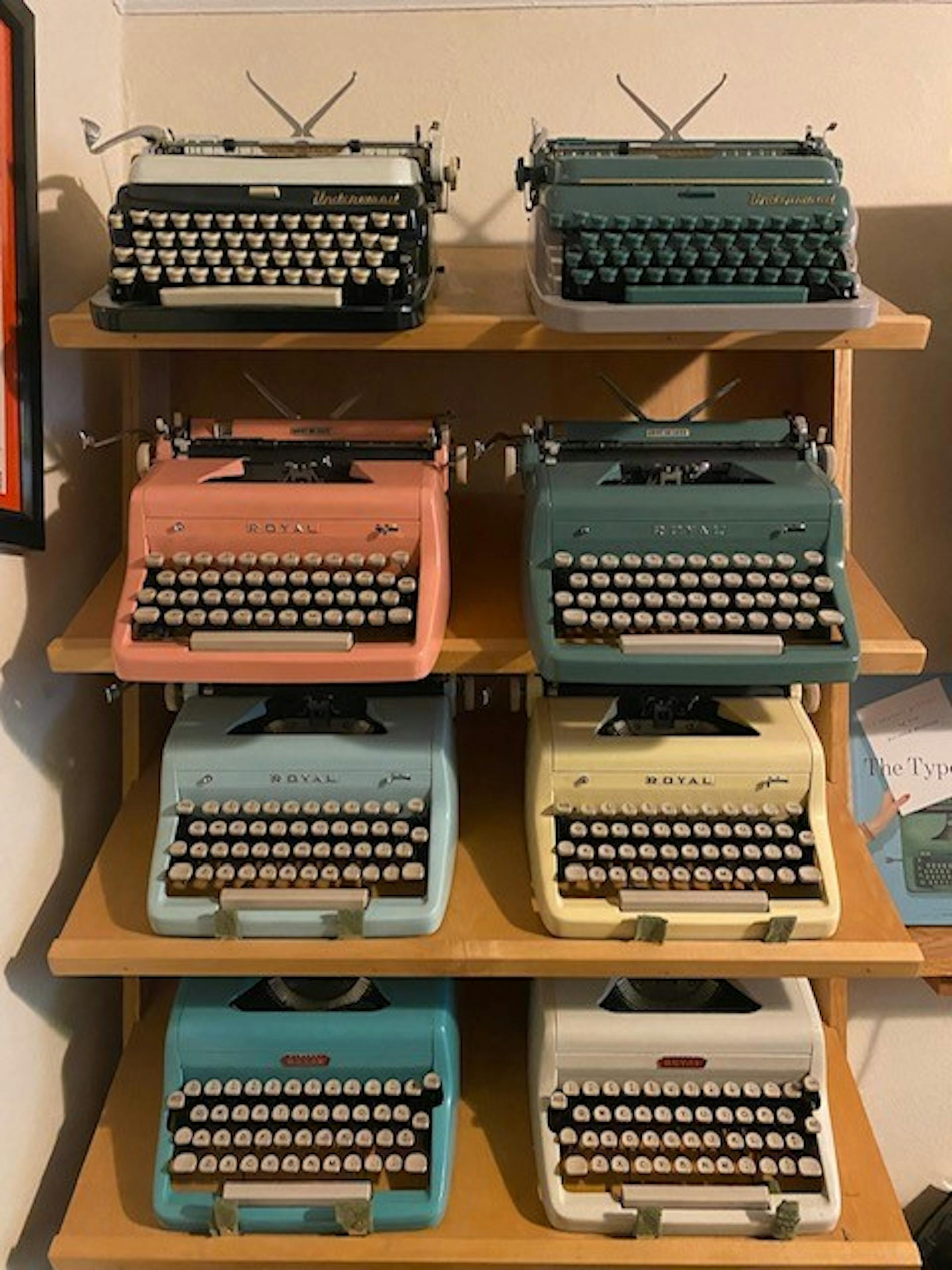
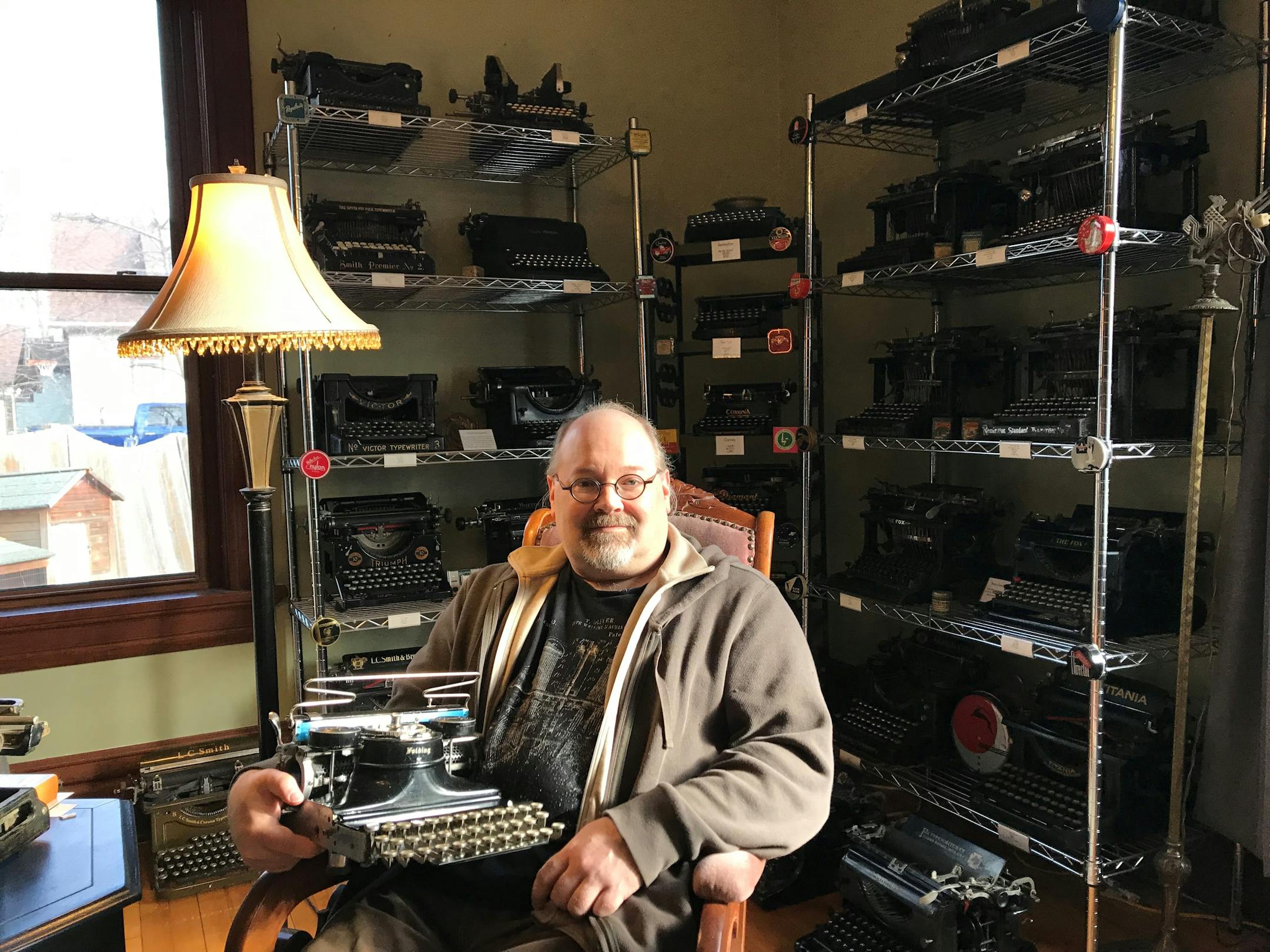
There’s uber collector Alan Seaver, who has more than 350 typewriters, probably the largest typewriter collection in the state.
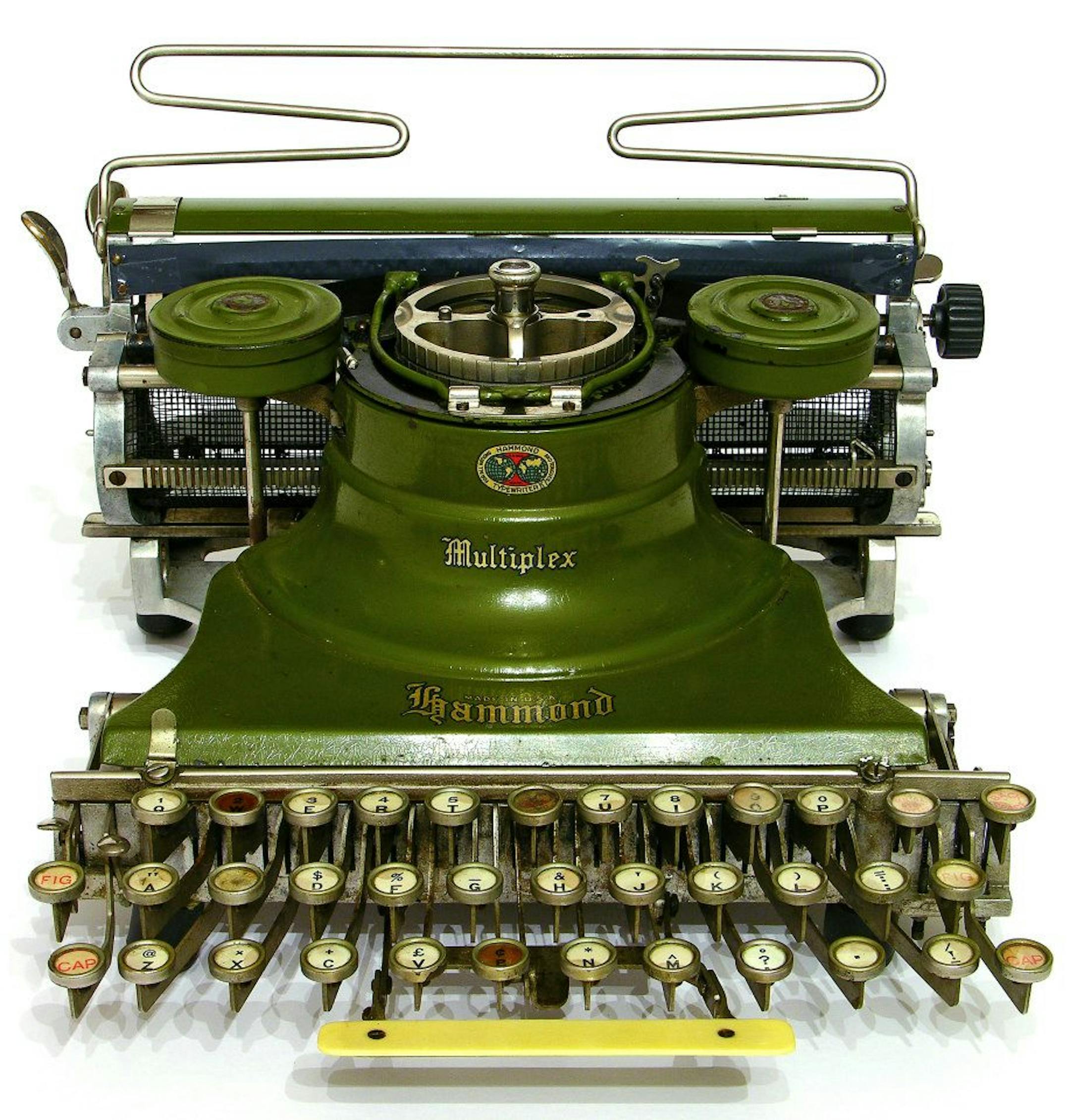
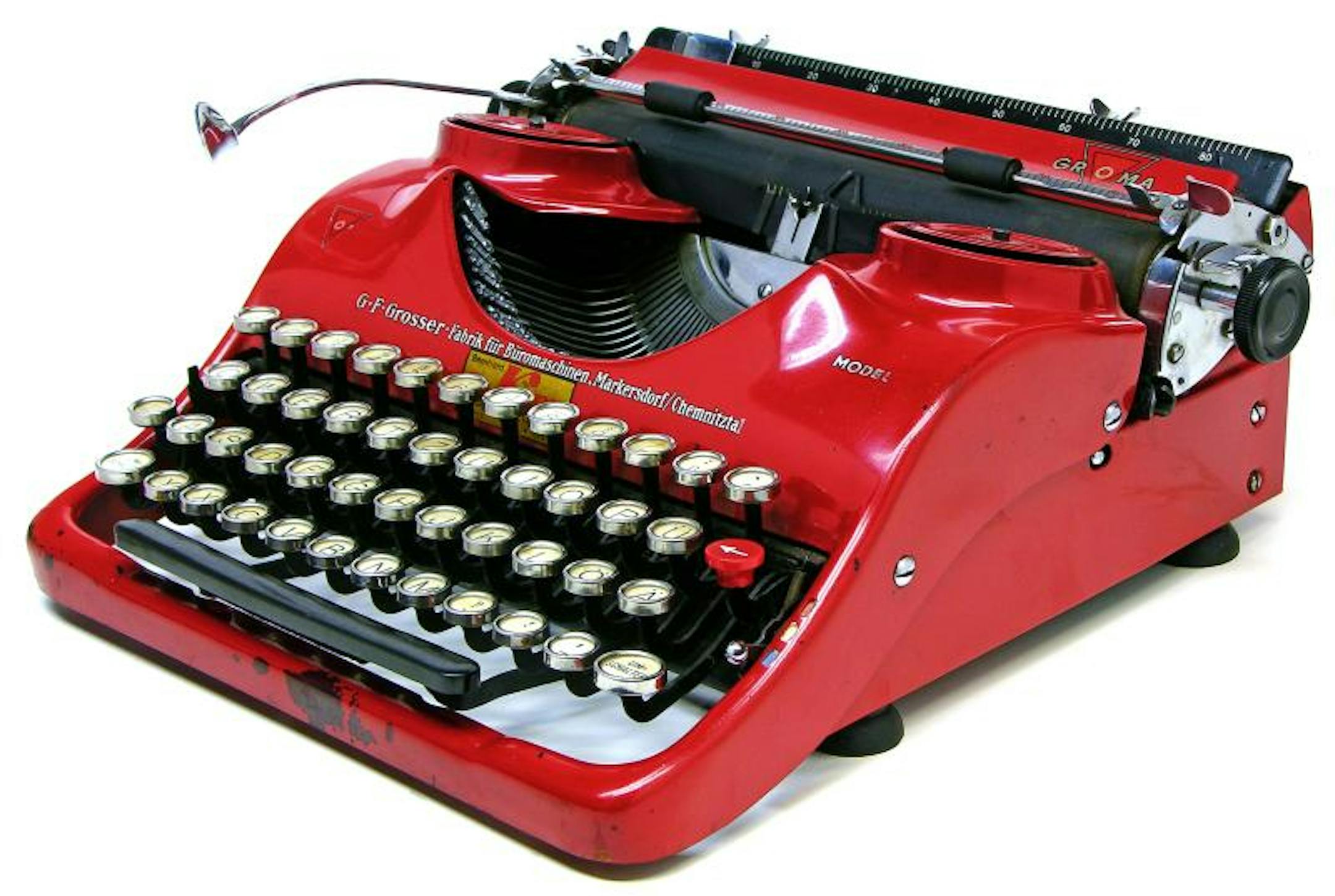
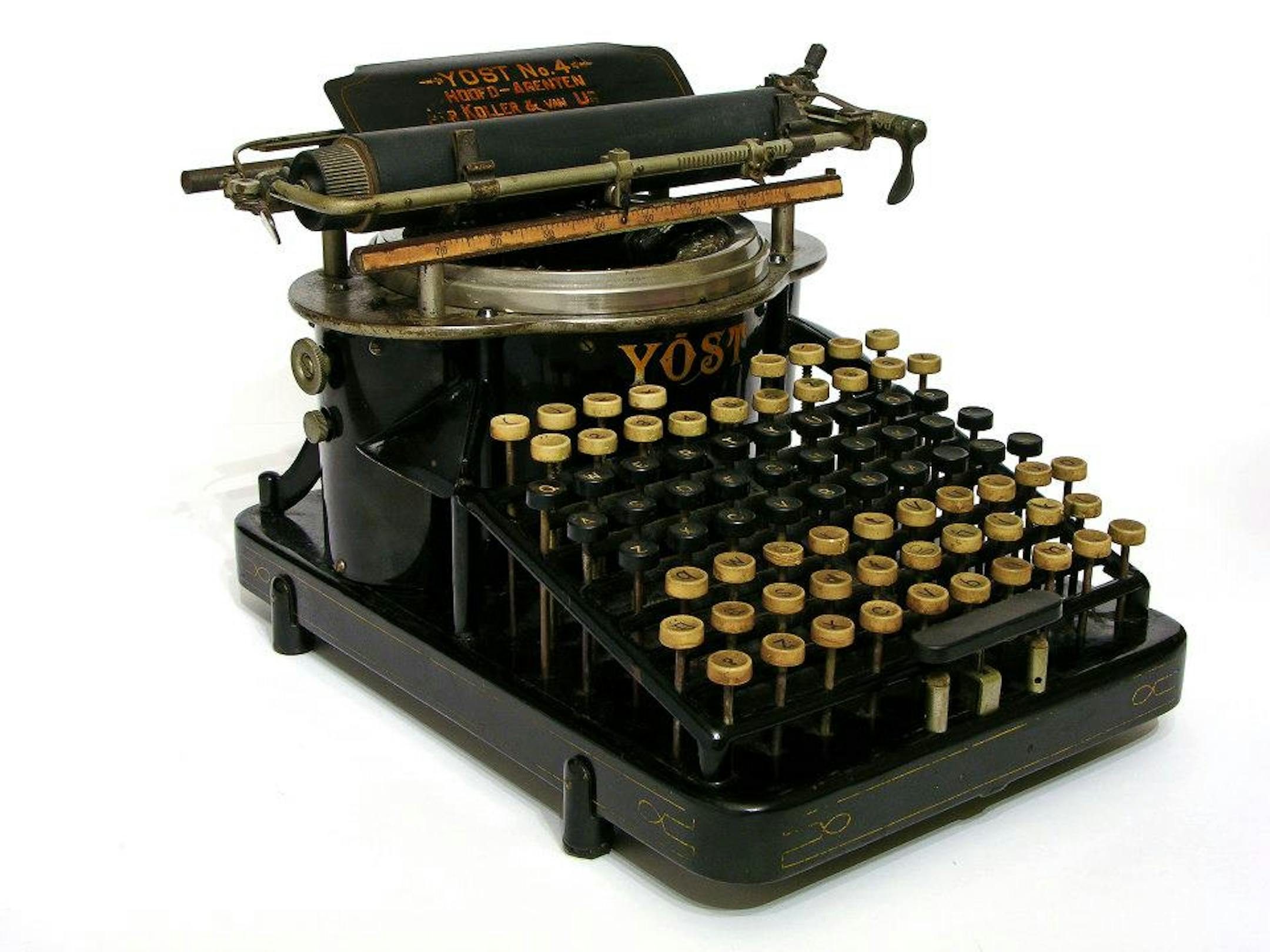
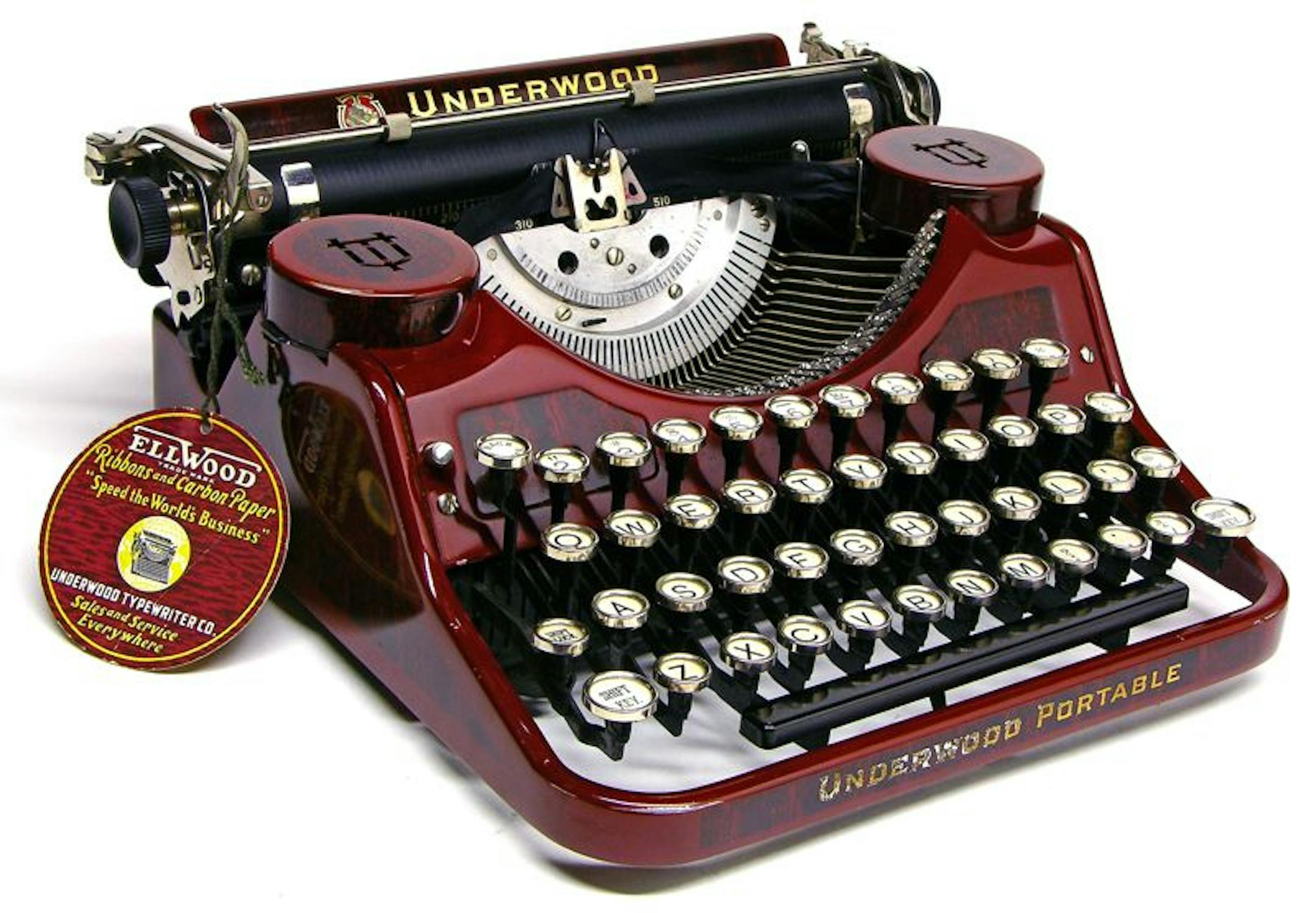
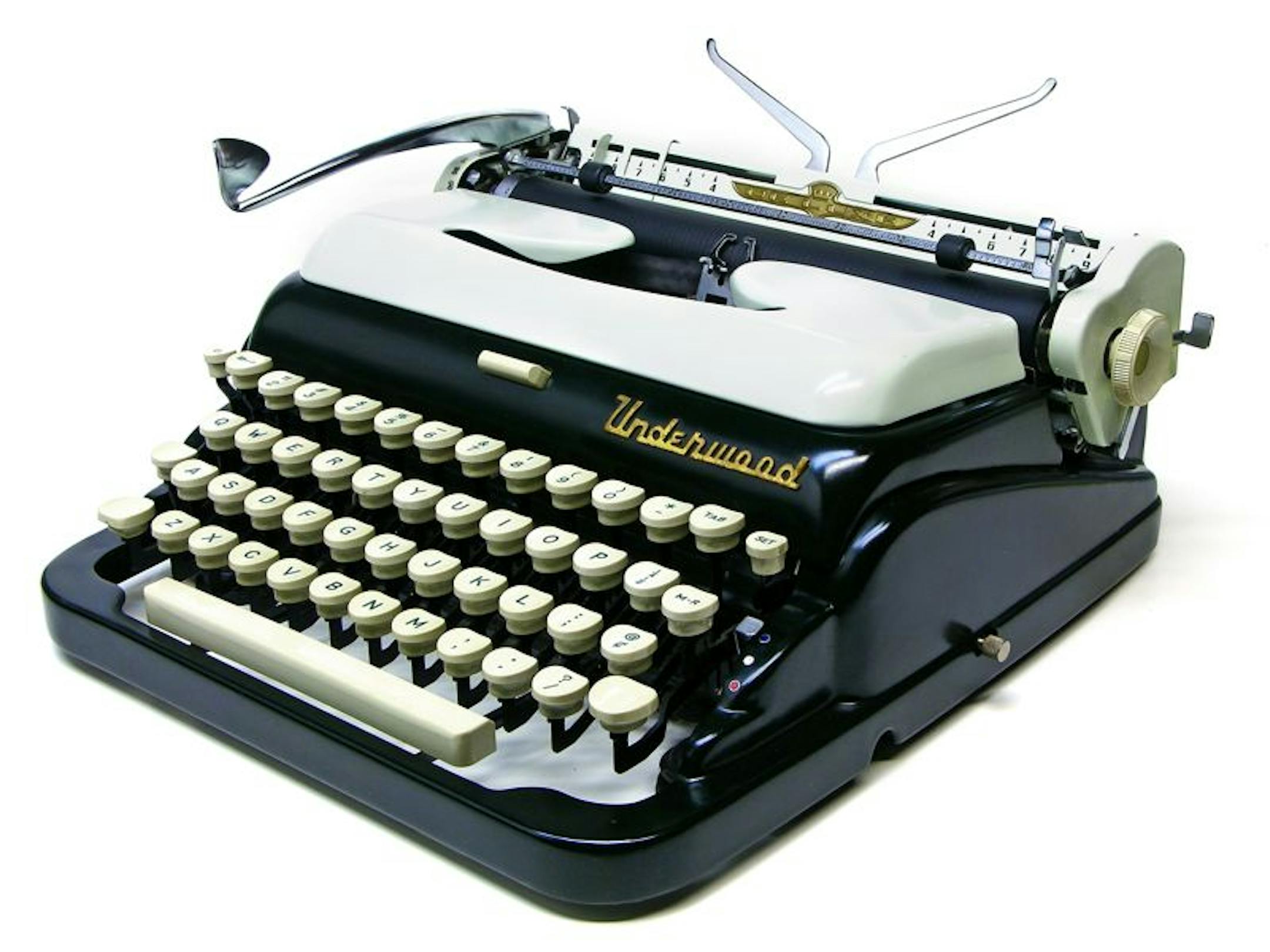
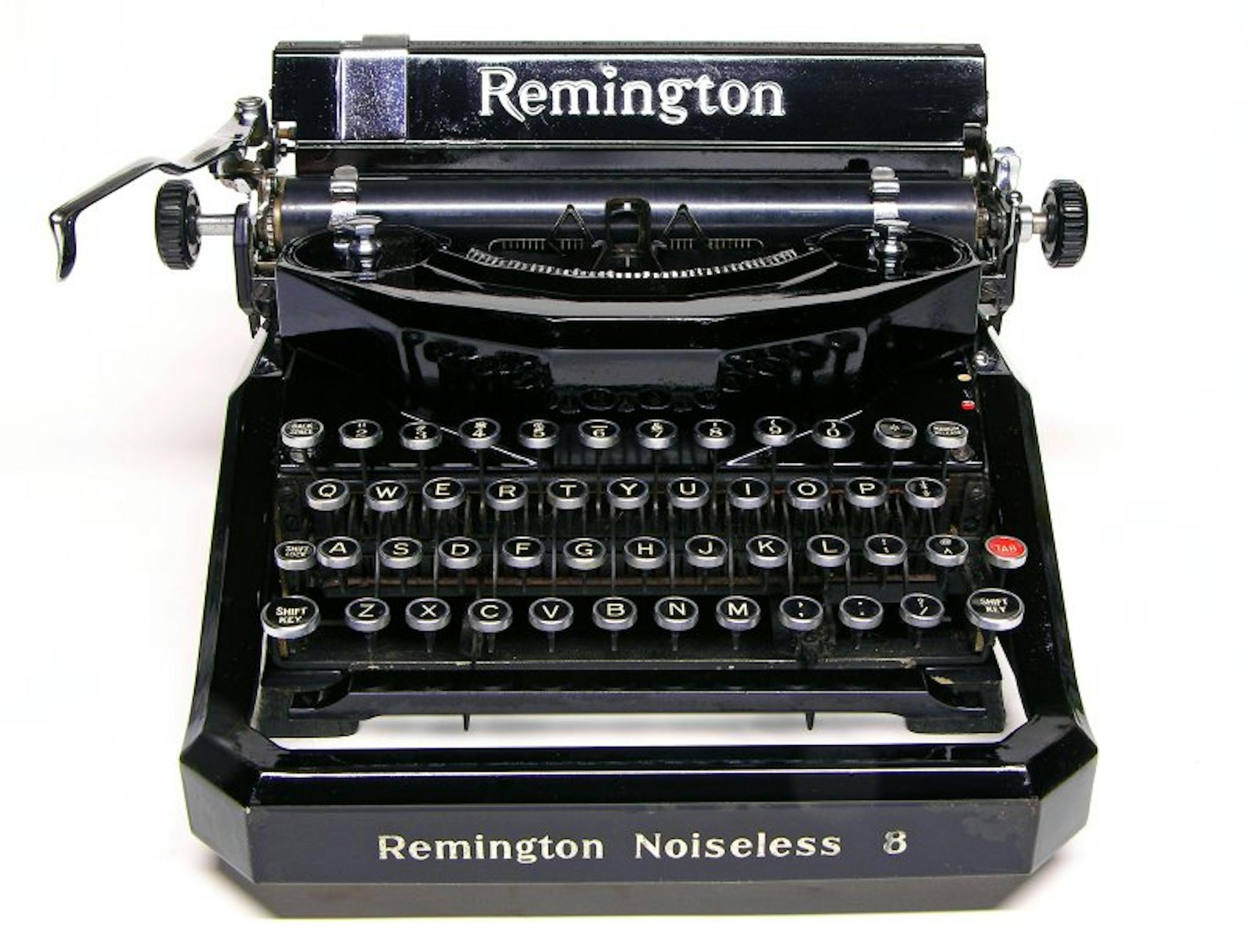
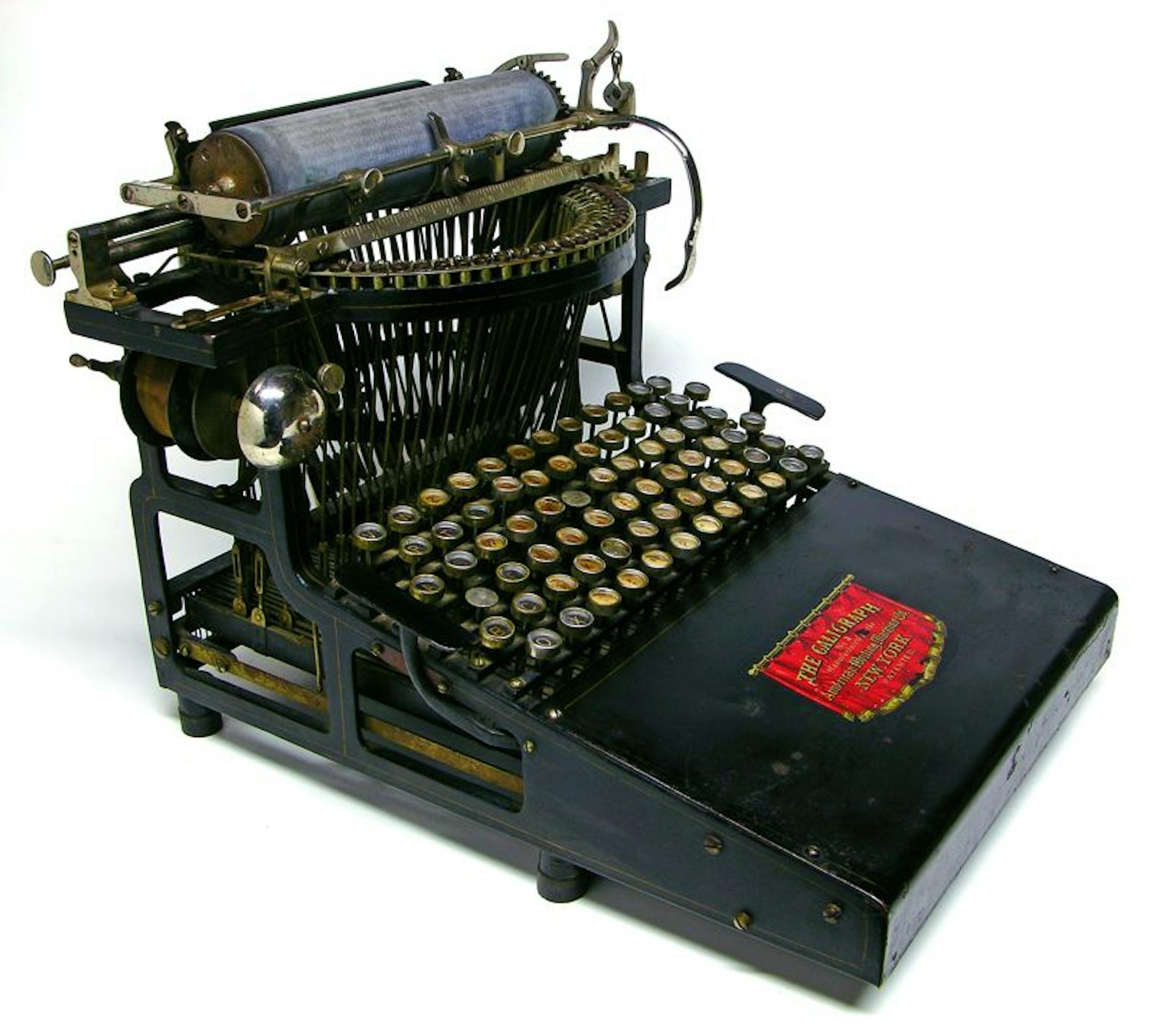
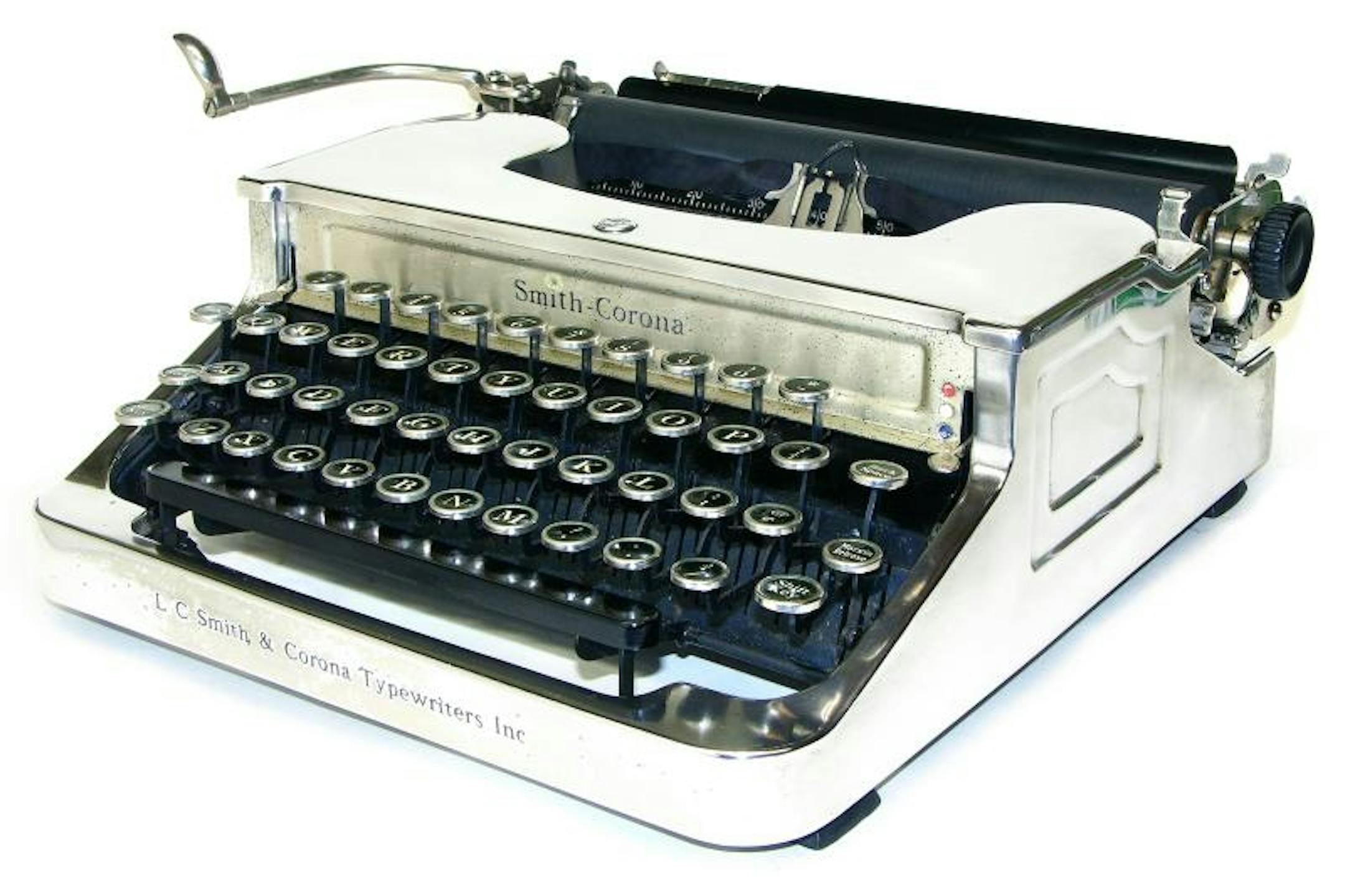
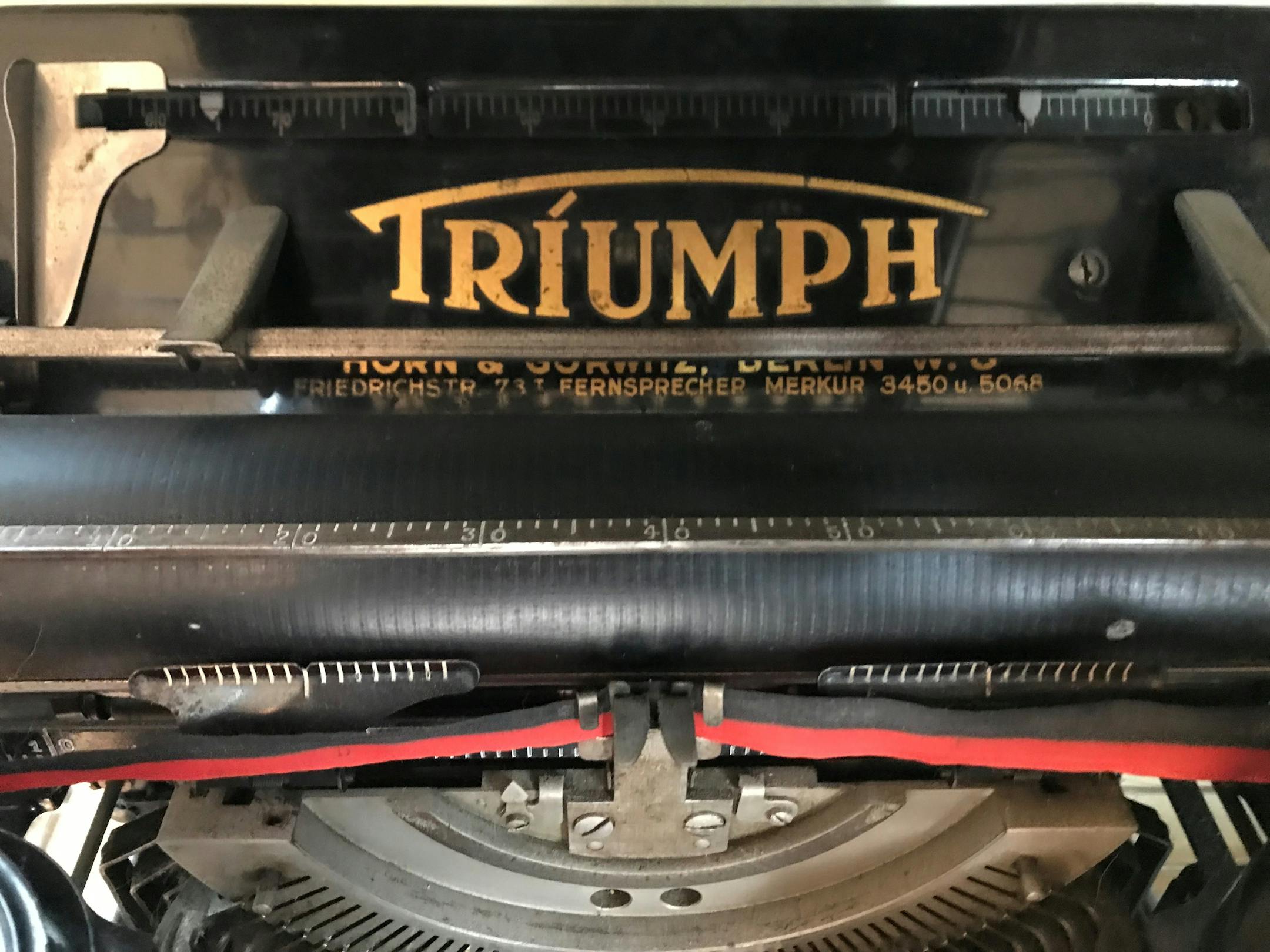
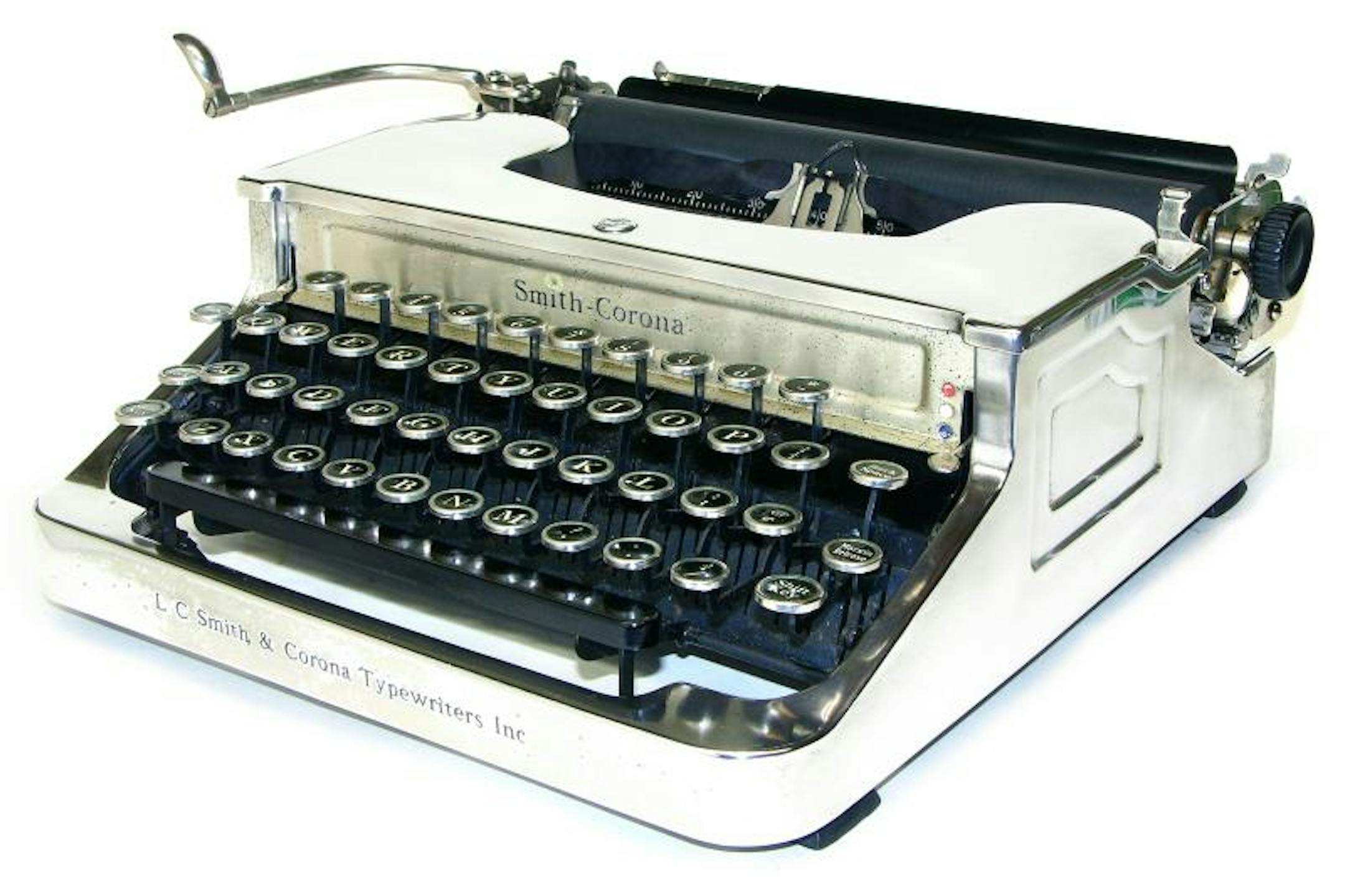
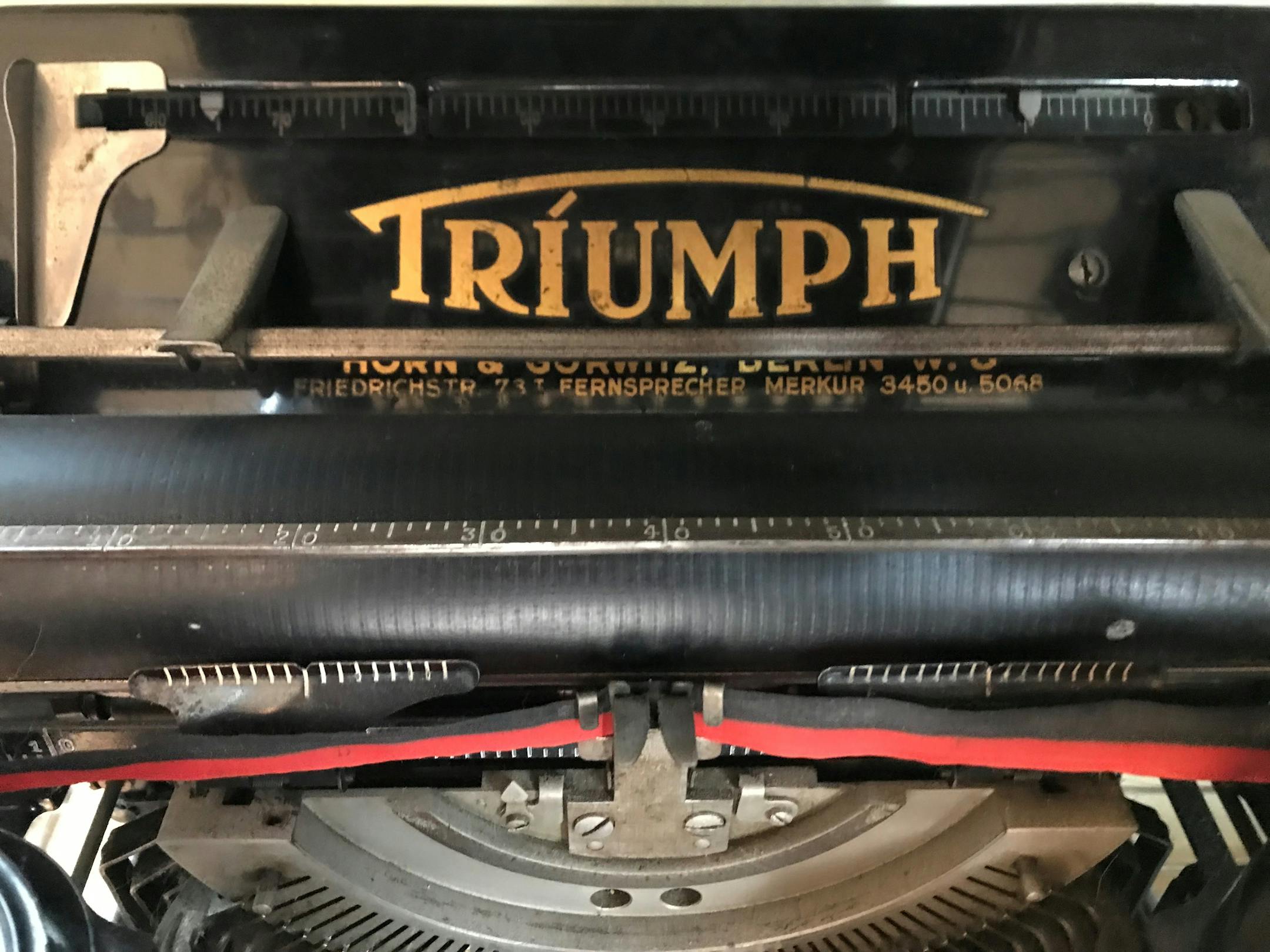
Whole rooms of his Zumbrota house are devoted to displaying typewriters that date back to the late 19th century and include rarities like a Smith-Corona with a body made of solid sterling silver, a typewriter with a clear plastic body intended for use by prison inmates and a typewriter made in Nazi Germany that can print the insignia of the SS. He has early typewriters made by Remington, the forerunner to the firearm company, and Triumph typewriters, produced by the motorcycle maker.
Minneapolis typewriter fan Charlie Maguire practices what he calls “extreme typing,” which involves hauling a vintage portable typewriter to bang out stream of consciousness thoughts while standing in a trout stream, or atop a bluff or bridge or in an outdoor sculpture.
Clarence White has written poetry on his typewriter for passersby with whom he interacts at art venues like Northern Spark and the Soap Factory. He also teaches typewriter poetry workshops.