

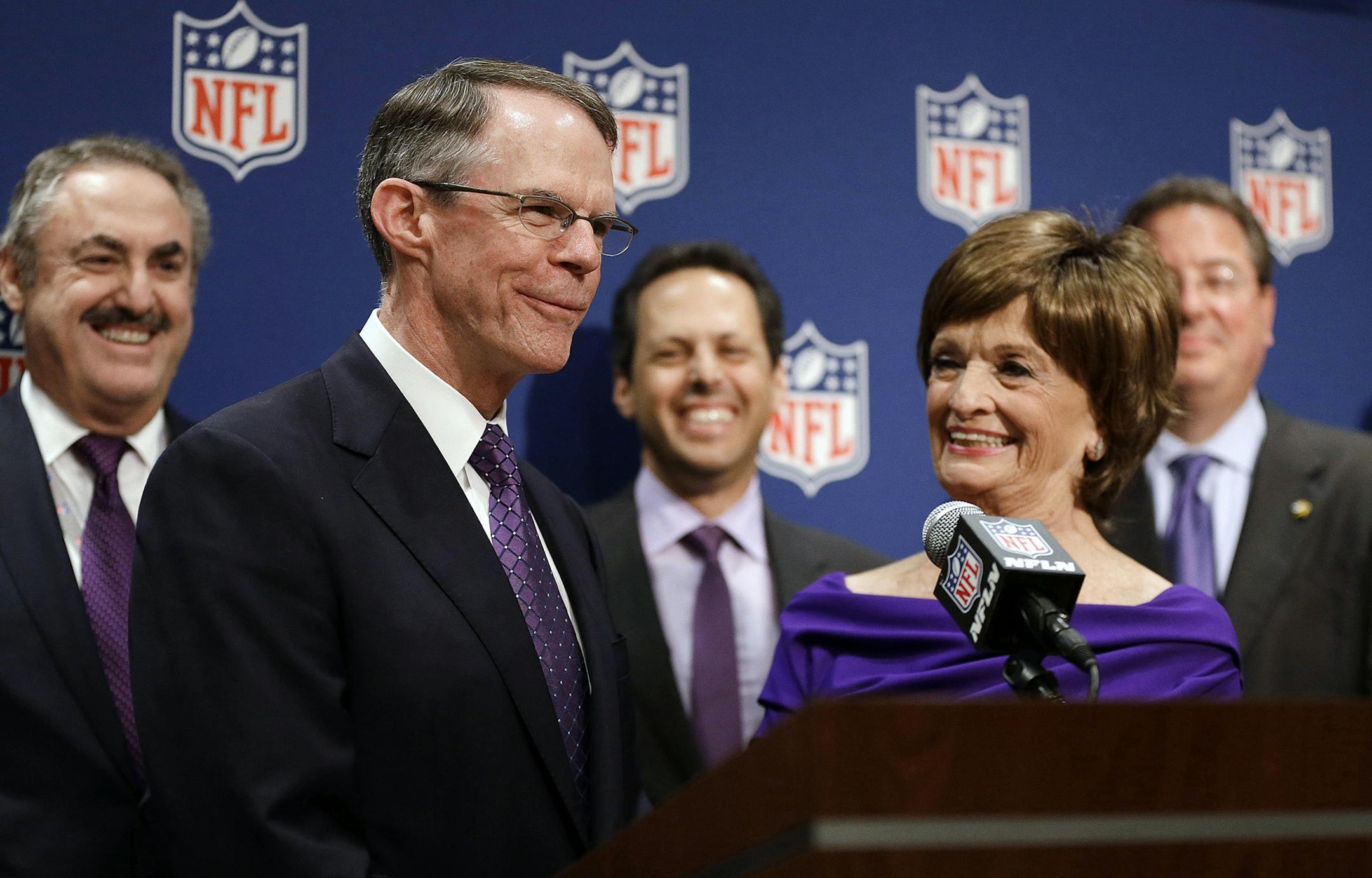
Super Bowl superlatives may sound like hype. But the Big Game, which will be played in Minneapolis in February 2018, is just that, at least in terms of TV viewers and social media usage. The question isn't if Super Bowl LII will be the most-watched event of the year, but ever. And with big sports and award telecasts spiking social media usage, it may generate the most posts and tweets, too.
While most of the focus will be on the game and the game within the game — Super Bowl commercials — the site will be spotlighted, too. Scores of reporters will file stories on the Twin Cities, which has a lower national profile than most similarly sized metro areas.
"The Super Bowl is a huge opportunity and platform," said Christine Fruechte, CEO of Colle+McVoy, a Minneapolis-based advertising agency. And not just for marketers — for Minnesota, too. "It's a pinnacle moment to either define what the Twin Cities is, and/or to dispel myths."
The definition and the myth is one and the same for some — the weather. This is especially true for many national observers, and even some locals who are still chilled after the polar vortex of 2014. The pitch committee recognized this, addressed it head on — and won.
So it's likely that during Super Bowl week there will be a winter activity blitz (a blizzard can't be ruled out, either). If coordinated, quintessentially winter events like the City of Lakes Loppet ski festival and the U.S. Pond Hockey Championships in Minneapolis, as well as the Winter Carnival and even an ice castle in St. Paul can become international images of how to thrive, not just survive, a Minnesota winter.
It's a smart approach. Authenticity matters in marketing, and more than any metro region in America, it seems that the Twin Cities concurrently endures and enjoys winter.
But branding the Twin Cities shouldn't begin and end with winter, cautioned Michael Hart, co-founder of mono, an ad agency housed in Minneapolis' Uptown neighborhood.
"I think Minneapolis is a bigger brand than winter," Hart said. "From a branding standpoint, to focus in on a weather-centric part of what defines us and makes us Minneapolis, I think is a missed opportunity. I'd rather people be left thinking, 'I had no idea how great the arts community is.' "


