

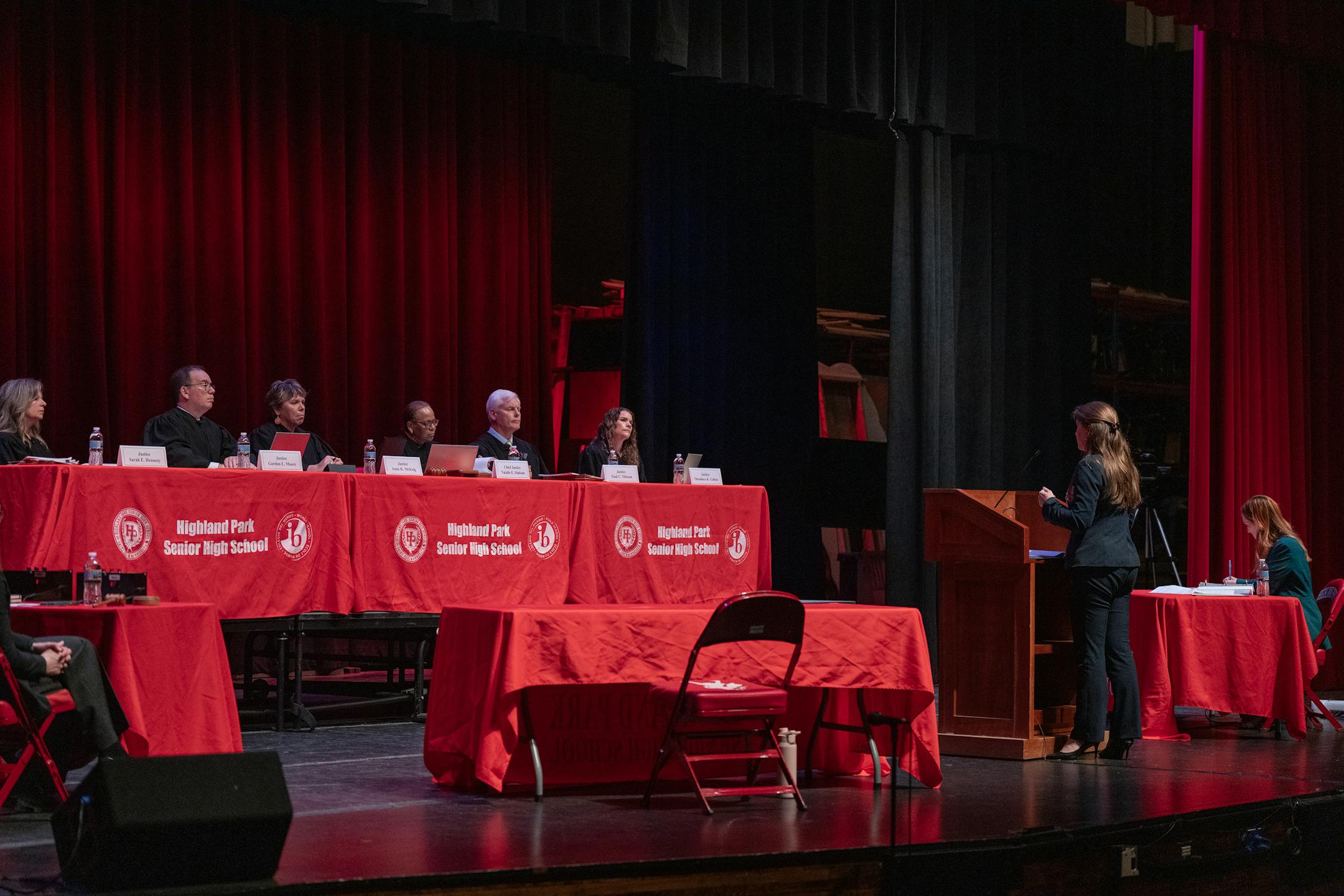
A unanimous Minnesota Supreme Court ruling Wednesday highlighted the state’s ongoing dilemma over the lack of available bed space for criminal defendants found to be mentally ill and unfit to stand trial.
The opinion determined that counties are responsible for the legal fees of defendants who file petitions to force the state to place them in a treatment facility. The justices recognized this will place a financial burden on counties across Minnesota. Justice Karl Procaccini recused himself from the case.
While the state government controls who gets placed into treatment facilities, the lack of available beds has left counties housing mentally ill people who are incompetent to stand trial. Lawyers for those defendants fight to get them into treatment facilities, where they are legally obligated to be housed.
Even when counties and district court judges agree that a defendant should be in treatment, they have been told, time and again, that district courts have no authority to force the state to place people who’ve been found incompetent to stand trial.
The Supreme Court opinion highlighted the Legislature’s role in this problem and likely responsibility to solve it.
Scott County Attorney Ron Hocevar, whose case was at the center of the Supreme Court ruling, said he disagreed with the opinion but thought the court zeroed in on the larger issue.
“For the state to make us pay for something we have absolutely no control over I think is going to be a huge burden,” he said. “The Legislature has to deal with this, as far as what to do with people who are committed. The facilities we have are completely inadequate. They know it. Everyone knows what the issues are. They have to take care of it.”
Hocevar said the county is often trying to help a defendant who is mentally ill and in need of treatment, but “in limbo” awaiting placement.


