

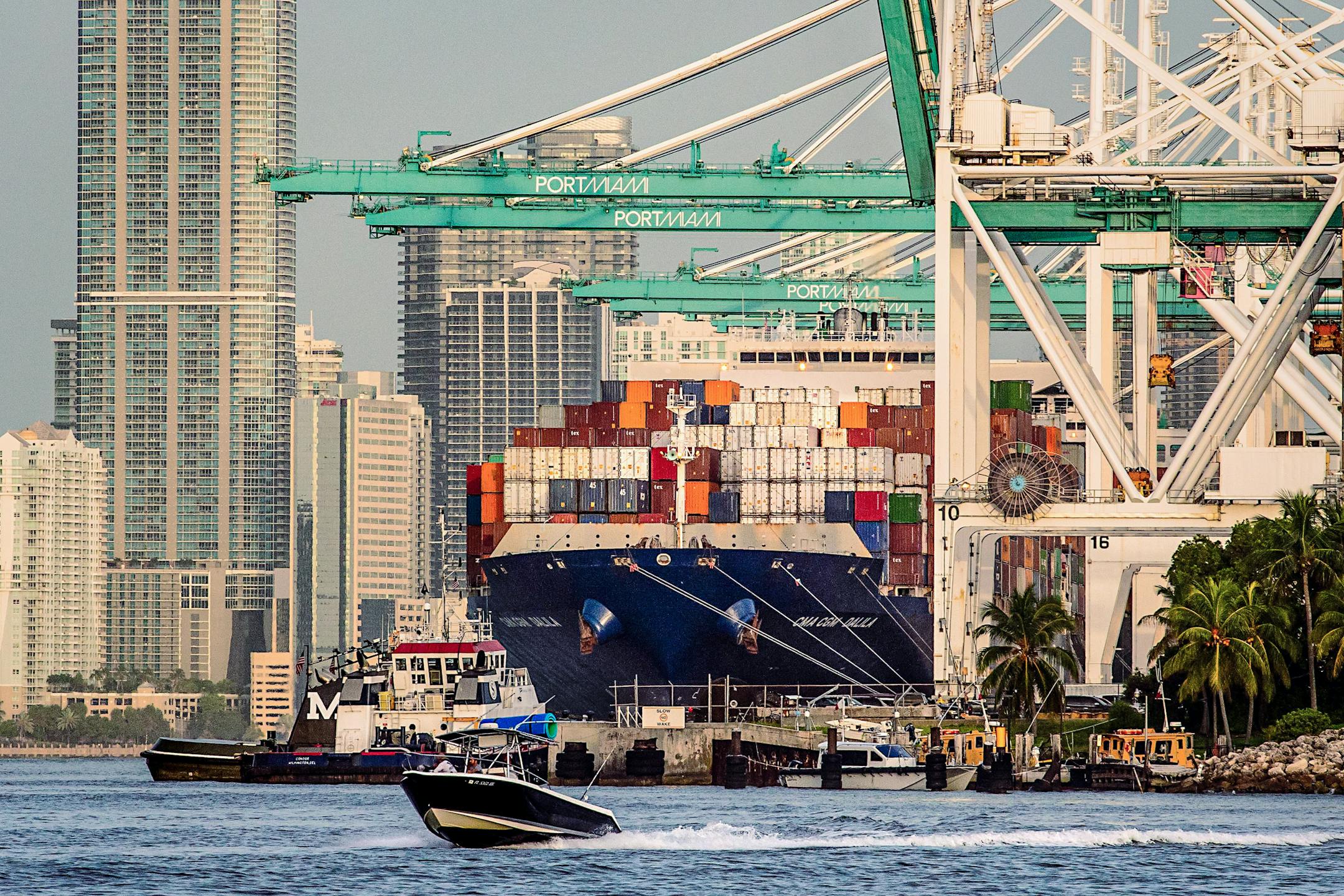
The big backup of ships at West Coast ports has finally subsided and shipping rates have come back down to Earth.
So that means the supply-chain woes of the last year or two are fixed and this uncomfortably hot inflation we've been experiencing will soon be over, right?
Not quite. But it should help.
"There's a lot of signs that it has eased, but I wouldn't necessarily call it mission accomplished at this point," said Omair Sharif, a Los Angeles-based financial analyst who has specialized on inflation for two decades. "It seems like every time things get better, other things crop up."
Airlines are grappling with a pandemic-induced pilot shortage as well as delayed shipments of new planes. Trucking firms lack drivers. At the same time, the war in Ukraine and strong consumer demand are also driving inflation.
The forces behind high prices now are less about supplies, logistics and goods, Sharif said. "We've moved to services inflation as being the bigger driver," he said, referring to things like housing and medical care.
After the Federal Reserve hiked interest rates by another three-quarters of a percent last week, Chairman Jerome Powell noted that goods-related inflation hasn't come down as much as policymakers expected given how much supply-chain issues have been resolved.
"The inflation picture has become more and more challenging over the course of this year," Powell said in explaining why the Fed was still aggressively tightening policy.



