Just about every crop in Minnesota is a week or two behind schedule this year because of the late spring. That includes Minnesota's official state grain: wild rice.
Wild rice harvesting opened last weekend, but most rice stands are not ripe yet. The Minnesota Department of Natural Resources estimates that peak harvesting dates will be in early to mid-September as long as the weather remains mild.
DNR officials said people who harvest rice may want to scout areas ahead of time because some stands that were abundant last year may not have any harvestable rice in 2014.
"Early and sustained high water levels this year have hurt some rice beds," said David Kanz, DNR assistant wildlife manager in Aitkin. "As water levels continue to come down, we'll have to watch how the rice responds and see if there is enough growing season left for it to recover."
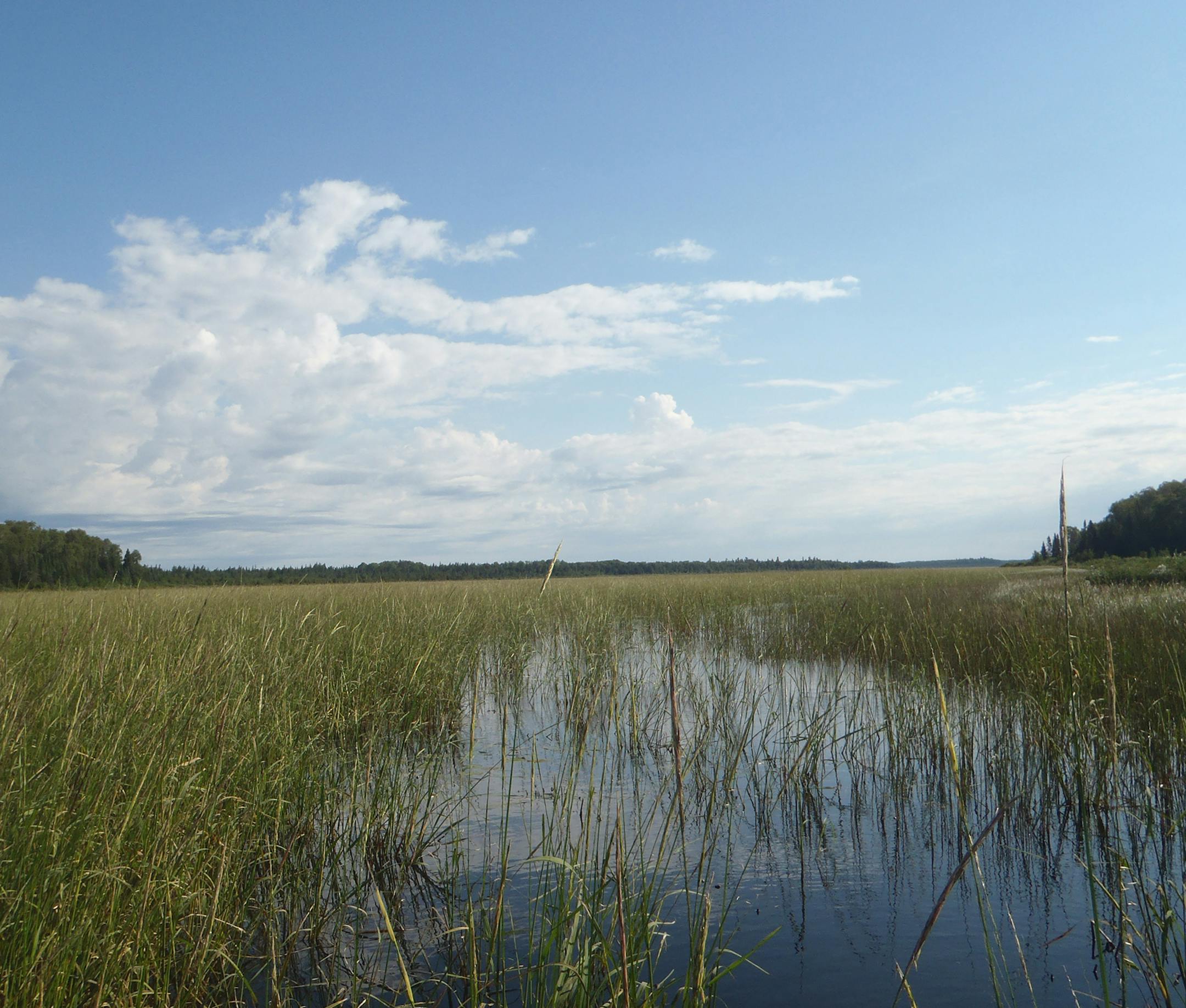
More than 1,200 lakes and rivers in 54 counties contain wild rice, with the largest concentrations in north-central Minnesota's Aitkin, Cass, Crow Wing, Itasca and St. Louis counties.
Harvesters on public waters need an annual $25 license to collect the rice, and the season is open from Aug. 15 to Sept. 30. Last year, 1,506 people obtained seasonal licenses, and about 350 received one-day resident or nonresident licenses. That's down from an average of 2,000 seasonal licenses per year in the 1990s and more than 10,000 per year in the 1960s, when licenses first began to be required.
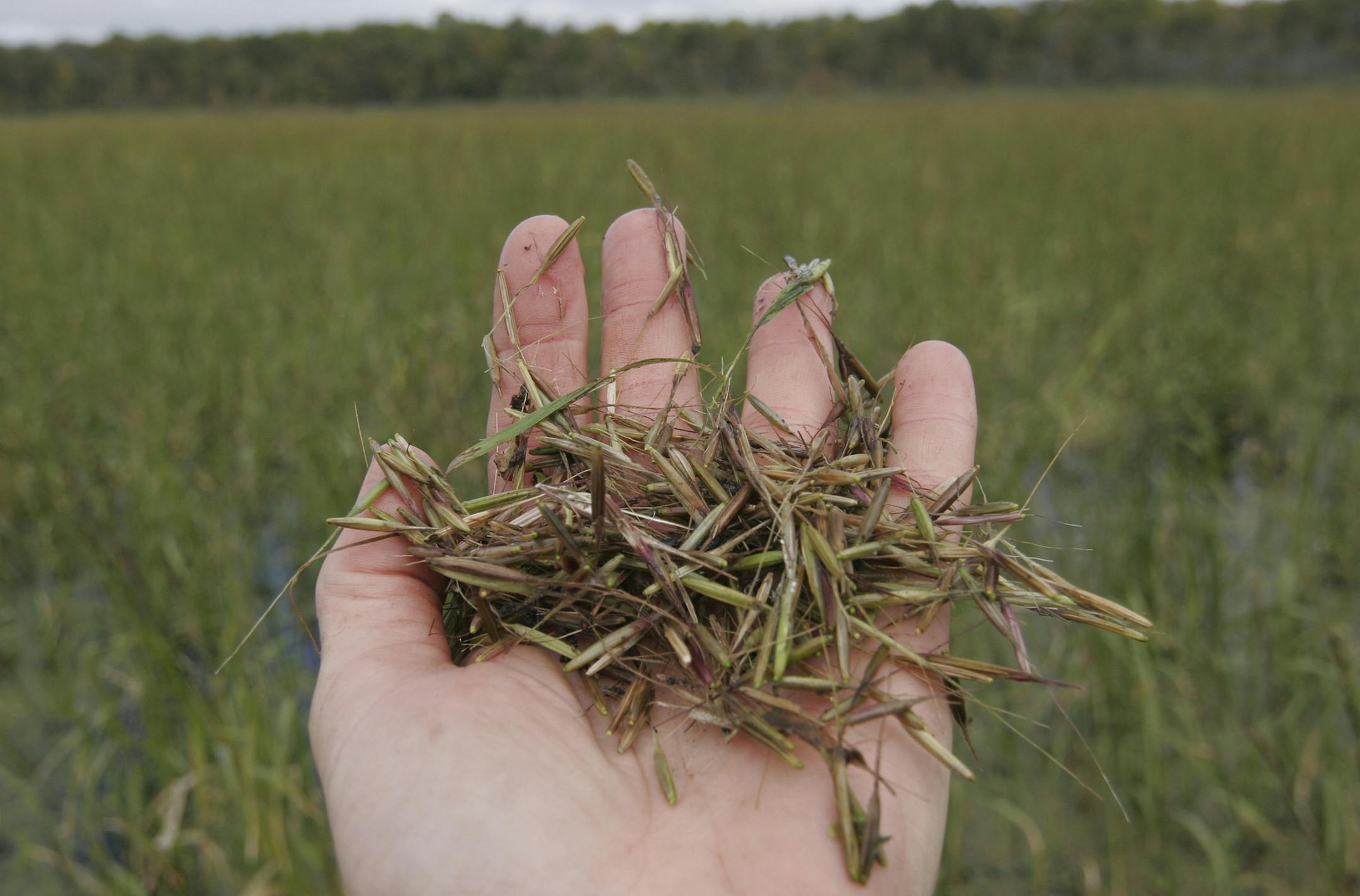
Getting the rice requires a nonmotorized canoe, no more than 18 feet long. Gatherers must use push poles or paddles for power. Wild rice is collected by using two sticks, or flails, to knock mature seeds into the canoe. It is illegal to harvest unripe rice.
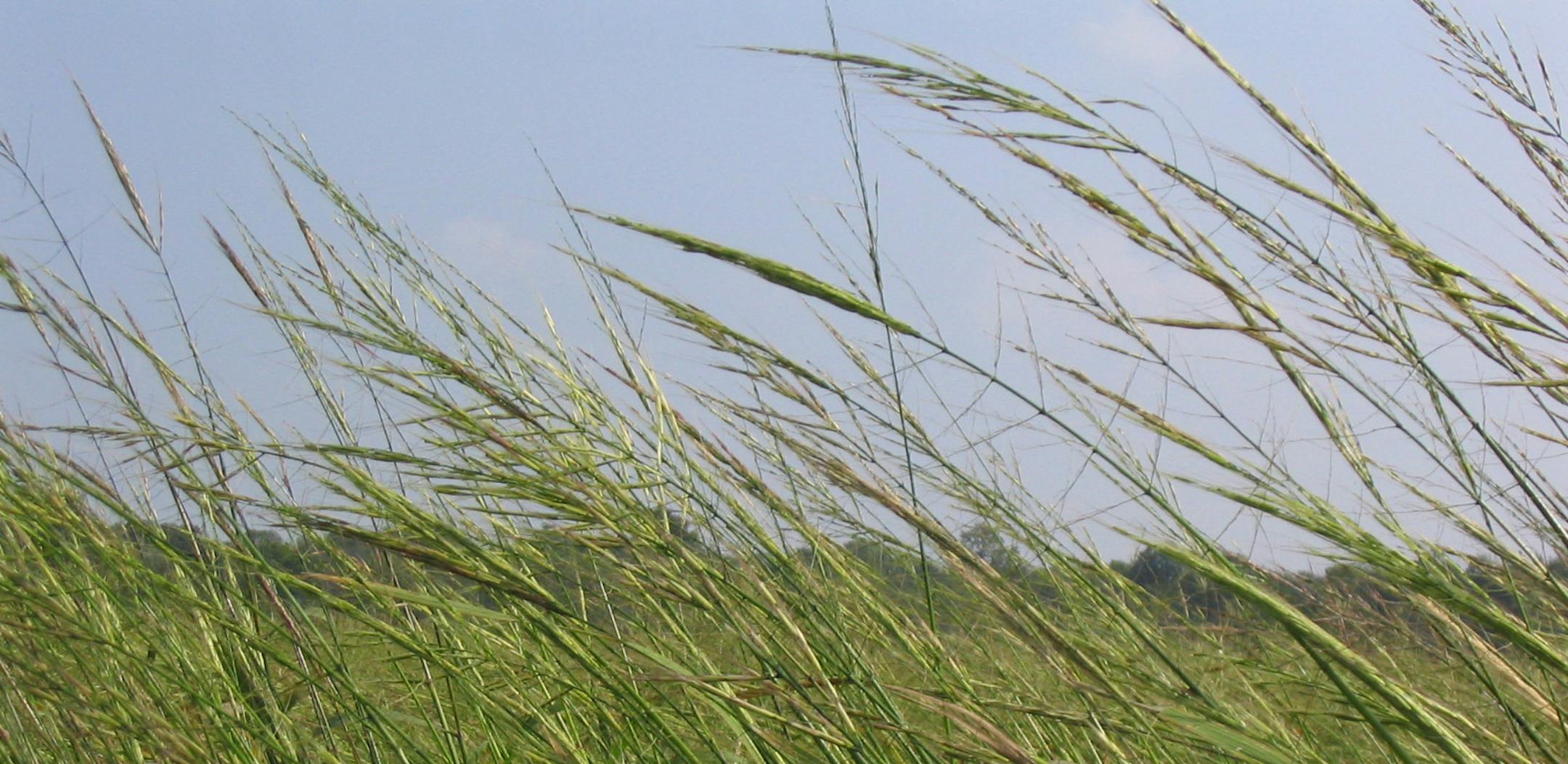
Wild rice is actually the seed of an aquatic grass that is the only cereal grain native to North America. It reproduces each year from seed dropped the previous fall, and typically grows in water 1 to 3 feet deep.
![TOM WALLACE • twallace@startribune.com Assignments #20017703A_ April 30, 2011_ SLUG: market0505_ Cover story is an intro to the farmers market season -- will be called Season Opener. _ IN THIS PHOTO:] Wild rice from northern Minnesota, Scenic Waters Wild Rice: Julie Burns ORG XMIT: MIN2014082109221511](https://arc.stimg.co/startribunemedia/I6DR7ZRCTEFC7KVNQ36EX32NLU.jpg?&w=1080)