

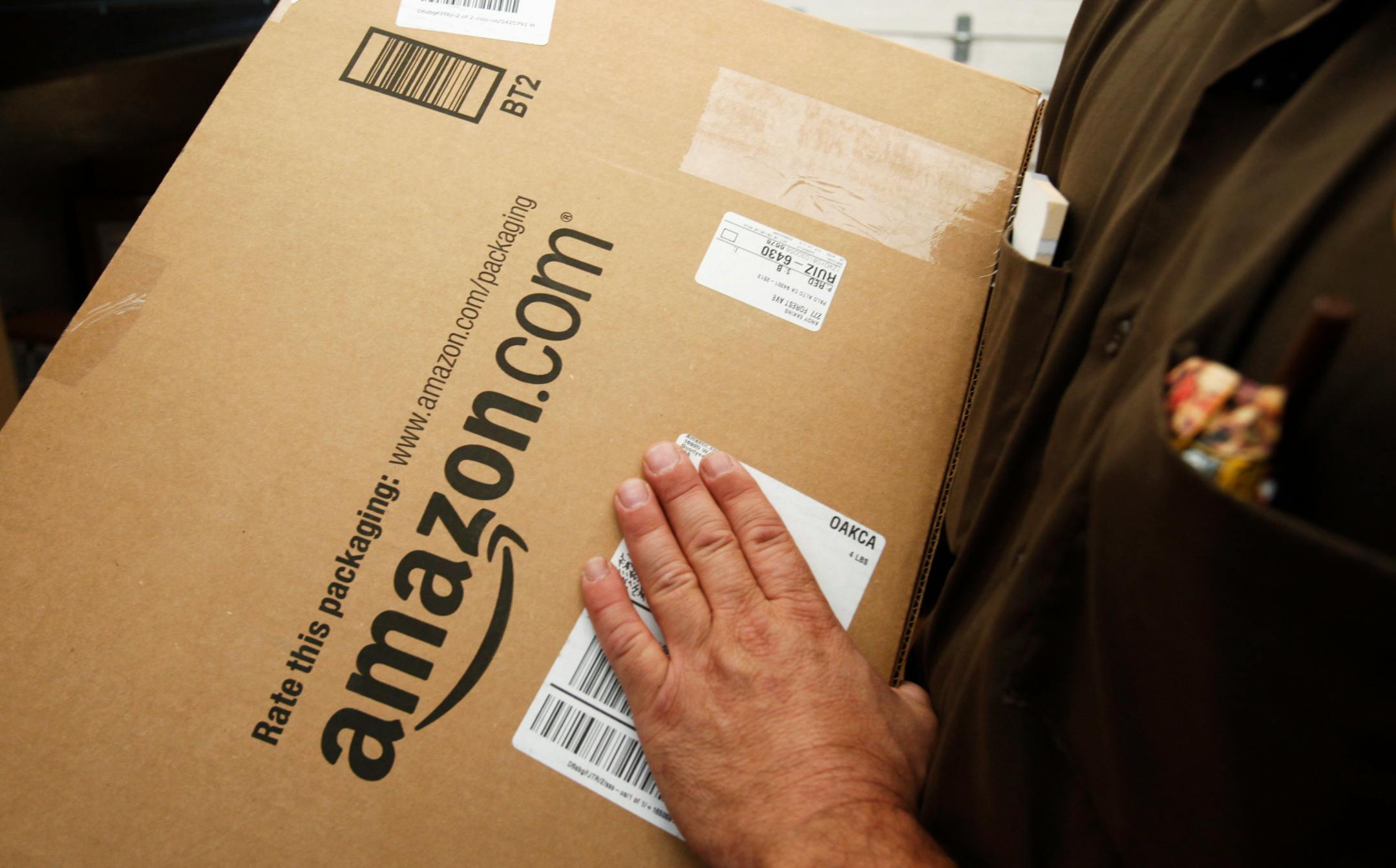
The numbers always seemed screwy to me. If congressional action allowing all states to apply their sales taxes to online purchases would net Minnesota a cool $400 million a year, as the state Revenue Department keeps saying, why was the new "Amazon tax" only slated to bring in about $5 million per year?
The answer became obvious last week. Amazon unkindly cut off its Minnesota-based advertising affiliates with a bare two weeks' notice to avoid collecting sales tax on Minnesota purchases starting July 1.
The state's tax collectors allowed that they were not surprised. They'd been expecting as much from Amazon, said Revenue Commissioner Myron Frans. It's what the tax dodger, er, online retailer has done in at least seven other states. Hence the measly forecast for tax collections from online sellers with Minnesota affiliates.
(The official name for the new sales tax provision is "affiliate nexis." It's not a new tax, but a new requirement that when an online seller has a Minnesota affiliate, the tax on its Minnesota sales must be collected by the seller at the time of purchase, rather than being reported and paid later by the consumer — as all consumers faithfully and fully do every year, right?)
The Revenue Department had been urging enactment of the Amazon tax since DFLer Mark Dayton became governor, even though it was known to be tricky to forecast and fairly easy to dodge.
Truth be told, much the same can be said of most of the $1 billion or so in annual tax increases enacted by the 2013 Legislature.
For example, the howl that went up from the warehouse industry about a sales tax that will start applying next April to its business-to-business transactions was accompanied by credible threats that warehouses would move to Hudson, Wis.
Even before the session ended, tax planning seminars popped up offering to coach well-heeled Minnesotans about ducking the new 9.85 percent income tax rate. It will apply this year to that portion of taxable incomes exceeding $250,000 for joint filers and $150,000 for single filers.


