Back in the 1950s, hospital-equipment repairman Earl Bakken wasn't afraid of the sight of blood. He had a locker next to the surgeons, and he would often keep the doctors' equipment running during procedures or design devices to order.
At the same time, war veteran and University of Minnesota surgeon Dr. Walt Lillehei wasn't afraid to risk patients' lives to pioneer new ways to fix broken hearts. Lillehei's supervisor, surgery chief Dr. Owen Wangensteen, encouraged doctors to try ideas that many in the medical establishment saw as too risky.
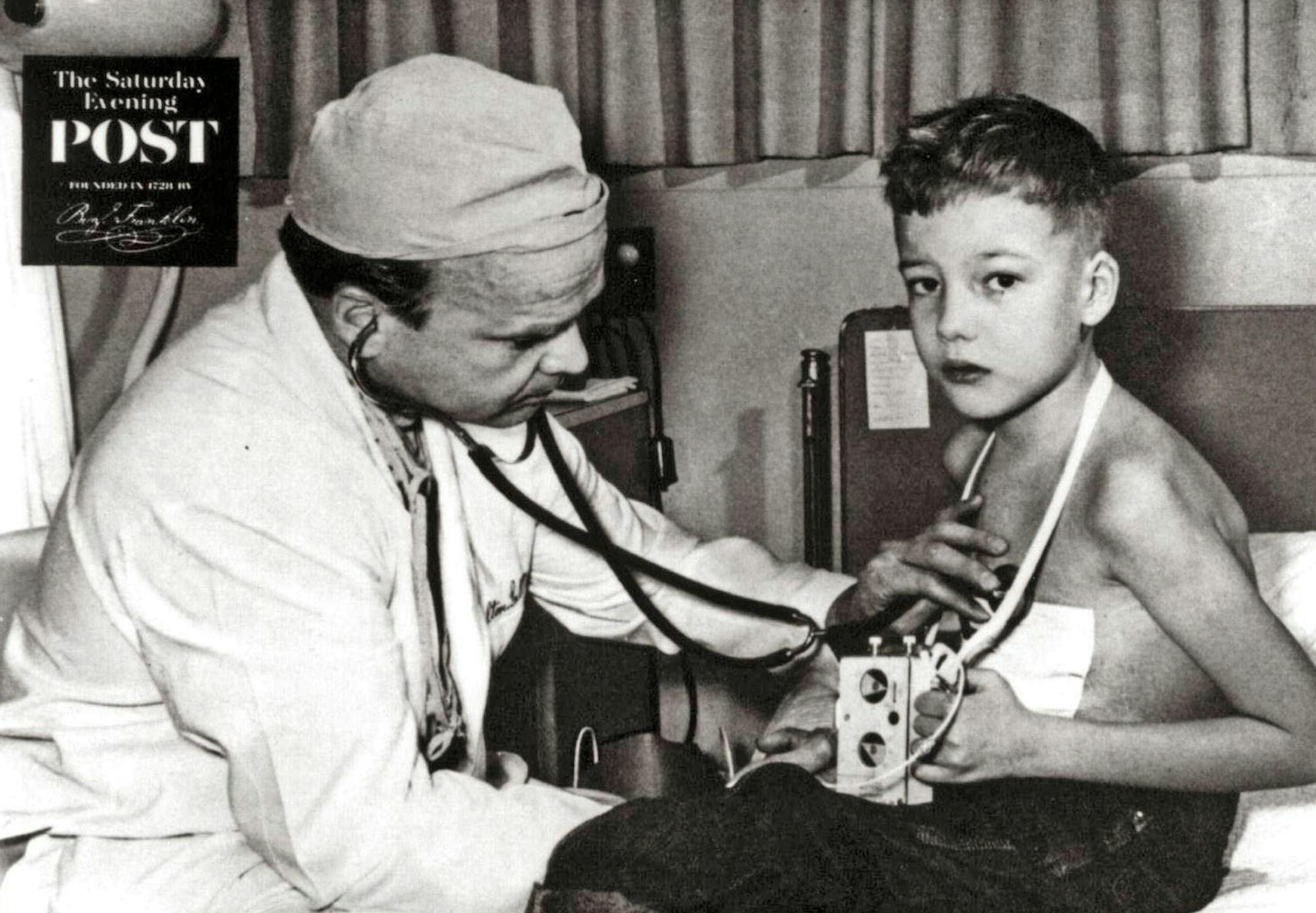
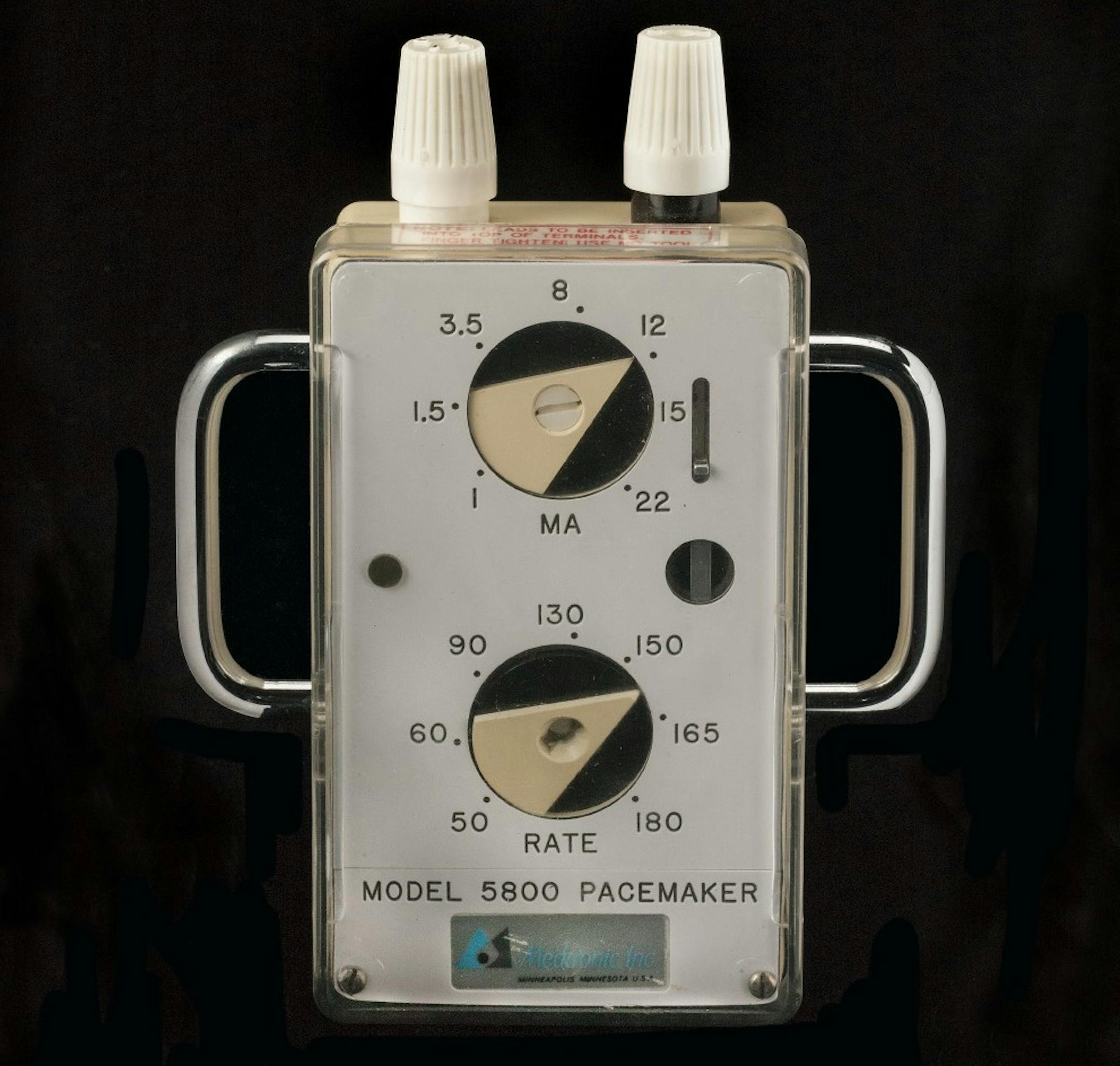
Some of the things they did could never happen today, like Lillehei's decision to use the world's first portable battery-powered pacemaker on a patient just four weeks after Bakken custom-designed it in his northeast Minneapolis garage in 1957.
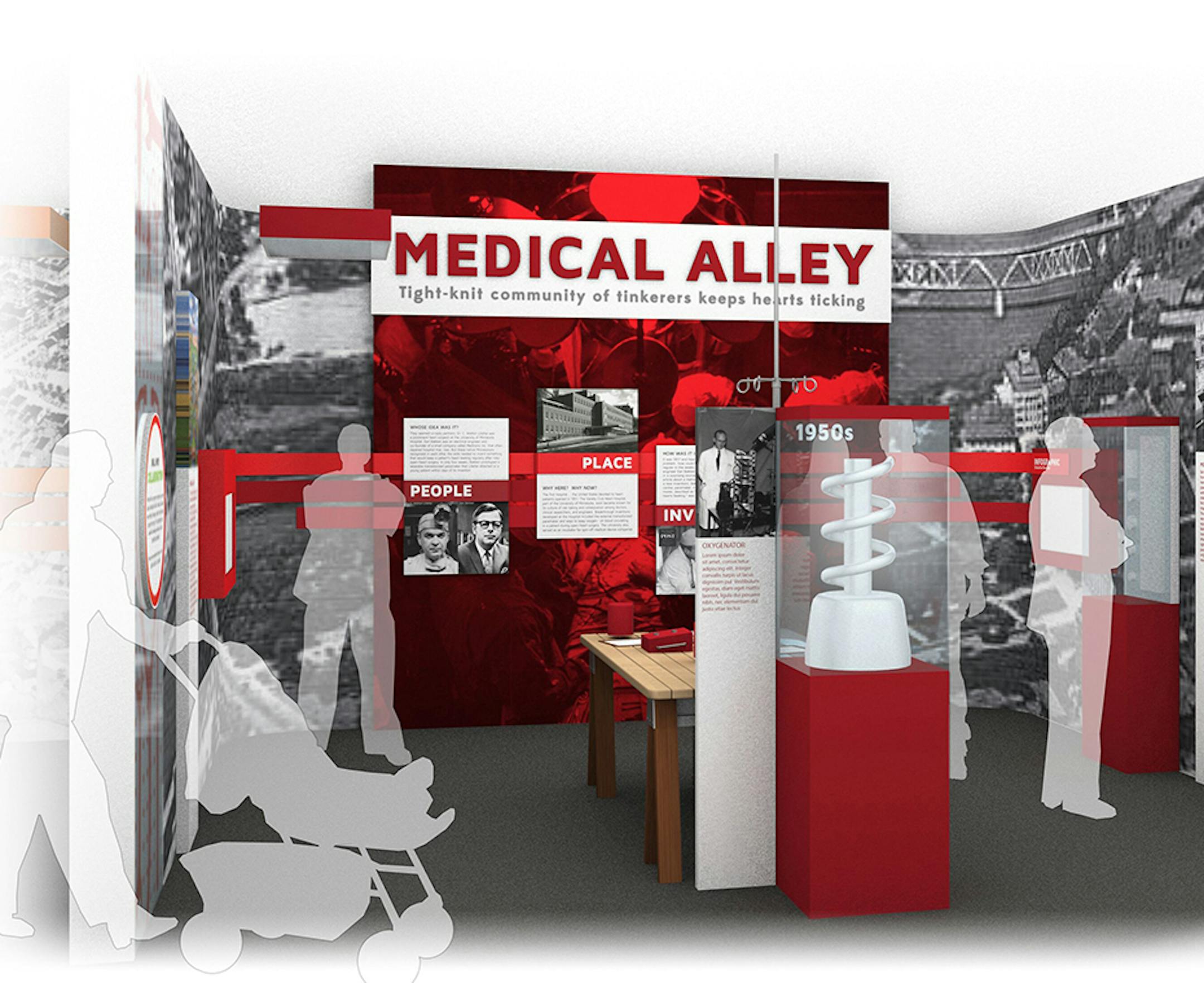
Yet on July 1, the Smithsonian's National Museum of American History will shine a flattering spotlight on medical innovation and risk-taking in 1950s Minneapolis in a new exhibit called "Places of Invention."
"We are trying to get at these good story nuggets, that have a strong sense of place, of critical mass of people and resources and ideas, that had this sort of moment of fluorescence," said Monica M. Smith, project director for the exhibit in the American history museum's newly renovated west wing.
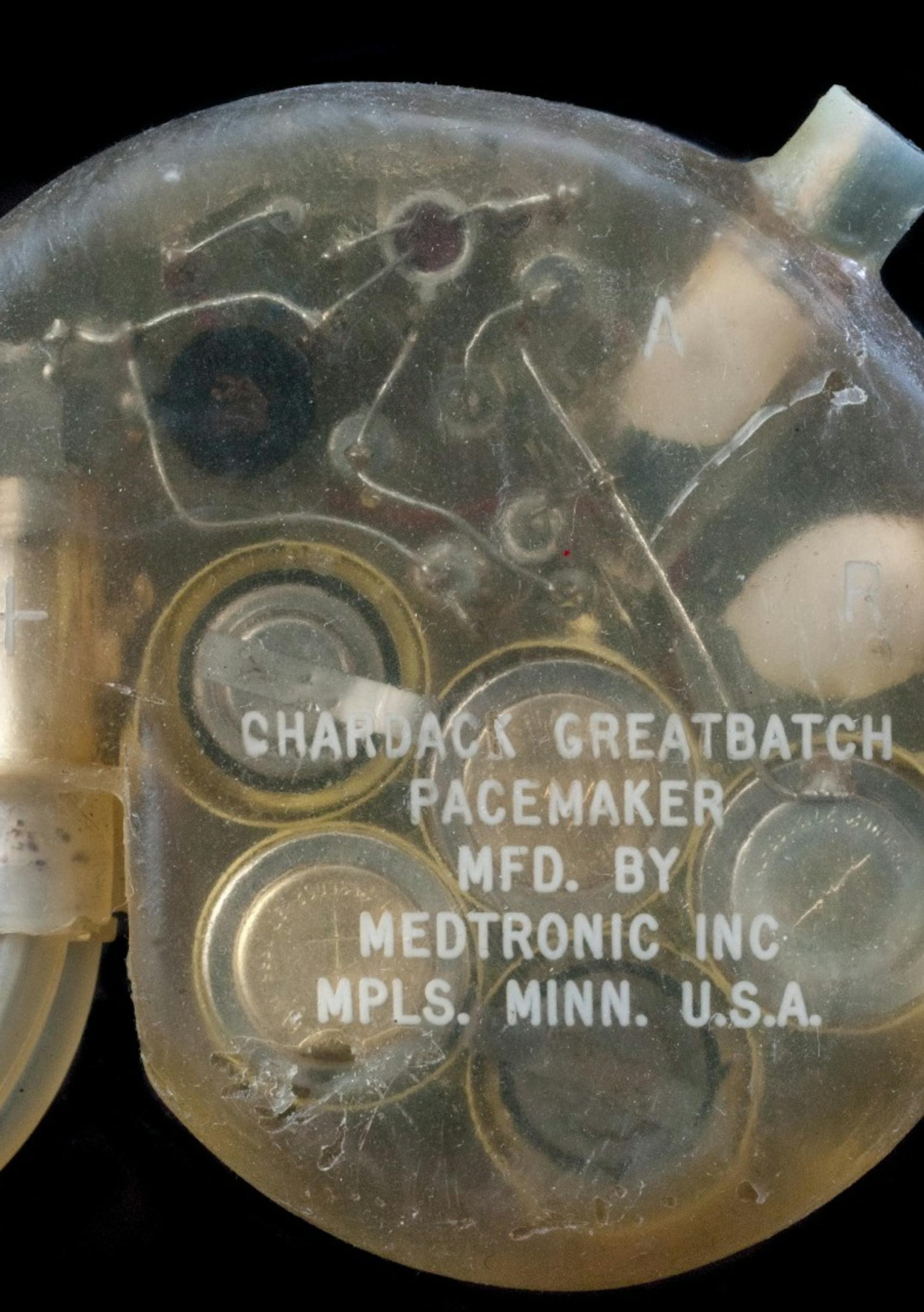
Bakken went on to found Medtronic, which spun off dozens of other med-tech companies on its way to becoming the world's largest medical-device company today. Several early Medtronic pacemakers will be on display in the national history museum, whose holdings from inventors include a Thomas Edison lightbulb and an Alexander Graham Bell telephone.
"It's an exciting testimony to that time in Minnesota. But I think even more importantly, it is hoped that it would be an encouragement to young minds," said Dr. Craig Lillehei, a pediatric transplant surgeon in Boston and son of Walt Lillehei, who died in 1999. "Obviously we're Minnesotans and we are proud of our state, but it is bigger than that."
Synergy in technology
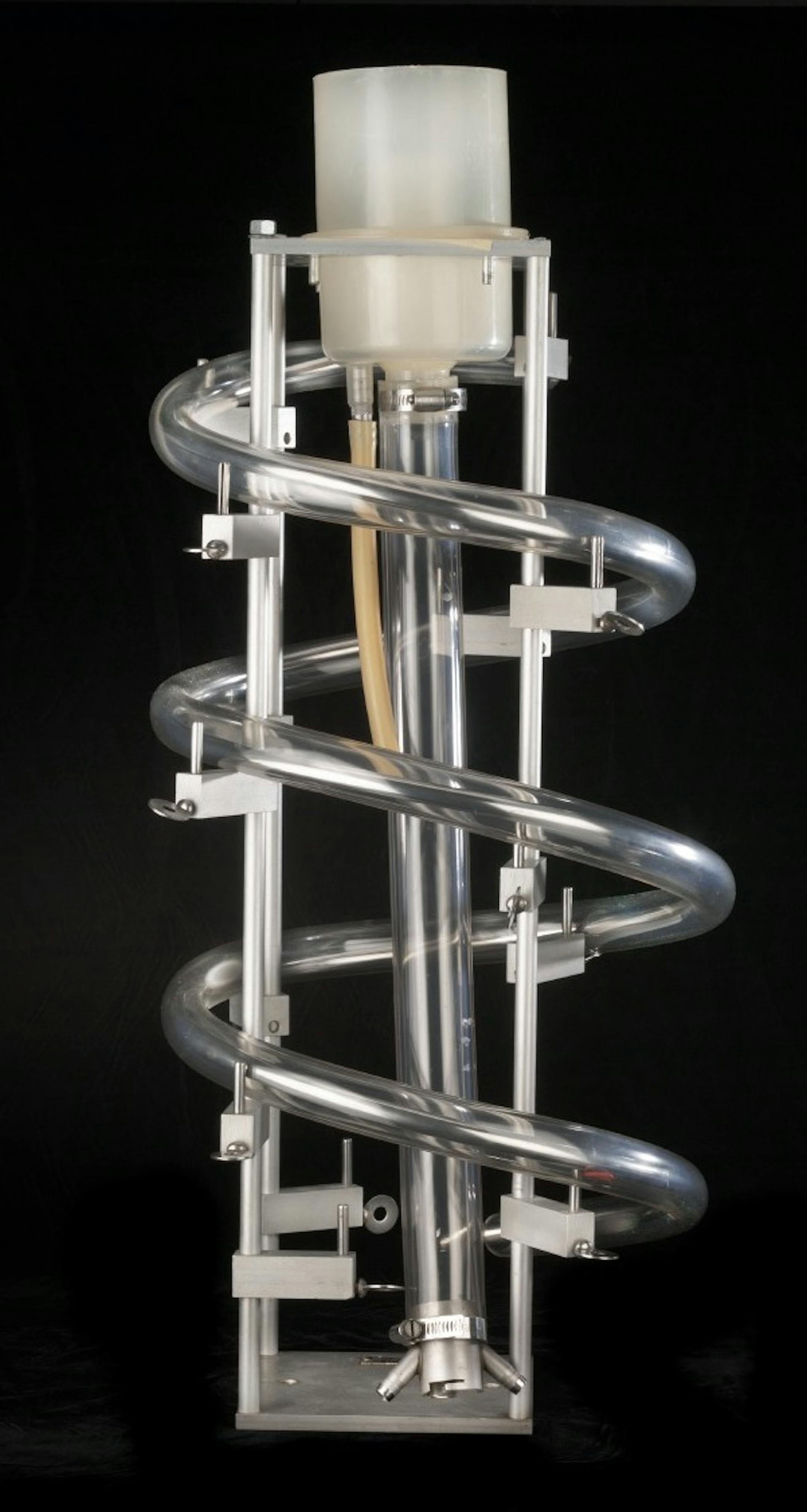
The state's "Medical Alley" med-tech sector bloomed from those early collaborations at the U in the 1950s, which in turn benefitted from the presence of big technology companies such as Control Data. Minnesota will be one of six technology hot-spots featured in the 3,330-square-foot exhibit in Washington, curated by the history museum's Lemelson Center for the Study of Invention and Innovation.