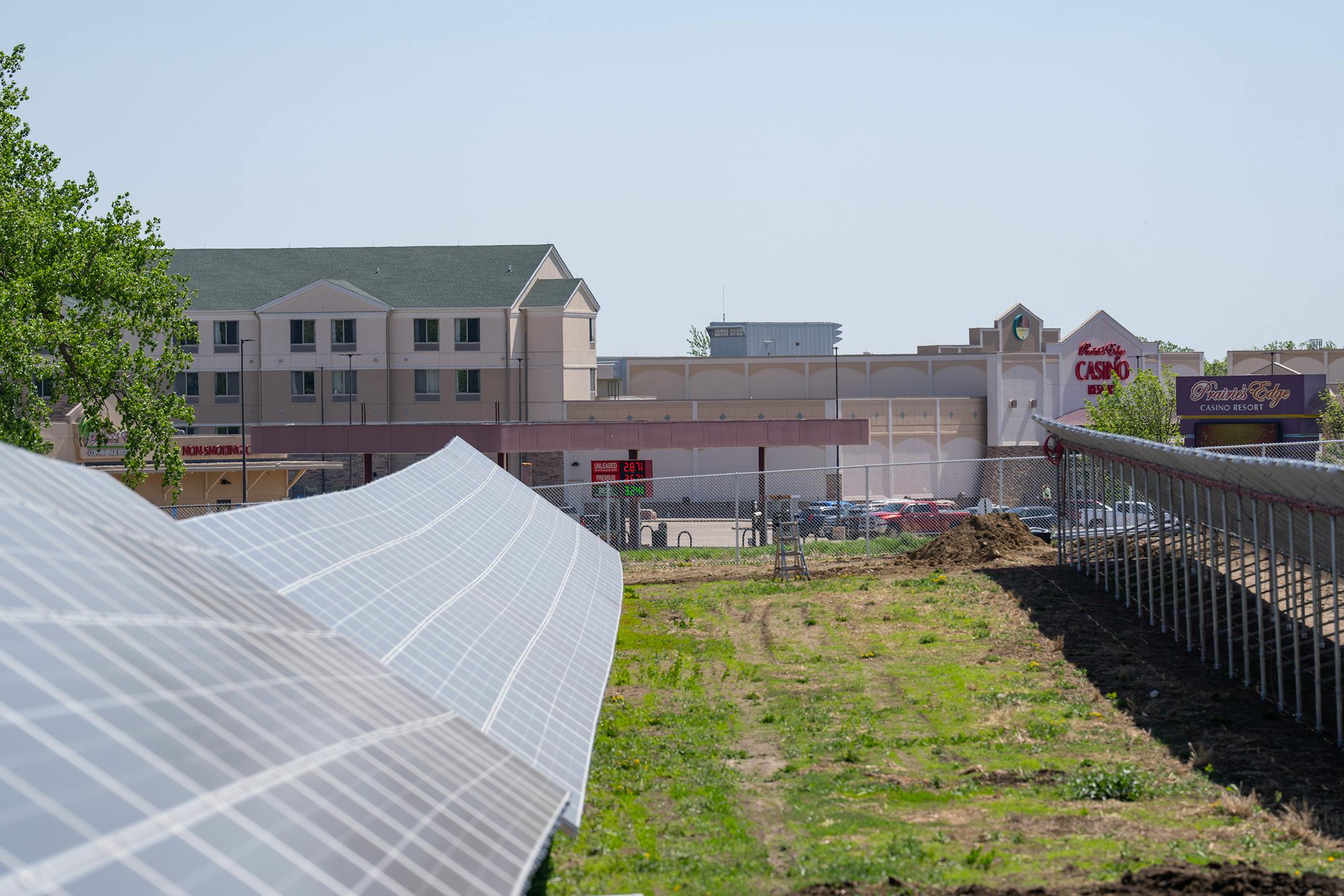
Minnesota utility commissioners castigated a rural electric cooperative this week for threatening to cut power to the Upper Sioux Community’s casino if the tribe turns on a solar array.
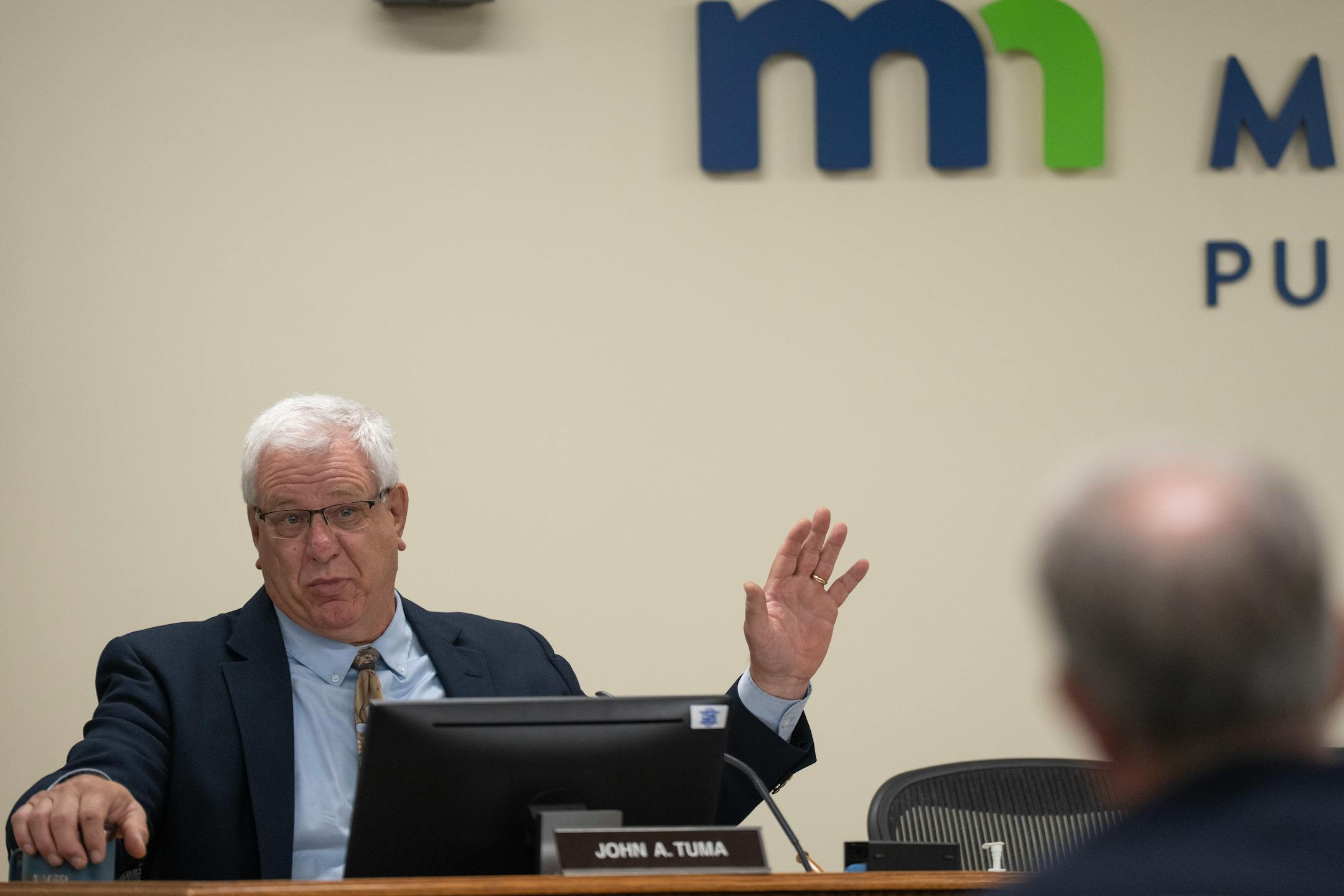
The state Public Utilities Commission (PUC) voted 4-0 to investigate a complaint from the tribal community, which maintains that the threat by the Minnesota Valley Cooperative Light and Power Association is illegal and discriminatory.
The commission said it might resort to the extraordinary step of taking away Minnesota Valley’s right to serve the tribe with power and giving it to another provider, such as nearby Xcel Energy. The commissioners then asked state attorneys to take legal action if necessary to prevent a shutoff.
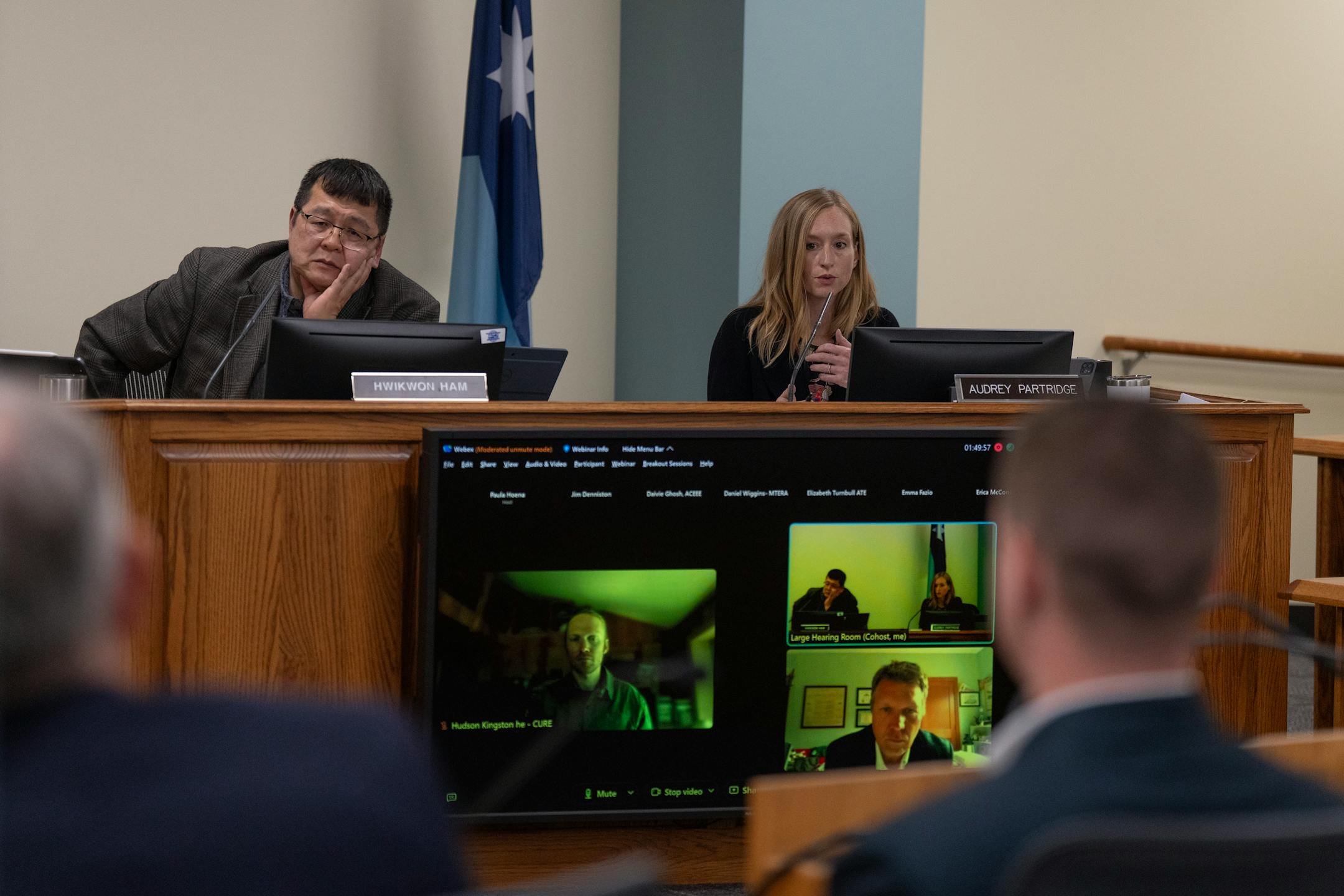
“I am not sure if you’re being discriminatory, but you sure are being unreasonable,” DFL commissioner Audrey Partridge told Minnesota Valley.
“I think you have lost your tether to the purpose of an electric utility,” Partridge said. “You have a privilege to serve your members, not be adversarial and unreasonable to them, not inflict or threaten harm, whether that’s physical or financial.”
It was a decisive win for Upper Sioux, whose solar array near Granite Falls in Western Minnesota is at the heart of a conflict that has pitted assertions of tribal sovereignty against claims that the project breaks state and federal utility laws.
Upper Sioux built the solar array to save money on electricity and support renewable energy. The tribe says it would meet about 30% of the casino complex’s energy needs.
Minnesota Valley, a nonprofit based in Montevideo with about 5,200 members, says its own policies are aligned with state and federal law. State law and the co-op’s policies cap the size of a solar array a customer can hook up to their system, Minnesota Valley argues.