Legislators in Minnesota and at least nine other states are racing to enact online privacy protections after President Donald Trump signed a law that allows internet providers to collect and sell information about customers without their consent.
"It's clearly a fight that's going to be happening nationally," said Sen. Ron Latz, DFL-St. Louis Park. Days before Trump signed the federal bill, Latz persuaded the state Senate to support a measure that would give Minnesotans new online privacy safeguards.
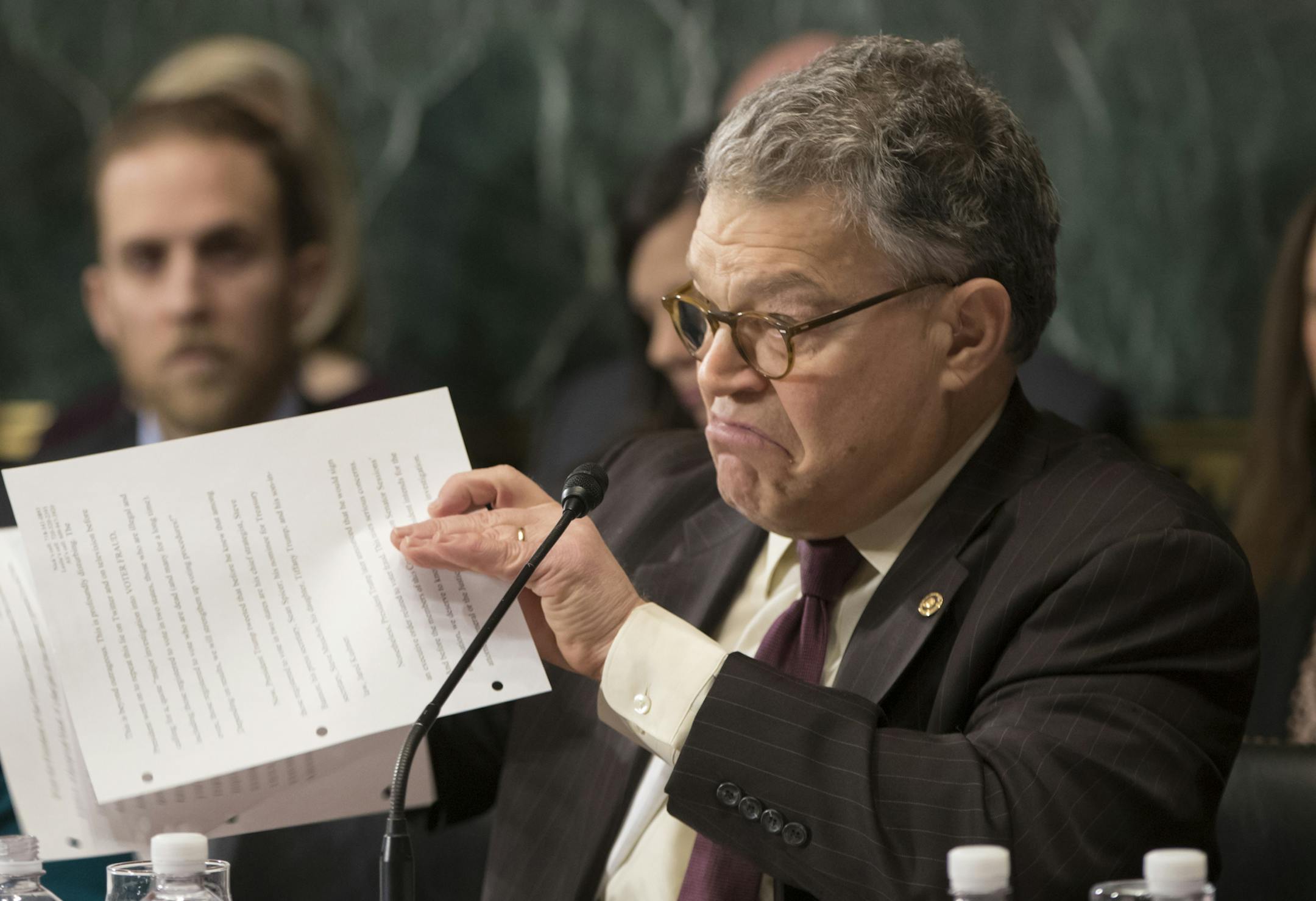
U.S. Sen. Al Franken, D-Minn., co-sponsored a bill introduced April 6 to restore the ban on sales of online data without permission. He called Trump's move "just a corporate giveaway to Comcast, Verizon and AT&T."
"People don't like this and are outraged by it," Franken said in an interview. "We're going to keep fighting."
Privacy advocates warn that the erasure of landmark privacy regulations could be the beginning of a dramatic erosion of rules governing internet access by Republicans.
New privacy rules would have taken effect in December. They were meant to limit broadband and wireless companies' ability to sell customer information — browsing habits, location information and app usage history — to advertisers and other third parties.
Opponents of the repealed rules argue that they would have given Facebook and Google, which have looser privacy limits, an unfair edge over providers like Comcast.
"Those flawed privacy rules, which never went into effect, were designed to benefit one group of favored companies, not online consumers," Ajit Pai, chairman of the Federal Communications Commission, said in a statement.