

Top Democrats in Minnesota are sounding alarm over the danger artificial intelligence could pose to elections and urging Congress to regulate the rapidly evolving technology.
While AI could be helpful for day-to-day operations, leading Democrats say it should not be used to deceive or manipulate voters. The Legislature passed a law earlier this year regulating so-called "deepfake" technology, prohibiting it from being used to depict sexual content or manipulate elections. Now, Minnesota Democrats are urging the federal government to follow suit.
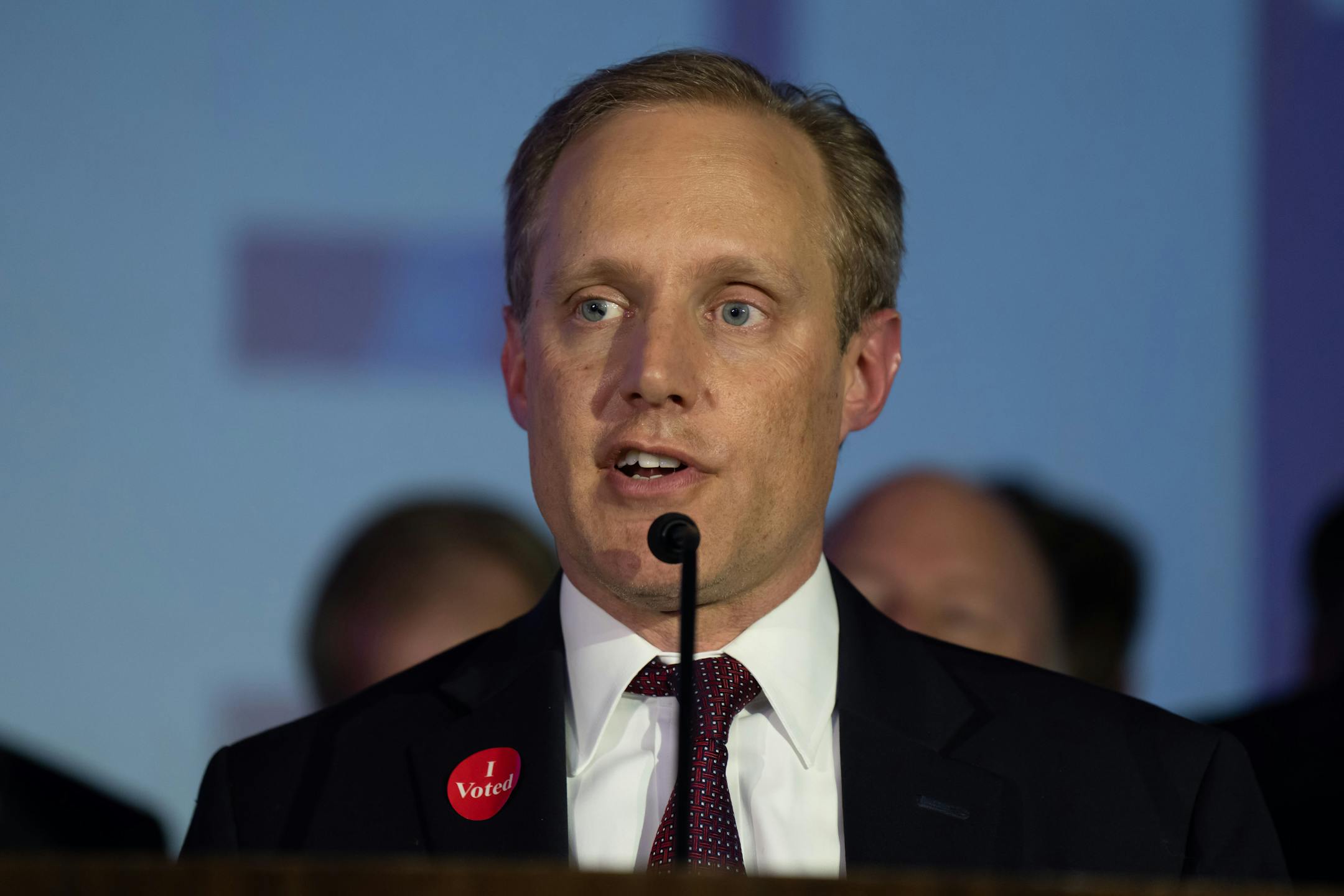
"I think the fear is that in a high-stakes … presidential contest, that there will be an incentive for bad actors to use AI in ways that distort and destabilize the election system," Minnesota Secretary of State Steve Simon said in an interview. "That's what we're up against."
Deepfakes of famous politicians doing things they never actually did have already started circulating ahead of next year's election. Florida Gov. Ron DeSantis' presidential campaign attempted to attack former President Donald Trump with an ad that used fake AI-generated images depicting him hugging Dr. Anthony Fauci. And U.S. Sen. Elizabeth Warren, D-Mass., was the victim of a separate deepfake video that falsely depicted her saying Republicans should not be allowed to vote in next year's election.
Simon shared his concerns about such content during a U.S. Senate committee hearing in Washington, D.C., on Wednesday. The hearing, focused on AI and how it could impact elections, was chaired by Minnesota Democrat Amy Klobuchar.
Klobuchar and a bipartisan group of senators, including GOP Sen. Josh Hawley of Missouri, have introduced legislation to ban deceptive AI-generated content in political ads. She also has pushed a bill that would require a disclaimer on political ads that use AI-generated content.
"With AI, the rampant disinformation we have seen in recent years will quickly grow in quantity and quality," Klobuchar said during the hearing. "We need guardrails to protect our elections."
In an interview, Klobuchar said she hopes the Senate will pass the bill banning deceptive content in political ads by the end of the year. She said she'll seek to include it in a federal budget package.


