1:55
1:55MIAMI – Brad Hand had just finished his sophomore season at Chaska High School when Pat Neshek made his major league debut in 2006. Hand is nearly a decade younger than the Park Center High School graduate. Yet it almost seems as if the Minnesota products are living the same career.
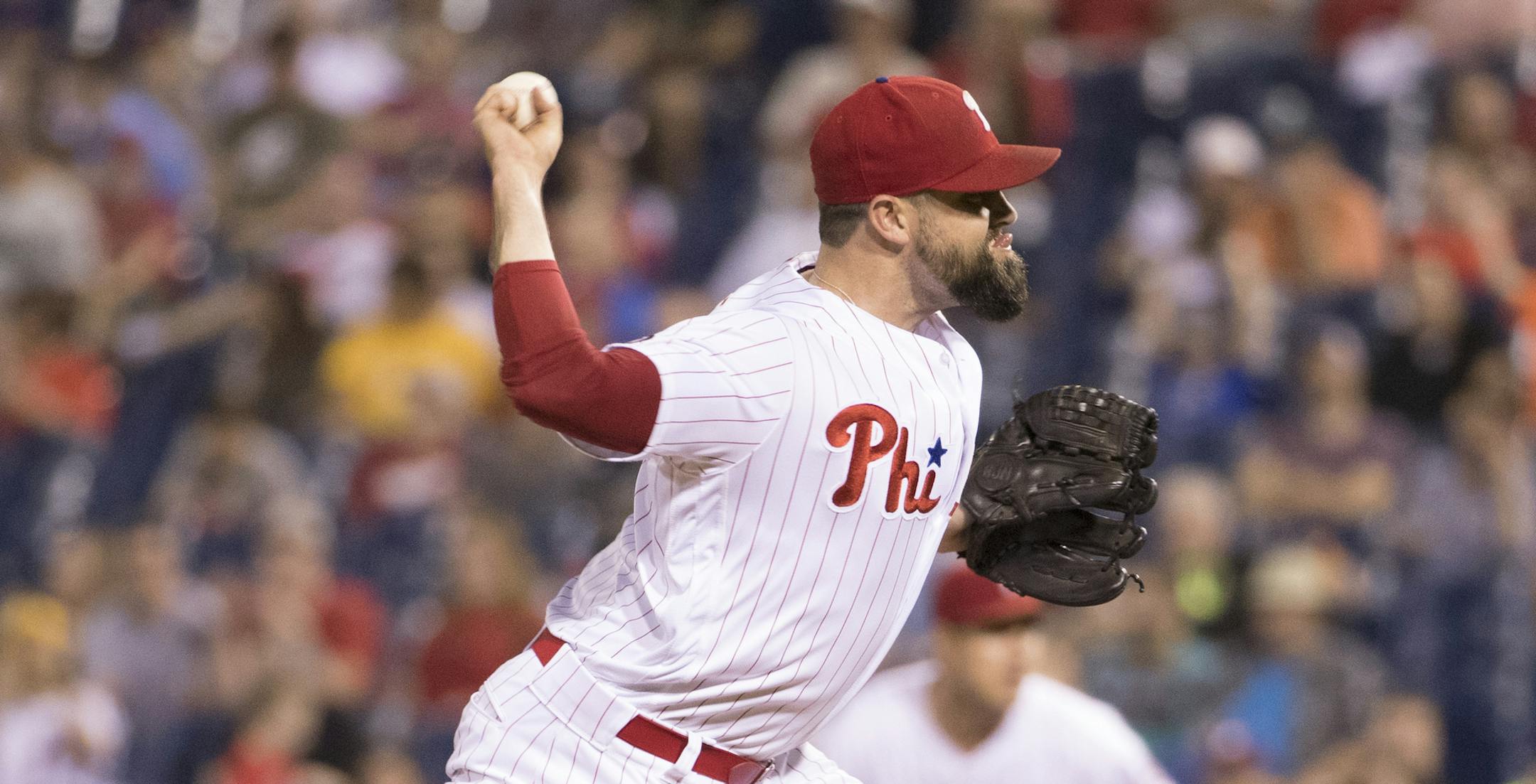
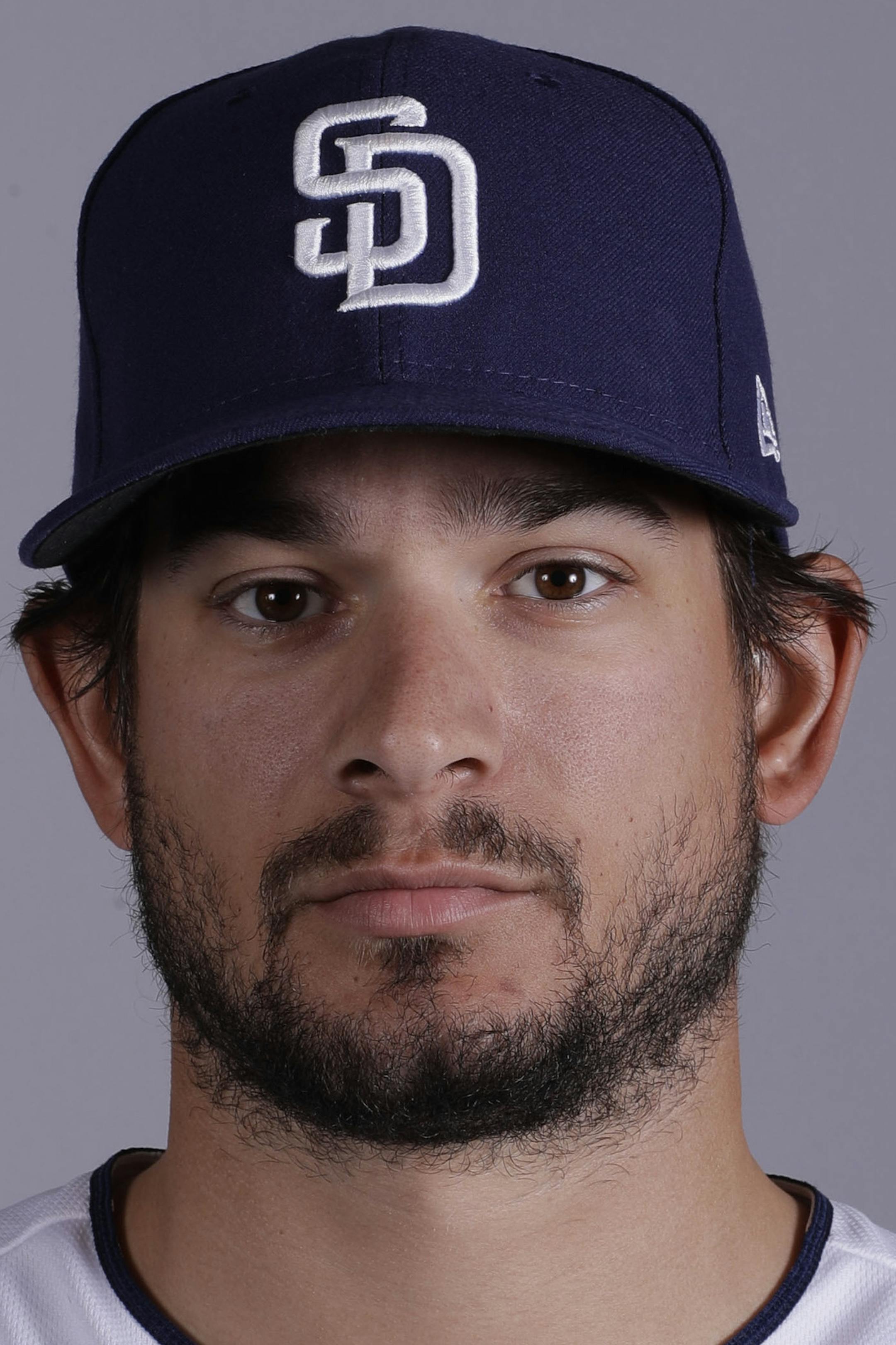
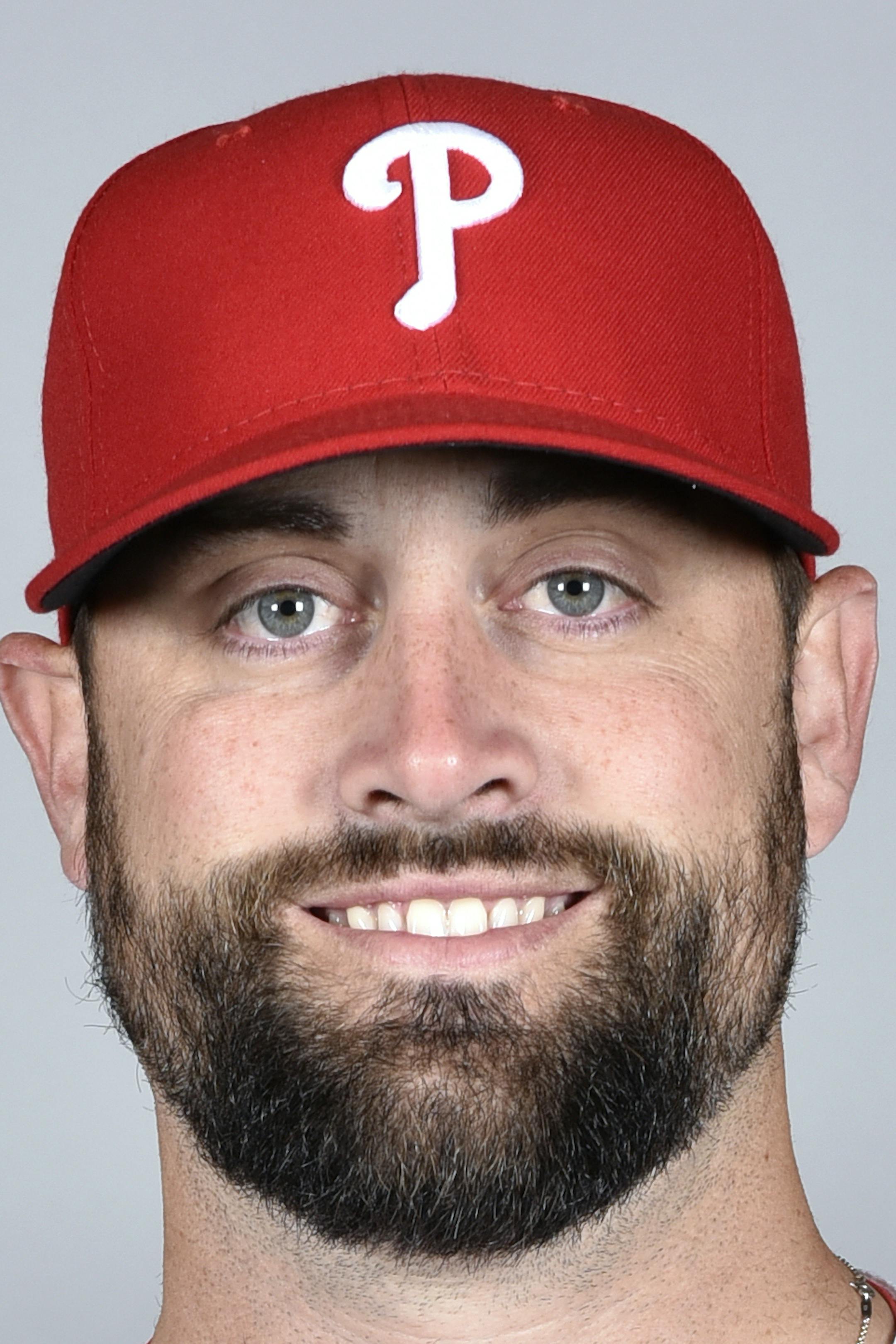
Both were let go by their previous teams, Hand at the beginning of 2016, Neshek at the end. Both credit their development of a slider for the resurgence to their career. Both live a short distance from Marlins Stadium and have thrived in their current situations, Hand with San Diego and Neshek in Philadelphia, which makes them the subject of constant trade speculation as the deadline nears.
And best of all, both are All-Stars. And shocked by that fact.
"It's a little surreal," Hand, a second-round pick by the Marlins in 2008, said of his status as the Padres' lone All-Star representative. "I was sort of a victim of numbers here [in Miami]. Nothing you can do about that, but you've got to adapt and do whatever it takes to stay in the big leagues. It's very good at focusing you."
Same for Neshek, who chafed at being limited to facing righthanders almost exclusively in the Astros bullpen. "I was very miserable there," Neshek said of appearing in only 33 games, a number he's nearly eclipsed already this year. "It's not a secret. I talked with [Houston manager] A.J. Hinch a lot of times last year — 'Hey, is there a possibility of a trade?' … There was no anger. I was just the odd man out."
He has gotten far more work in Philadelphia, though the notion of a second All-Star berth, he says, took him by surprise. "Yeah, I never saw this coming," Neshek said. "It's been a wild year, with [winning] the World Baseball Classic, having our third child, and then making the All-Star Game — it just feels like a magical year."
It's magical for Hand, too, because he has found a formula for success with the Padres, who claimed him off waivers from Miami last year. After trying to be a starting pitcher during his minor league years and the start of his career with the Marlins, he added a pitch, subtracted some innings and started getting more hitters out.
"I was going fastball-curve, and I needed another pitch that was easier to throw for a strike. My curveball was big, but it wasn't in the zone as much. I needed a smaller breaking pitch that was easier to command," Hand said. "I played around with a few slider grips and found something that was comfortable for me."