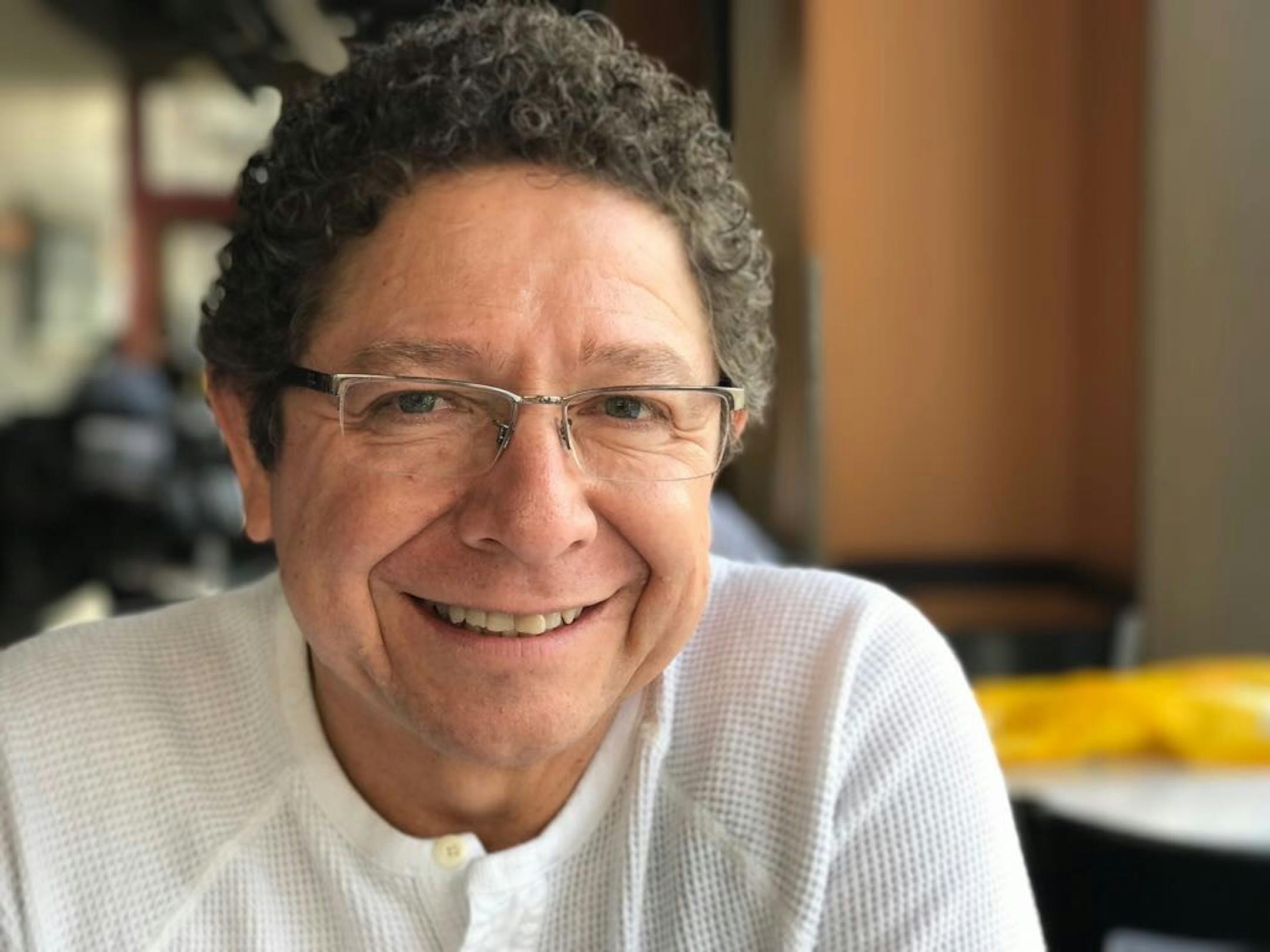
![Frank Dogbe, owner of SOS Building Services of Minneapolis.] Jerry Holt •Jerry.Holt@startribune.com Frank Dogbe, owner of SOS Building Services of Minneapolis, is one of the minority small businesses who got funding in the second round of SBA-insured loans, after the clamor over the smallest-and-minority businesses being left out of the first round in favor of bigger loansTuesday May 12, 2020 in Minneapolis , MN.](https://arc.stimg.co/startribunemedia/I7I45TQU6IQDZ66YUKTNF2PJ2U.jpg?&w=1080)
Frank Dogbe, owner of SOS Building Services in Minneapolis, decided not to cut jobs or the pay of his workers when the offices they cleaned started clearing out two months ago.
The revenue of cleaning company quickly fell by about one-third. Dogbe dug into his 401(k) plan for $20,000 to meet payroll for his 20-plus workers, who get a minimum of $15 an hour.
But he also anticipated the company would be likely to qualify for the Small Business Administration's Paycheck Protection Program, created by Congress in late March to help firms hurt by the coronavirus and instant recession.
Dogbe applied for the loan through his bank, U.S. Bank, but he became one of thousands of small business owners who didn't get a loan when the first round of $349 billion quickly ran out in just 13 days.
Critics pointed out the loophole-riddled SBA rules allowed some big companies to get funds while smaller ones were left on the sidelines.
Congress and the SBA responded with a second round, with $310 billion available, and new groups of lenders, including small business counselors and Community Development Financial Institutions, or CDFIs.
At the suggestion of a former business counselor for SOS at St. Paul's Neighborhood Development Center (NDC), Dogbe made a second application that was funded for the full $130,000 in the same day. Enough to cover employees for eight weeks.
"Only one filed for unemployment," Dogbe said. "I told him, 'You have a job. I'm paying you. Be proud. That unemployment money is temporary. We have to be ready for business to return.' "