
Minnesota manufacturers had a tough 2025. They hope tariffs spur reshoring.

Manufacturing sector in the Midwest and the nation lost jobs and saw orders decline as tariff costs jumped.

The Minnesota Star Tribune
January 12, 2026 at 5:00PM
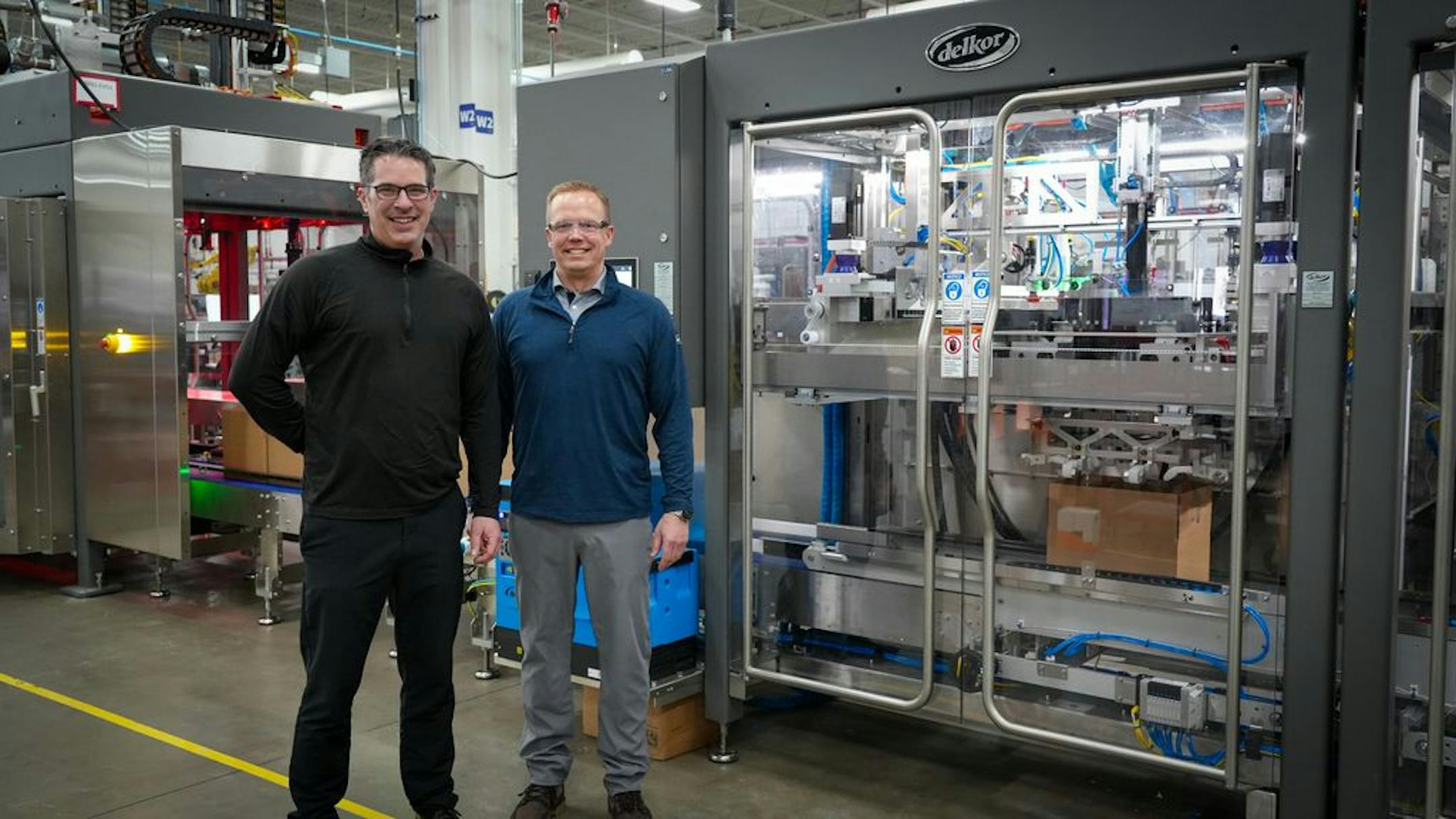
Delkor System Vice Presidents Kevin Weiss and Rick Gessler stand next to Delkor's new and patented Trayfecta packaging robot. The new technology, which uses lasers to solve pesky box-warping problems, helped the Arden Hills company win a contract for 50 machines from a major U.S. food producer. The food customer previously used an overseas supplier, but now seeks Made In America production. (provided)

Delkor Systems’ CEO finally received a boost in December after two years of flat sales for the Arden Hills packaging robotics plant.

A U.S. food producer signed a contract for 50 packaging machines. Its former supplier was European, and President Donald Trump’s tariffs made the equipment too expensive for the company.

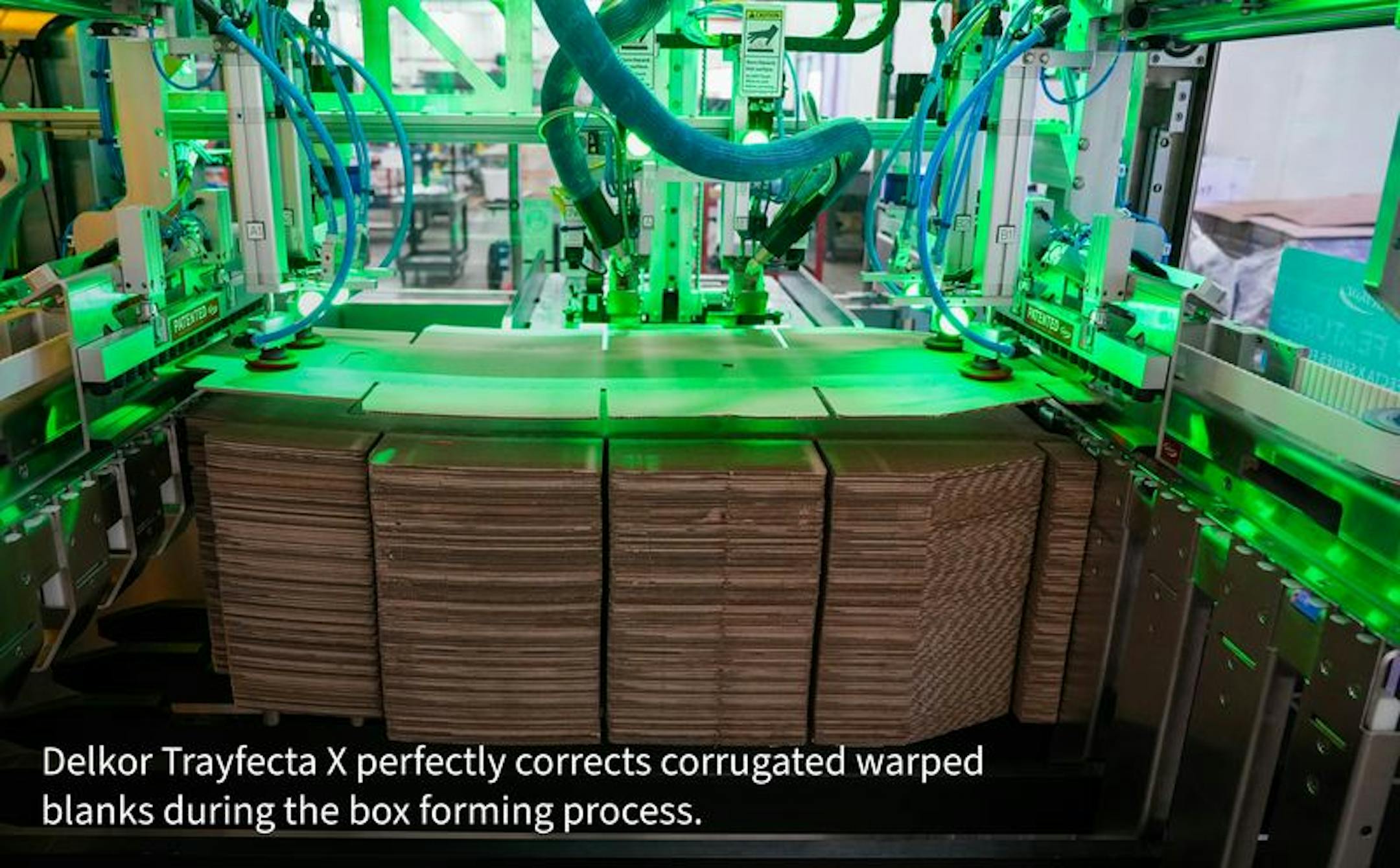
The food producer, once it looked at Delkor technology, liked how it corrected problematic carton warping, CEO Dale Andersen said.

“In our industry, everything’s flat and manufacturing is down. So at least this is a light. This is a positive,” Andersen said.

For companies like Delkor, whose equipment is considered capital investment for companies, business is especially challenging, he said.

In December, manufacturing lost another 8,000 positions nationally, new federal jobs data shows. The sector has lost jobs every month since April, when Trump laid out the scope of his tariffs, and has shown signs of decline for the past three years.

For a fourth consecutive month, the Midwest factory conditions index declined. Growth neutral is 50, and in December it was 47.6, the lowest reading for 2025, according to Creighton University, which surveys manufacturers in Minnesota and eight other states in the region.

The region shed manufacturing jobs for a ninth straight month, and factory heads said orders and exports continued to slump.
“Concerns regarding tariffs, inflation and slowing business activity restrained supply managers’ economic expectations,” said Ernie Goss, director of Creighton University’s Economic Forecasting Group. Only one in six supply managers expects stronger economic conditions for their firms over the next six months.

A national survey done by the Institute for Supply Management found similar results.

Thomas Simons, chief U.S. economist for Jefferies investment banking group, said the results were “as downbeat as ever [with] scant optimism towards improvement in 2026.”

Minnesota factories have put off expansions, halted hiring and ramped up automation as tariff costs increased, according to nonprofit consultant Enterprise Minnesota.

That’s one reason manufacturers were upset about the added cost of the state’s paid-leave law that went into effect Jan. 1. It comes at the same time as higher health care costs and on top of the tariff increases.

Power sports, agricultural equipment and recreational vehicle manufacturers were seen as areas of particular challenges.

Delkor’s Andersen, however, remains upbeat about his industry’s chances for recovery in 2026. And he did a survey of his own of other Minnesota manufacturing executives and found others think reshoring might help them this year.

With its new contract, Delkor revenue should increase from $130 million to $200 million. Andersen said that means Delkor is bucking the trend, adding 60 new machinists to the staff of 340 and spending about $500,000 to expand the factory by 22,000 square feet and to relocate its warehouse.

Delkor System invested $3 million to make this patented packaging robot. The new technology helped it win a contract for 50 machines from a major U.S. food producer that had been using an overseas supplier. The contract will increase Delkor's sales by about 50% in 2026. (provided)

Simons, the Jefferies chief economist, said his firm expects manufacturing could inch back to growth this year.

For one, the federal budget bill passed in the summer made permanent a 100% bonus depreciation on acquired assets that had been set to expire. The move should quickly spark factories to invest in equipment, vehicles and building renovations in coming years, Simons said.

However, manufacturers will still need to deal with uncertainty abroad, experts said.

Central Midwest exports fell 5.5% in the first nine months of 2025, the latest figures available from the U.S. International Trade Administration. Minnesota exports fared worse, declining 13.5% to $16.4 billion during that time.

Midwest factory managers surveyed by Creighton said tariffs have added 10% to 48% in costs.

“The industrial economy is feeling the full impact of the tariffs,” Goss said.

Beth Benike, owner of the Busy Baby placemat company in Oronoco, said erratic U.S. trade tariffs continue to wreak havoc with her tiny company. She became one of the faces of high China tariffs when she had to abandon shipments because she could not afford the levies.

That’s still the case, she said. The tariff would now be 30%, down from over 100% but still out of her reach. She is running out of stock and hoping the U.S. Supreme Court rules against Trump’s tariff policies. A decision is expected any day.

Waiting is killing her business, she said. “It’s just an awful situation to be in as a business owner. How does one plan for anything?”

Yet Jeff Anderson, who opened electrical and construction supply firm Atek Distribution in New Hope right before the pandemic hit in 2019, said he remains optimistic.

Anderson was able to pass along tariff costs to customers, but sales for his company’s electrical switches, circuit breakers, wiring and other construction equipment fell last year. So did sales for many suppliers.

“They definitely felt it, and they’re definitely nervous,” he said. He and his peers are hoping there will be a reshoring ripple that starts this year.

The big question is whether that ripple will land in Minnesota, he said.

about the writer

about the writer

Dee DePass

Reporter

Dee DePass is an award-winning business reporter covering Minnesota small businesses for the Minnesota Star Tribune. She previously covered commercial real estate, manufacturing, the economy, workplace issues and banking.

See Moreicon

More from Economy

See More
card image
provided

Manufacturing sector in the Midwest and the nation lost jobs and saw orders decline as tariff costs jumped.

An aerial view of state Highway 169 between Chisholm and Hibbing, Minnesota.
card image