It's not just the auto industry turning electric.
Minnesota manufacturers of consumer products and industrial vehicles are converting them to electric power, away from gas and oil. And they're encountering the same tradeoffs seen for cars and trucks.
Battery-powered devices don't emit polluting gases. But they have to be recharged, and that adds a time consideration that influences the usefulness of some products.
For the recreational vehicles of Winnebago Industries, based in Eden Prairie, the amount of battery power needed for a cross-country trip is not yet economical. But the company is developing a market for battery-run RVs with medical clinics, libraries and other businesses that can use them for relatively short distances.
For the yard equipment at Bloomington-based Toro, the demand and recharge equation makes greater sense and the conversion to battery power is well underway.
Beyond products, the transition to electric power gives companies a chance to move forward on broader sustainability goals, including those tied to climate change.
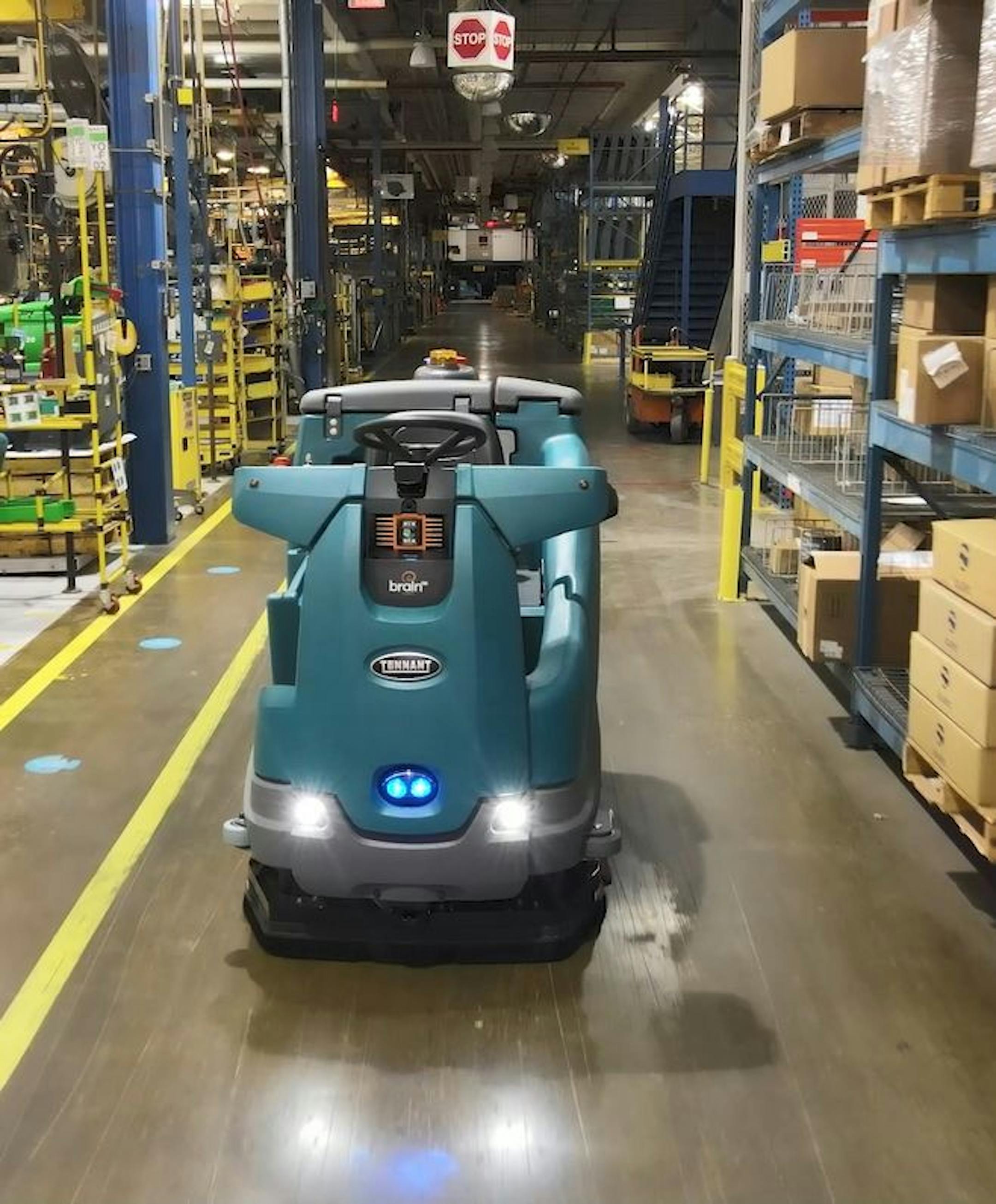
"Our carbon footprint, the vast majority, is the usage of our equipment by our customers," said David Strohsack, vice president of global marketing at Tennant. "So for us to reduce our carbon footprint, one of the single biggest levers is to make our equipment more efficient."
Some critics of the gasoline-to-electric power conversion argue that consumers are substituting one form of polluting energy for another, because much of the nation's electricity is generated by coal or natural gas.