Summer vacations are winding down. Summer vacation storytelling? It's peak season. I heard a couple of dandies last week from two legislative veterans, each of whom traveled in memory as well as miles to gain perspectives worth sharing about 20th-century events that touched many Minnesotans.
• • •
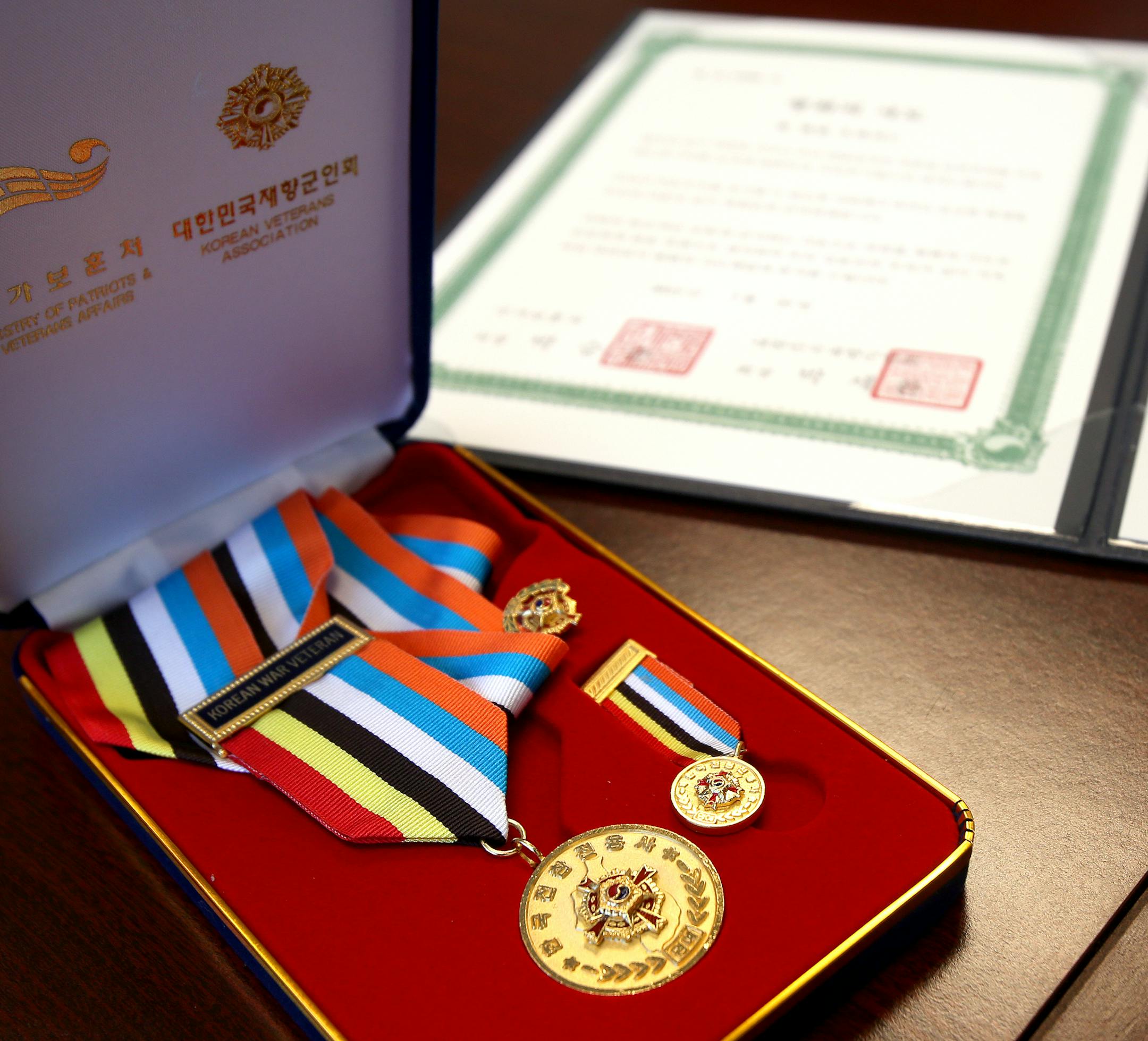
Former state Sen. Paul Overgaard spent a portion of July in South Korea and witnessed ceremonies marking the 60th anniversary of the Korean conflict's armistice, signed on July 27, 1953.
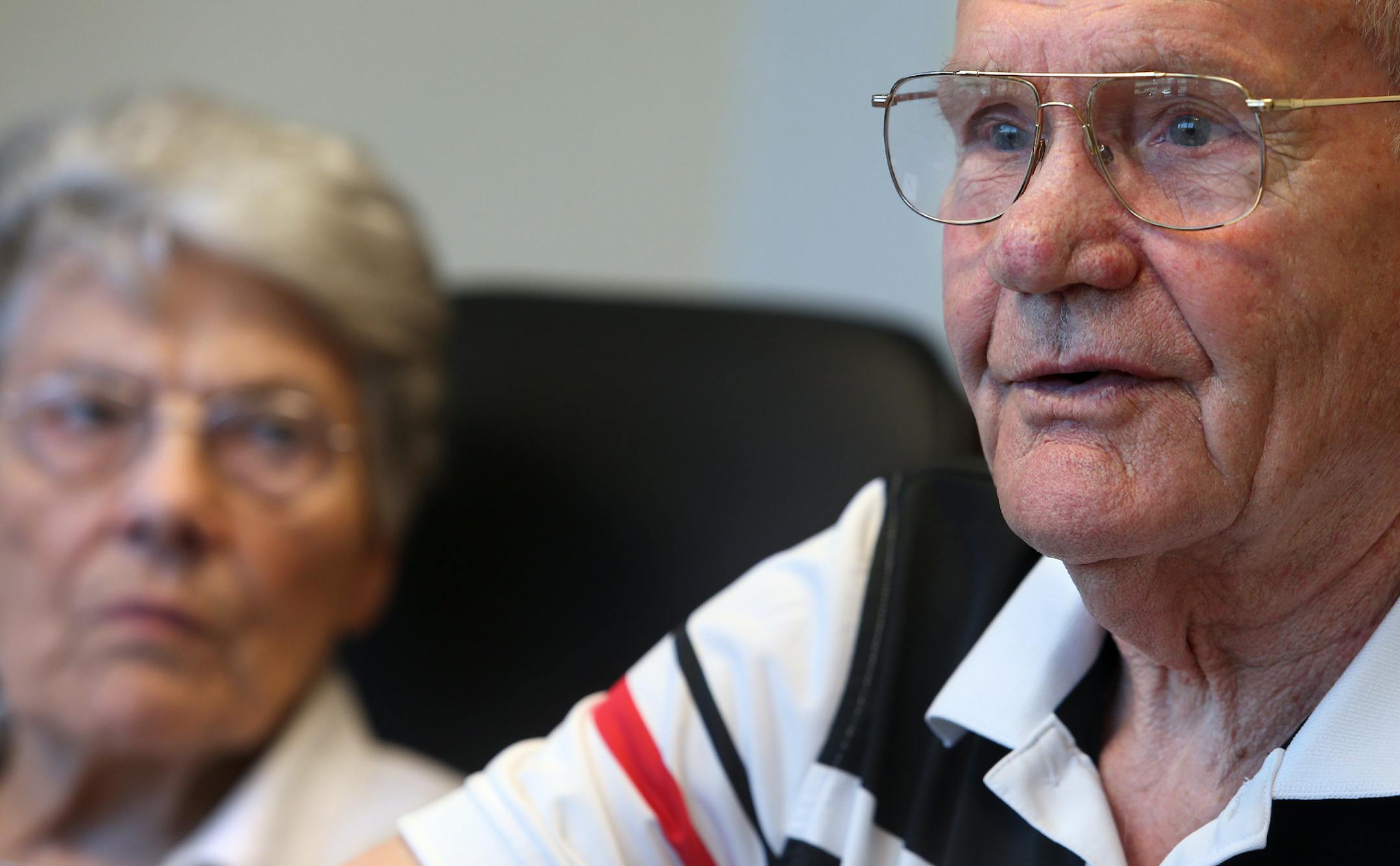
It was a return trip for Overgaard, 83, and a first visit for his wife Janet. The retired investment adviser, a legislator for eight years in the 1960s and '70s, was back in the country where he spent the morning of his 21st birthday in a firefight so intense he wondered whether he'd live to see another. It was where he parachuted twice, led a company of soldiers in battle after his commander and fellow platoon leaders fell, and sustained a gunshot wound in his thigh forceful enough to send shrapnel into his ankle and heel.
He scored a Silver Star, a Purple Heart, and an article and photo in the Minneapolis Tribune on June 11, 1951, announcing the return of First Lt. Overgaard to his Albert Lea home, then stateside service in Ft. Bragg, N.C. He was only 21 that summer. His first bid for the Minnesota House was 11 years away. Still, the big-city notice didn't do a budding Republican politician any harm.
Why an unnamed 1951 Tribune editor singled out his return for coverage isn't clear. But, for America, the year-old Korean conflict had been a roller-coaster of failure and success. The initial wave of allied troops were poorly trained and equipped. Overgaard helped win the battle that erupted at 3 a.m. on his birthday in part by calling off friendly fire that would have produced a tragic result had it continued unchecked.
Those kind of mistakes were too common in a bloody first year that produced a majority of the war's 37,000 U.S. fatalities. That context created news interest in a decorated Minnesota battle hero coming home in one piece.
By the time Overgaard left Korea 62 years ago, a stalemate at around the 38th parallel had developed that would become the boundary between North and South Korea. That still-tense border may be the only thing in South Korea that has remained static since then. The backward agricultural region he remembers is now an economic powerhouse, populated by well-educated, prosperous people who express "undying gratitude for the American forces."