What does horse massage have to do with the First Amendment?
A federal court weighed in recently on a legal challenge brought by a Becker, Minn., woman when state regulators warned her to get a license or risk getting a “neigh” on her equine massage courses.
A Minnesota U.S. District Court judge ruled last month that horse massage instructor Leda Mox may continue teaching her equine courses and blocked the state from enforcing its licensure requirements on her program.
In his order, U.S. District Judge Eric Tostrud said Minnesota’s Private Career School Act, the law requiring private vocational schools to be licensed, was initiated only when Mox taught (and therefore spoke) about horse massage through her company, Armstrong Equine Massage. Tostrud ruled that Mox’s First Amendment rights were therefore inhibited indirectly by the state trying to enforce cumbersome regulations.
Minnesota’s ”licensing requirements may concern things Armstrong must do to obtain and maintain licensure, but as discussed, these requirements are triggered by the content and purpose of Ms. Mox and Armstrong’s speech,” Tostrud said in an Oct. 24 order.
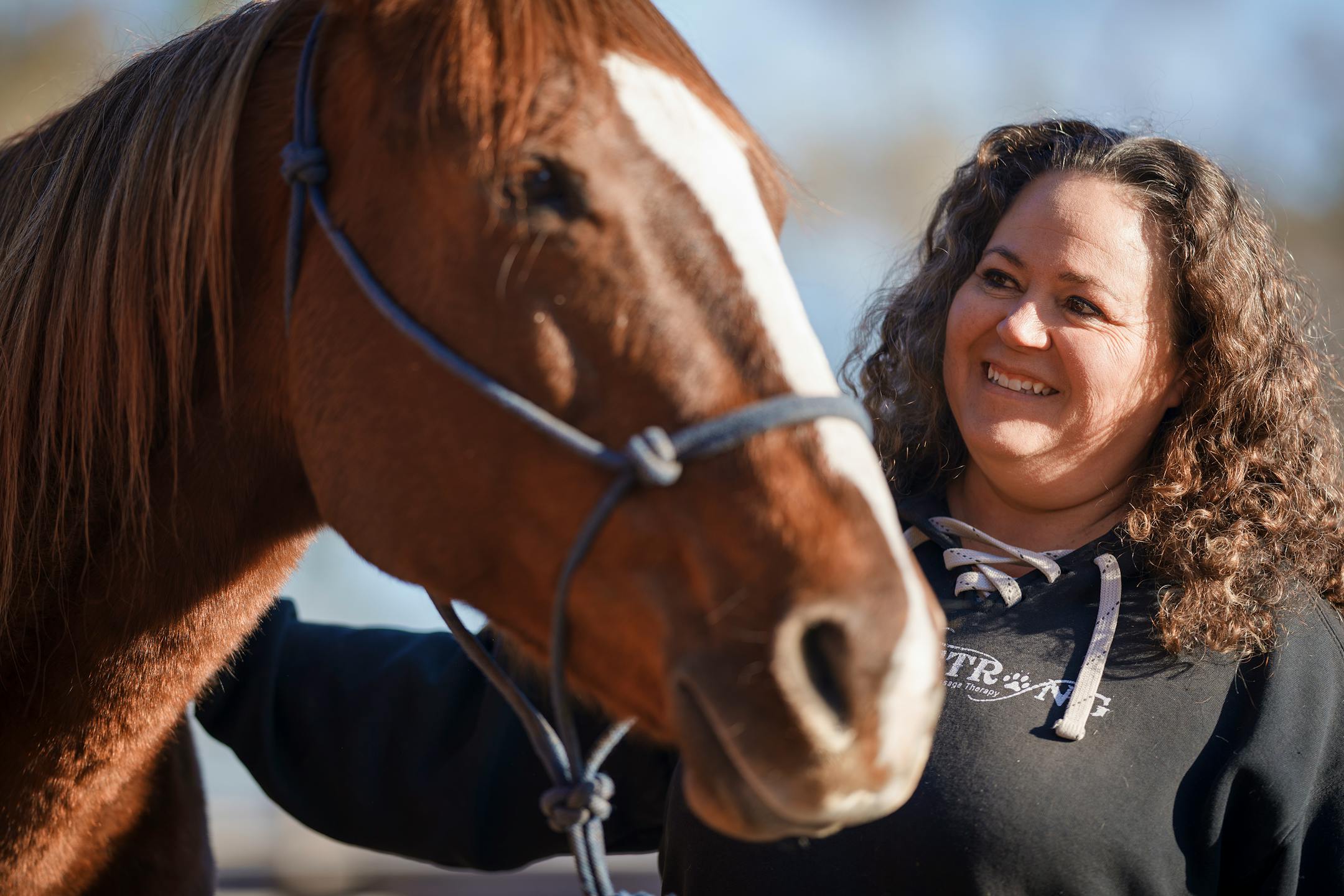
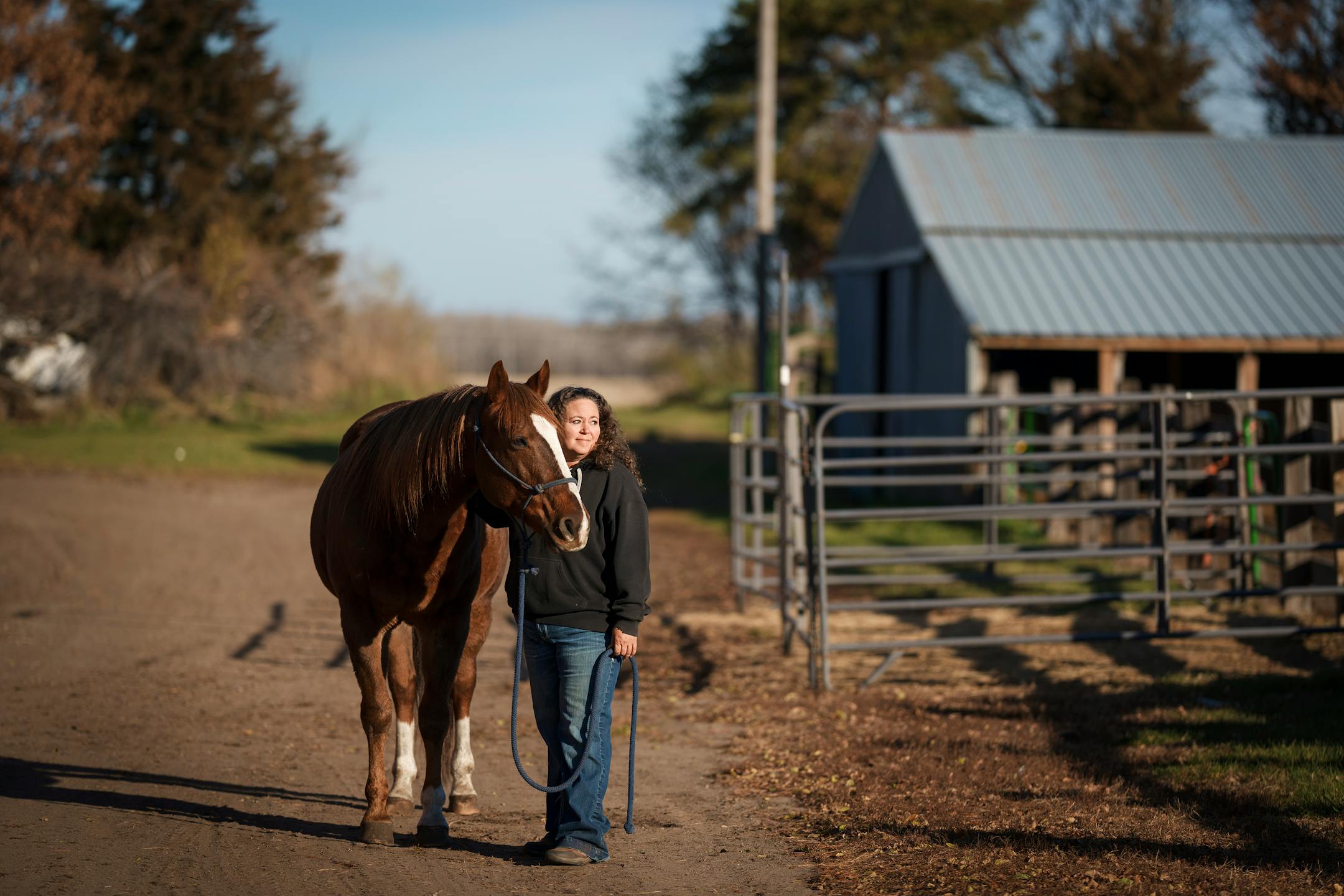
For more than a decade, Mox has taught equine massage from her farm in Becker to more than 400 students. Her courses show the value of massage for alleviating pain and discomfort and improving mobility in horses. The benefits, Mox told the Minnesota Star Tribune, are similar to those for human athletes.
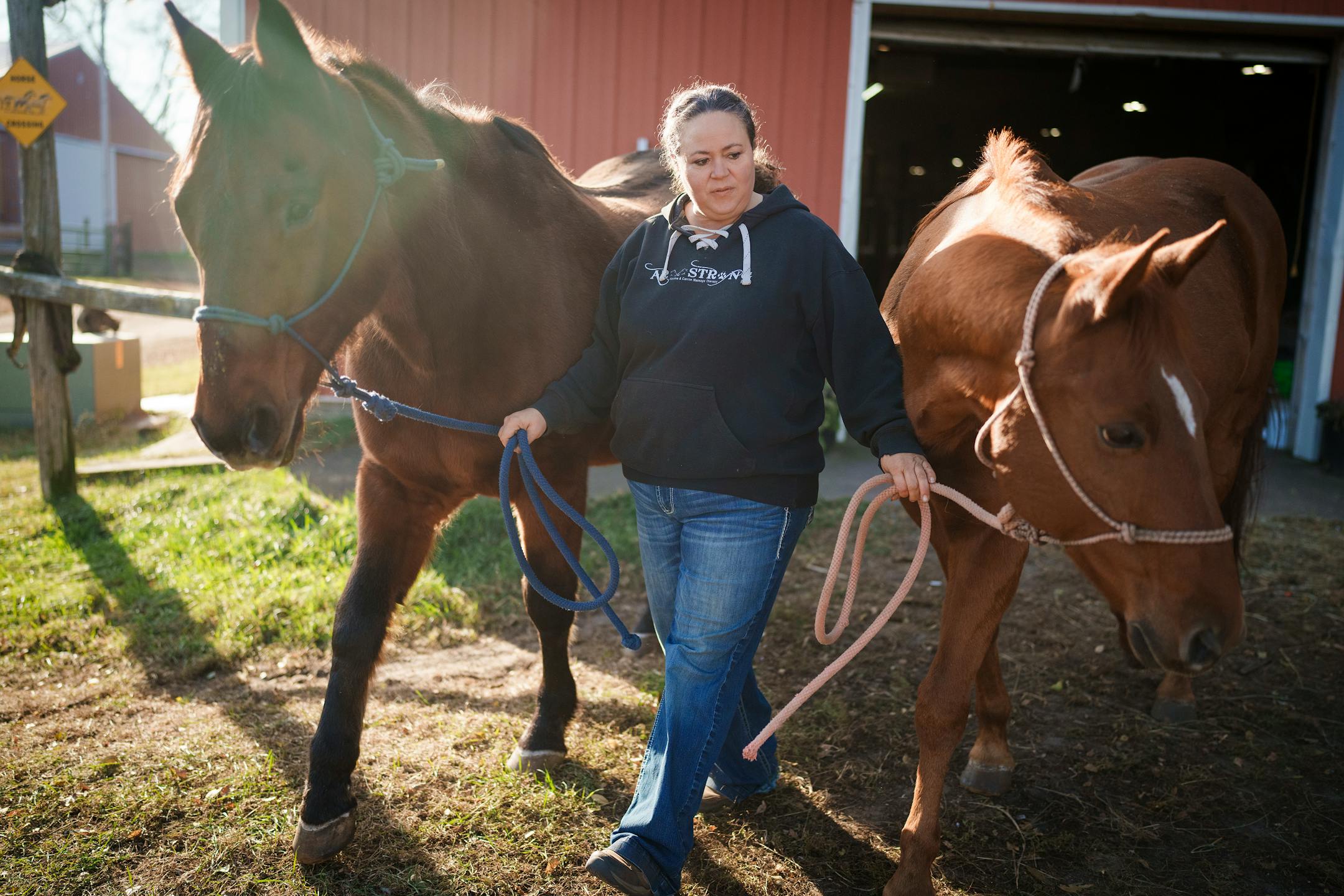
Mox, who has a bachelor’s degree in equine science from the University of Minnesota-Crookston, remembers seeing those benefits when she entered an older horse in a barrel racing competition. If she didn’t “stretch him out” before the race, her horse would stumble after the first barrel. Massage became part of her pre-competition routine. She learned that she could turn it into a career and launched Armstrong Equine Massage in 2013 to teach the practice to her clientele of recreational riders and the occasional aspiring veterinarian.
But a warning from the state arrived in March 2023 via a letter stating that she may be in violation of Minnesota law and needed a license. Mox wondered how she would afford the fees to comply, which amounted to $2,500 for the license, $500 for each additional program and another $10,000 bond in case her program closes.