About 11,000 people in Minnesota are being helped this year by "cost-sharing reduction" payments that the Trump administration late Thursday said would no longer be sent from the federal government to health insurers.
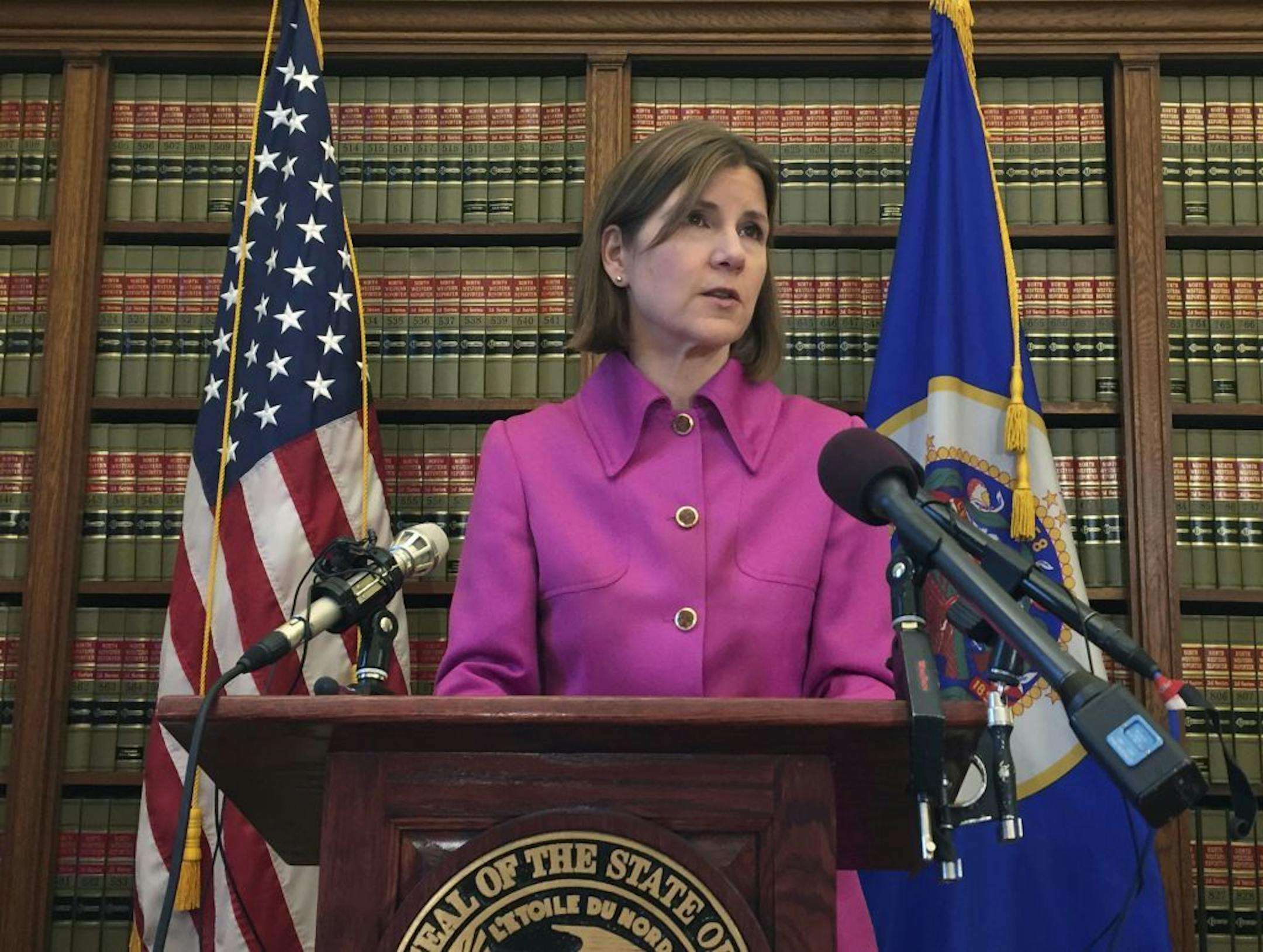
While that's a relatively small number of beneficiaries compared with most states, it's large enough that Minnesota Attorney General Lori Swanson said Friday she will seek an injunction as part of a lawsuit that would prevent the federal government from withholding the payments, which are supposed to be made next week.
"Cutting off payments that help lower the cost of health care only makes it worse for thousands of Minnesotans," Swanson said in a statement.
There could be a larger impact on MinnesotaCare, a state health insurance program for lower-income residents that derives a large chunk of funding from a formula that's based on the cost-sharing reduction (CSR) payments. But state officials said Friday they were still studying the impact, while insurers said they would continue selling individual market coverage without changing rates.
"The Trump Administration's decision to abruptly end these cost-saving federal subsidies is very concerning," the state commissioners for Commerce and Human Services and the MNsure chief executive said in a joint statement Friday. "We are still working to analyze the future impacts this decision will have on the Minnesotans who rely on MinnesotaCare and individual health insurance policies."
Under the Affordable Care Act (ACA), the federal government makes cost-sharing reduction payments directly to health plans, which pass along the value to consumers in the form of lower deductibles and out-of-pocket spending requirements.
The payments benefit lower-income people who buy individual policies, a group comprised primarily of people under age 65 who are self-employed or don't get coverage from an employer.
Most in Minnesota with incomes that would make them eligible for the subsidies don't buy individual policies but instead enroll in MinnesotaCare, a state health insurance program that covers 91,000 people who are sometimes described as the "working poor."