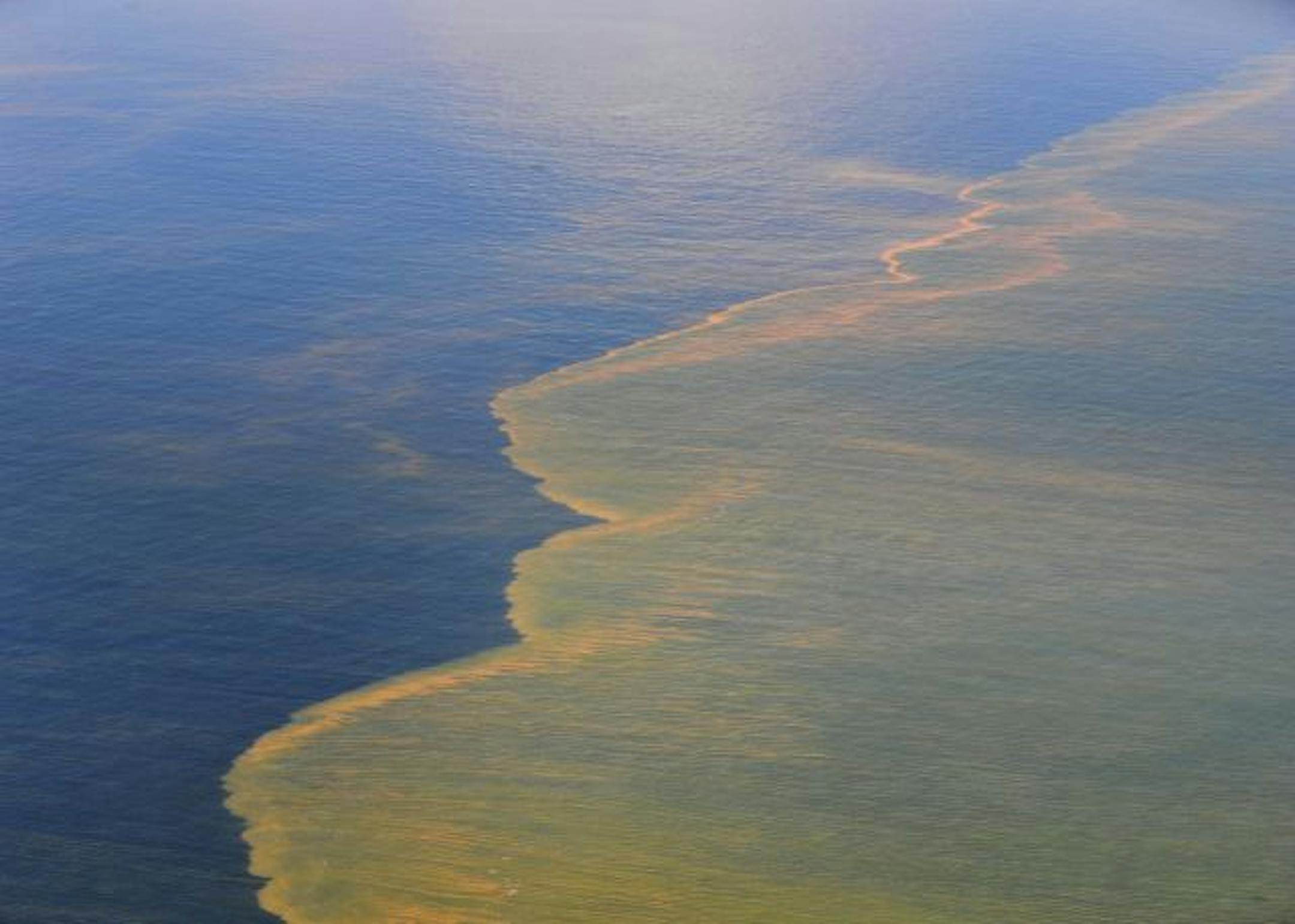
The disastrous Gulf of Mexico oil spill is another painful reminder of why it's good for U.S. energy, economic, environmental and security policy to move, as BP has said in its ubiquitous ads, "beyond petroleum."
U.S. proven reserves and production have declined since the 1970s, according to the U.S. Energy Information Agency. The promise of yet-undiscovered offshore fields means deeper wells and, apparently, little backup plan if something goes wrong.
Other than the Canadian tar sands, the bulk of known reserves are controlled by Middle Eastern despots, Russian oligarchs and African dictators. We spend about $400 billion annually on foreign oil, about the same as last year's balance of payments deficit with our trading partners. We use nearly a quarter of the world's oil production and produce about 10 percent. Count on global demand driving oil prices higher as economies recover.
The more we cut oil consumption through efficiency and alternatives, the better for oil-and-gas-poor Minnesota. The good news is we are rich in innovation and technology.
"We're starting to see flesh on the bone of what will be a massive economic and employment opportunity," said Dan Carr, CEO of the Collaborative, which hosted last week's the annual "Cleantech" forum for about 250 scientists, businesspeople and investors. Here are a few examples:
•Eagan-based Restaurant Technologies (RTI) has built a $240 million-revenue business collecting used cooking oil, a lot of which used to get dumped.
"We take the worst, most-dangerous job in the back of the restaurant and eliminate it," said CEO Jeff Kiesel, who has 16,000 customers in 40 markets. "Our data-management system helps customers use less oil, reduce waste, cut carbon and we cut them in on the sale of their used oil."
RTI, which delivers fresh oil when it removes old stuff, will collect more than 100 million gallons of used oil for sale to biodiesel manufacturers, animal feed and other buyers.