
Minnesota defies feds with COVID vaccine guidance

Standing order gives pharmacists ability to give COVID-19 vaccinations without prescriptions beyond the groups approved by Food and Drug Administration.

The Minnesota Star Tribune
September 22, 2025 at 9:52PM
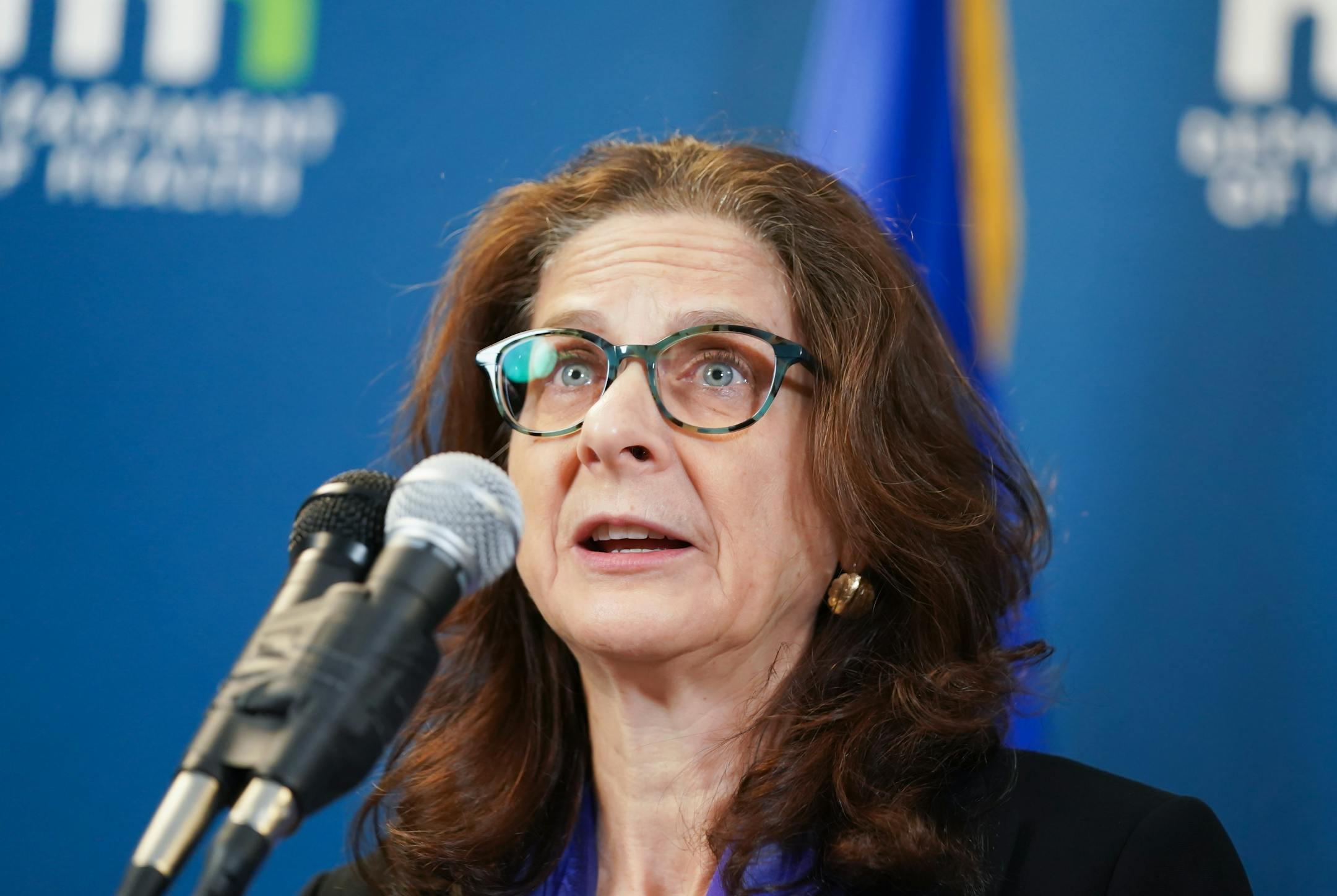
State Epidemiologist Dr. Ruth Lynfield, shown in 2020.
Minnesota State Epidemiologist Dr. Ruth Lynfield said among the reasons for the standing order was "we wanted to make it easy for Minnesotans to go to a pharmacy" for their vaccines. (Glen Stubbe/The Minnesota Star Tribune)

Minnesota’s top doctor has issued a standing order allowing pharmacists to give COVID-19 vaccines without prescriptions to a broader group of patients than federally recommended.

The state Department of Health announced the order and that it was aligning with national medical organizations in encouraging broader use of the vaccines.

“Vaccines are one of the greatest public health achievements in modern medicine,” said State Epidemiologist Dr. Ruth Lynfield, adding that people should consider the protection they offer against influenza, COVID and the virus RSV at the start of respiratory disease season.

The state vaccine policy actions this week represent an unprecedented break from federal recommendations. Historically, Minnesota has parroted guidance from the Food and Drug Administration and the Centers for Disease Control and Prevention. That changed after President Donald Trump appointed a high-profile vaccine skeptic, Robert F. Kennedy Jr., as his Health and Human Services (HHS) secretary.

Kennedy, in turn, appointed skeptics to the CDC’s Advisory Committee on Immunization Practices (ACIP), which decided last week against recommending the COVID-19 vaccine to anyone and instead encouraged people to make their own medical decisions.

Kennedy has raised concerns about the possibility of complications from multiple vaccines and whether the risks to individual health outweigh the benefits.

However, the American societies representing pediatricians, family doctors and obstetricians have all recommended unrestricted access to the latest COVID-19 shots for people 6 months and older.

The state on Monday agreed with those recommendations. AHIP, the trade group for the nation’s health plans, also recently announced it was advising its members to maintain insurance coverage for the shots.


Until now, pharmacists in Minnesota could only give the latest COVID-19 vaccines without prescriptions to people who met FDA approval criteria — namely, those 65 and older and anyone with underlying health conditions.

Lynfield’s standing order acts as a blanket prescription for Minnesota, allowing pharmacists to give the shots to anyone 12 and older seeking protection from COVID-19, a contagious disease that has persisted even though the country officially left a state of pandemic two years ago.

Her order highlights the need for shots among people who have never been vaccinated, residents of long-term care facilities and people living with others at elevated risk of complications if they get COVID-19. A second order also allows pharmacists to give pediatric versions of COVID-19 vaccine to children age 3 to 11 if their parents want them to have protection.

Lynfield said it was unusual to issue guidance that deviated from federal policy, but “we wanted to make it easy for Minnesotans to go to a pharmacy” for their vaccines. Recent data showed that about 46% of COVID-19 vaccinations in Minnesota are administered at pharmacies.

Public interest in the vaccine has waned since the pandemic. At the end of the last respiratory disease season in May, only 22% of Minnesotans were fully vaccinated against COVID-19 compared to 34% who were protected against influenza.

COVID-19 is nowhere near the lethal threat it was during the pandemic, when at the worst it was causing more than 70 deaths among Minnesotans each day. Still, the state has tallied more than 3,500 hospitalizations and 320 deaths this year from the now-endemic disease.

Even with the diminished risk, studies are showing a protective benefit from COVID-19 vaccines. Bloomington-based HealthPartners is part of a national VISION research group which earlier this year reported that vaccination was 33% effective in preventing COVID-related emergency room visits among adults and more than 40% effective at preventing COVID-related hospitalizations among seniors.

Monday’s actions came at the prompting of an executive order by Gov. Tim Walz, who expressed concern that federal health authorities are ignoring scientific research.

Other states have taken similar steps; Wisconsin’s state epidemiologist issued a standing order last week as well to hasten COVID-19 vaccinations by pharmacists.

HHS spokesman Andrew Nixon chided Minnesota and Democratic-led states for challenging the scientific basis for the federal vaccine policies. During the pandemic, these same states imposed mask mandates and other efforts to reduce the spread of COVID-19 with limited evidence that they worked, he said. “HHS will ensure policy is based on rigorous evidence.”

Complications from COVID-19 vaccinations are considered rare. Some Minnesotans reported disabling conditions after vaccinations they sought amid the pandemic. The Mayo Clinic’s Dr. Gregory Poland, a widely known vaccine advocate, reported ear-ringing known as tinnitus after his shot.

A University of Minnesota-led research group conducted an exhaustive review this summer of the latest vaccine safety data and verified rare and mostly mild cases of myocarditis (a swelling of the heart muscle) among vaccine recipients. One study included in the analysis found up to three cases per 100,000 recipients, mostly males, in those who received the Pfizer version of the COVID-19 vaccine.

In that analysis, COVID-19 vaccines still presented far greater benefits than risks, protecting recipients against severe or disabling levels of COVID-19.

Michael Osterholm, director of the U’s Center for Infectious Disease Research and Policy, was critical of federal advisers last week for overlooking these clear scientific findings.

“Sadly,” he said, “the ACIP we knew has been hijacked and is today an ideological body and no longer a scientific one.”

about the writer

about the writer

Jeremy Olson

Reporter

Jeremy Olson is a Pulitzer Prize-winning reporter covering health care for the Star Tribune. Trained in investigative and computer-assisted reporting, Olson has covered politics, social services, and family issues.

See Moreicon

More from Business

See More
Berkshire Hathaway Chairman and CEO Warren Buffett, left, and Vice Chairman Charlie Munger, briefly chat with reporters Friday, May 3, 2019, one day before Berkshire Hathaway's annual shareholders meeting. An estimated 40,000 people are expected in town for the event, where Buffett and Munger preside over the meeting and spend hours answering questions. (AP Photo/Nati Harnik) ORG XMIT: NENH1
Nati Harnik/The Associated Press

Investing in staying connected to community is just as vital as investing money late in life.

card image
card image