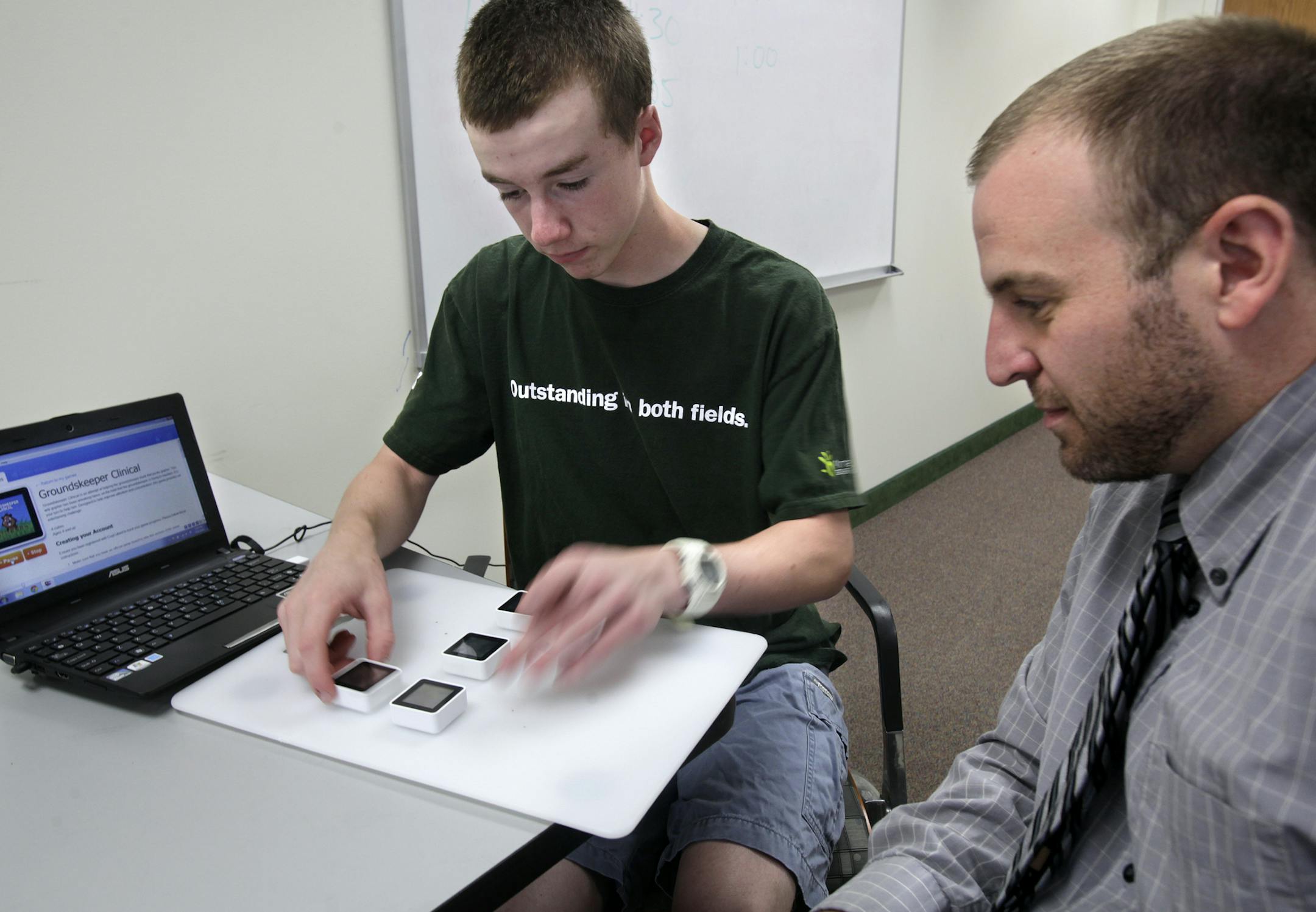
Noah Madson remembers being exhausted after hours of tests for his attention deficit hyperactivity disorder.
"Boy, those were complicated," said his mother, Nancy. "He'd come out and say, 'My brain hurts.' "
Today, Noah's task is less of a headache. After the 14-year-old plays a video game for 20 minutes, his parents and teachers will have data that paint a comprehensive picture of how his mind is functioning.
Better yet, as the St. Louis Park teenager plays the game more, his memory and processing speed might actually improve.
Noah is part of a pilot study for CogCubed, a Minneapolis-based start-up that develops games to help diagnose and ameliorate cognitive disorders such as ADHD. The company has already attracted $20,000 in funding from Google and is a semifinalist in the Minnesota Cup, a competition for entrepreneurs.
CogCubed was founded by a husband-and-wife team: game developer Kurt Roots and child psychiatrist Monika Heller. Their goal is to use sensor technology to produce objective data about symptoms that are often hard to pin down, such as inattentiveness and hyperactivity.
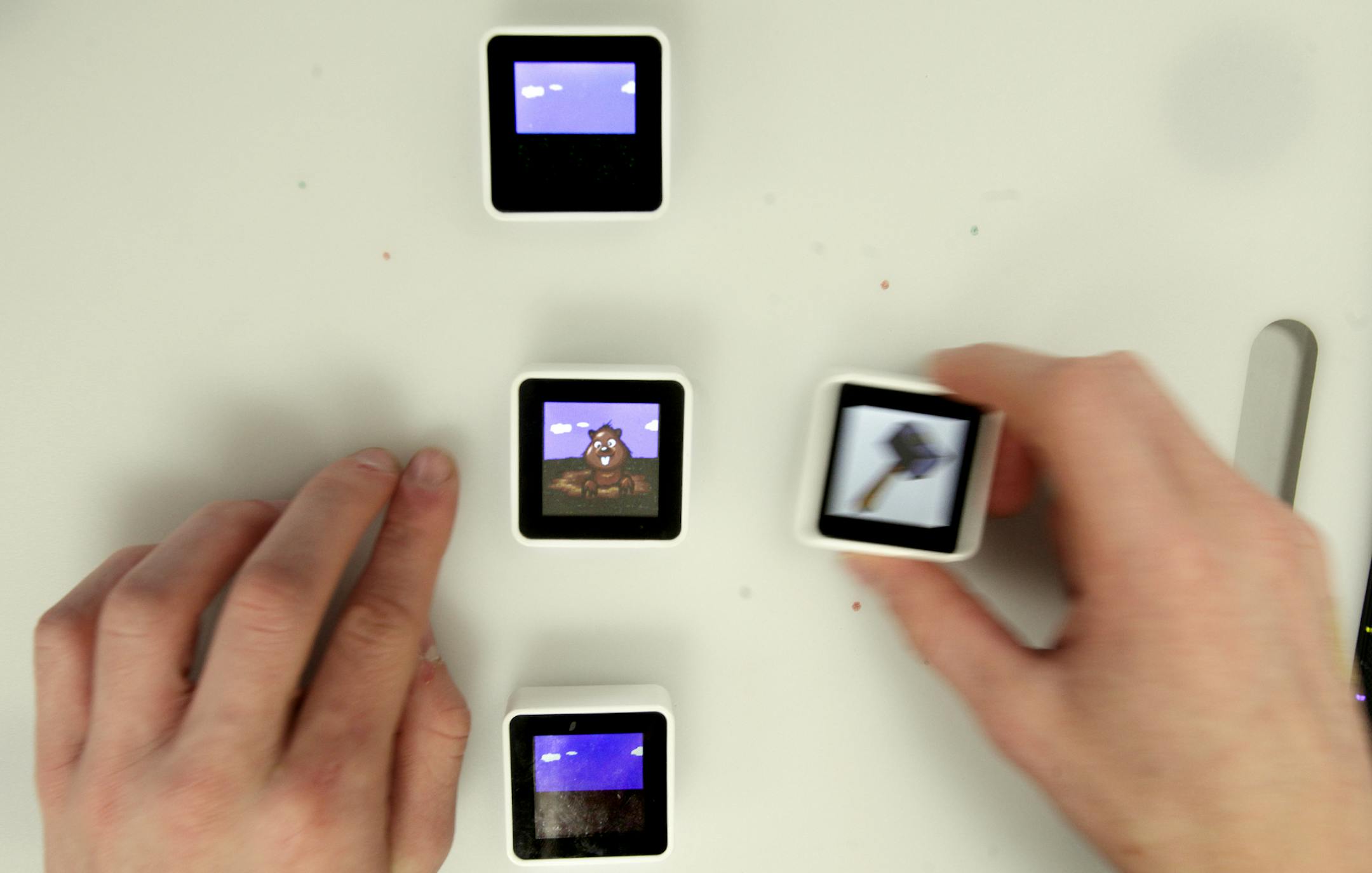
The game that CogCubed is testing now uses Sifteo, a platform that consists of small cubes with screens on them. The game, called "Groundskeeper," asks the user to use one cube — the mallet — to hit a gopher that pops up on the screens of the other three cubes. As the game goes on, distractions like rabbits and chirping birds come up, and the instructions change.
The cubes produce data on more than 70 different variables, including errors, response times and even whether the player is fidgeting. Those data come together in a Web portal that clinicians, parents and teachers can use to evaluate a child's cognitive function in a very specific way.