

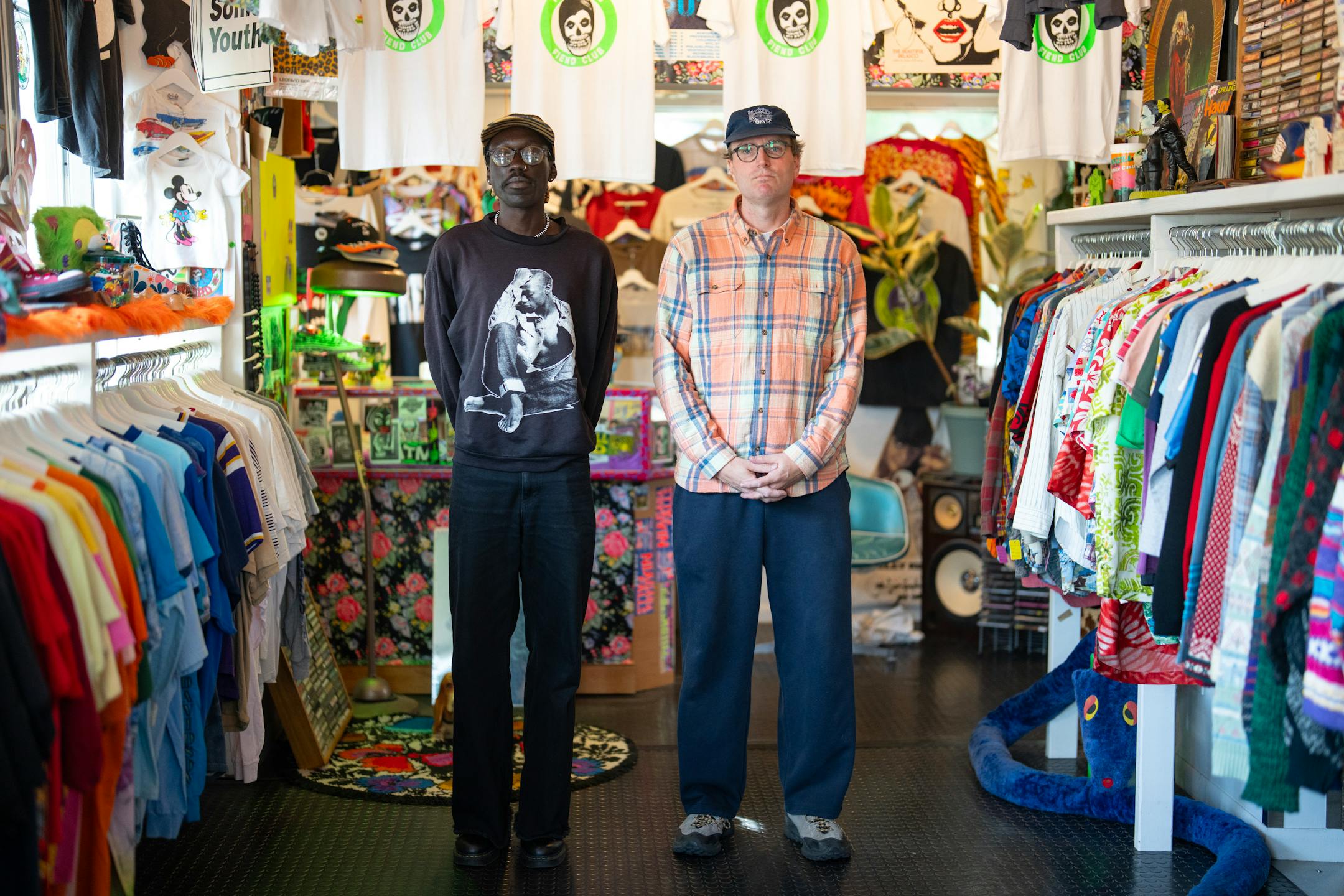
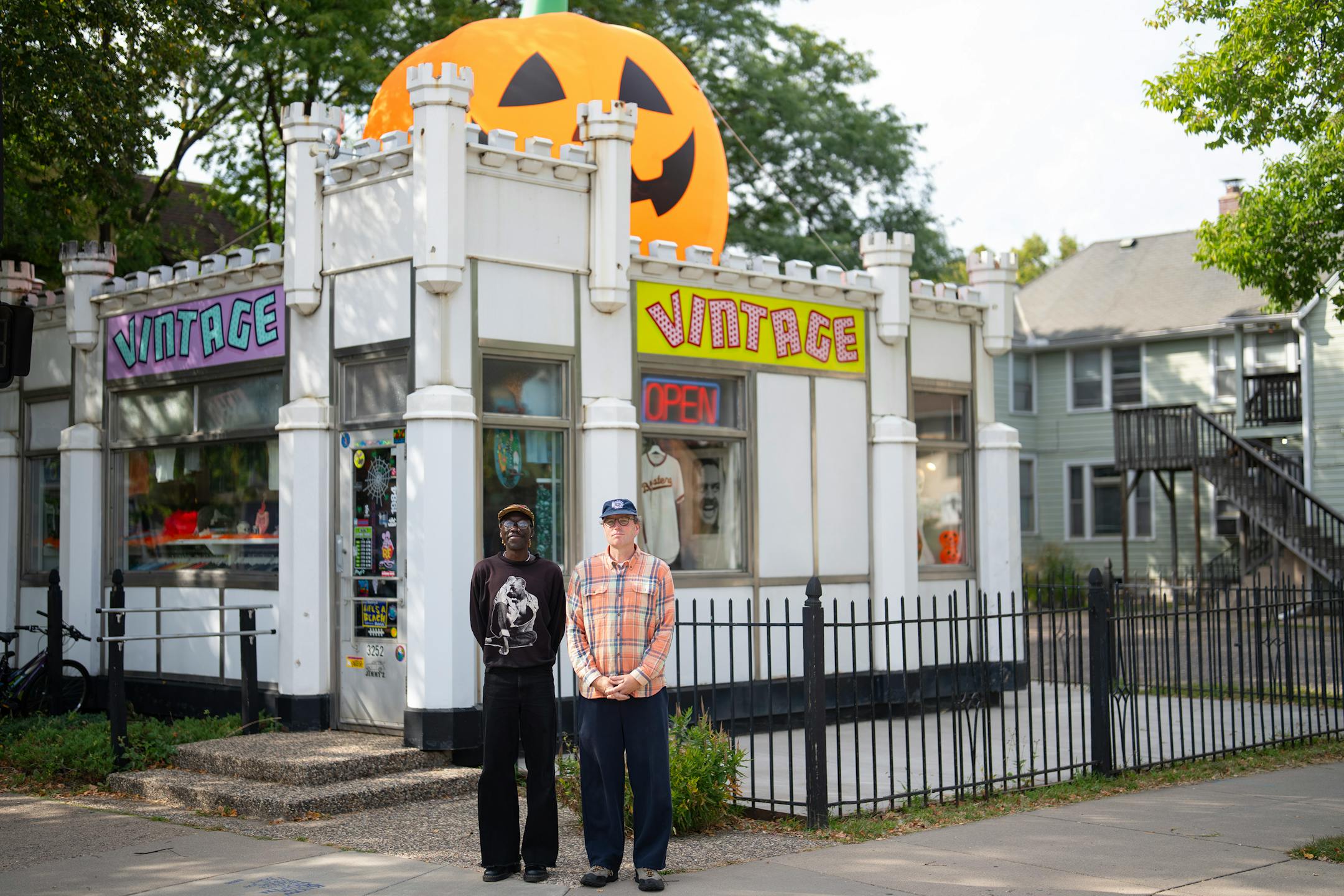
On Lyndale Avenue in south Minneapolis, the antique fortress that once served White Castle hamburgers now sells clothing and accessories from eras past.
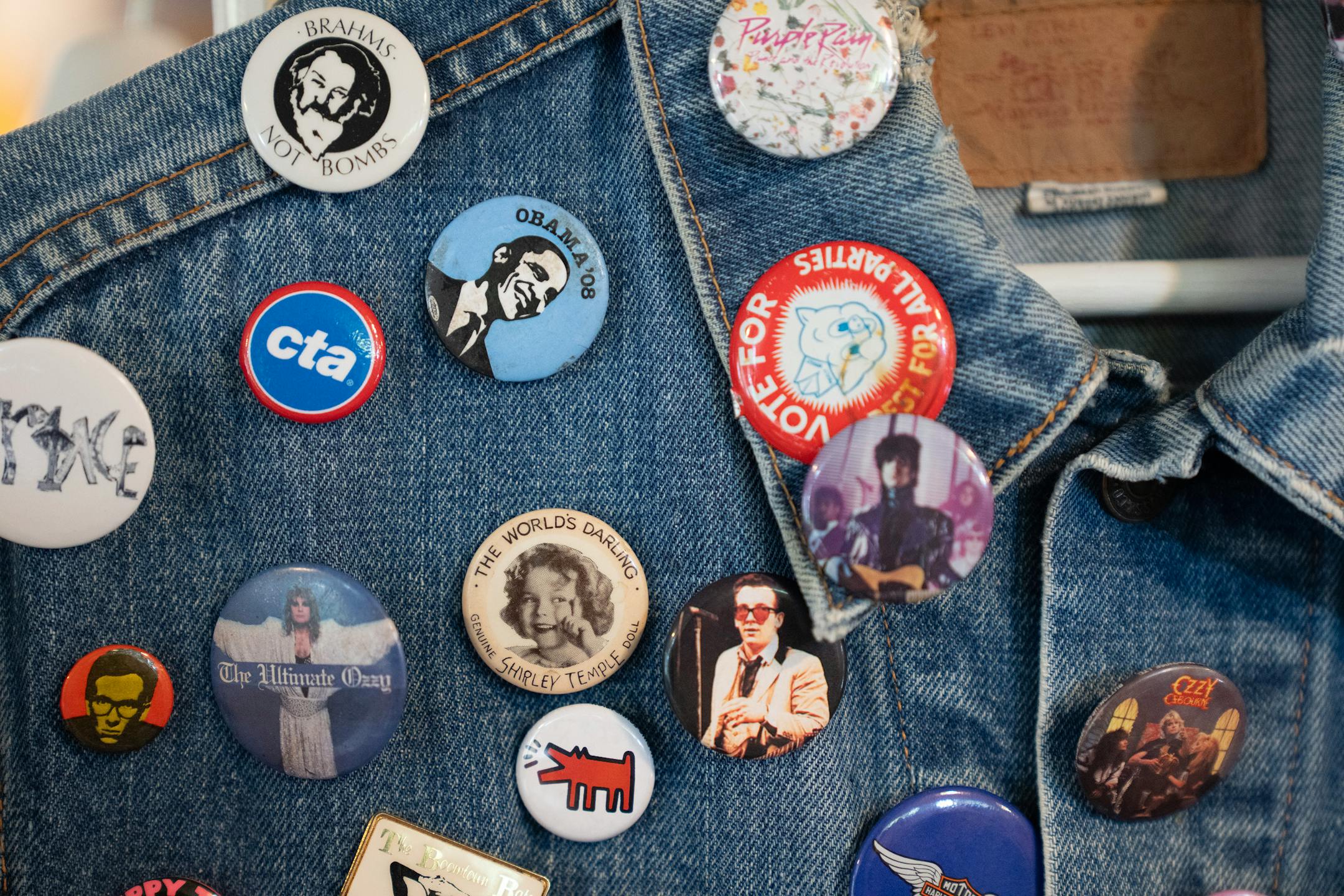
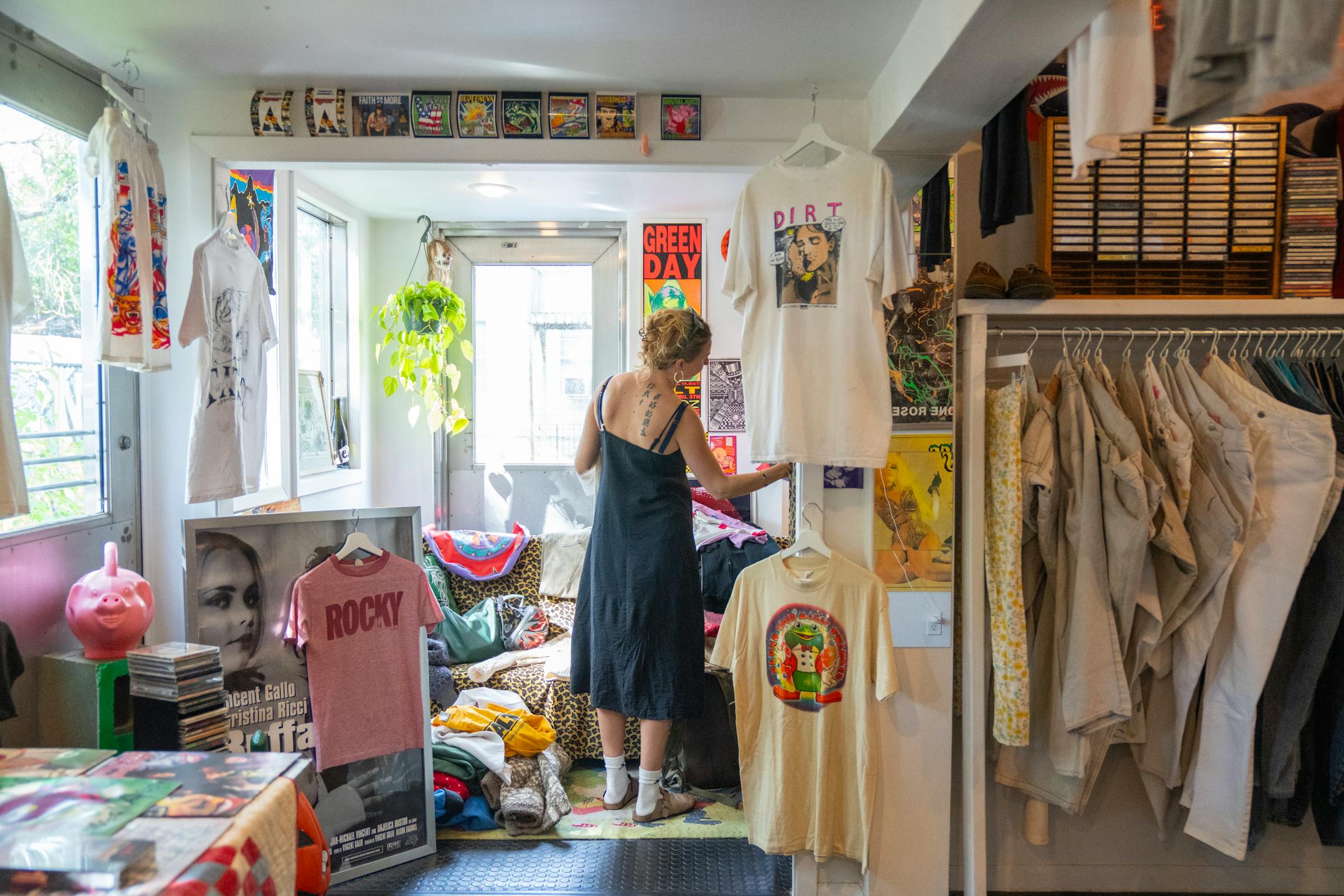
Inside the literally named Vintage shop, racks are stocked with apparel from the 1940s to early 2000s, accompanied by nostalgic ephemera, including action figures and alt-rock albums of Gen X childhoods. Some items originated as far away, and as long ago, as the embroidered satin sukajan jackets of post-WWII Japan. Others are newer, homegrown goods, such as Hüsker Dü T-shirts and Zubaz.
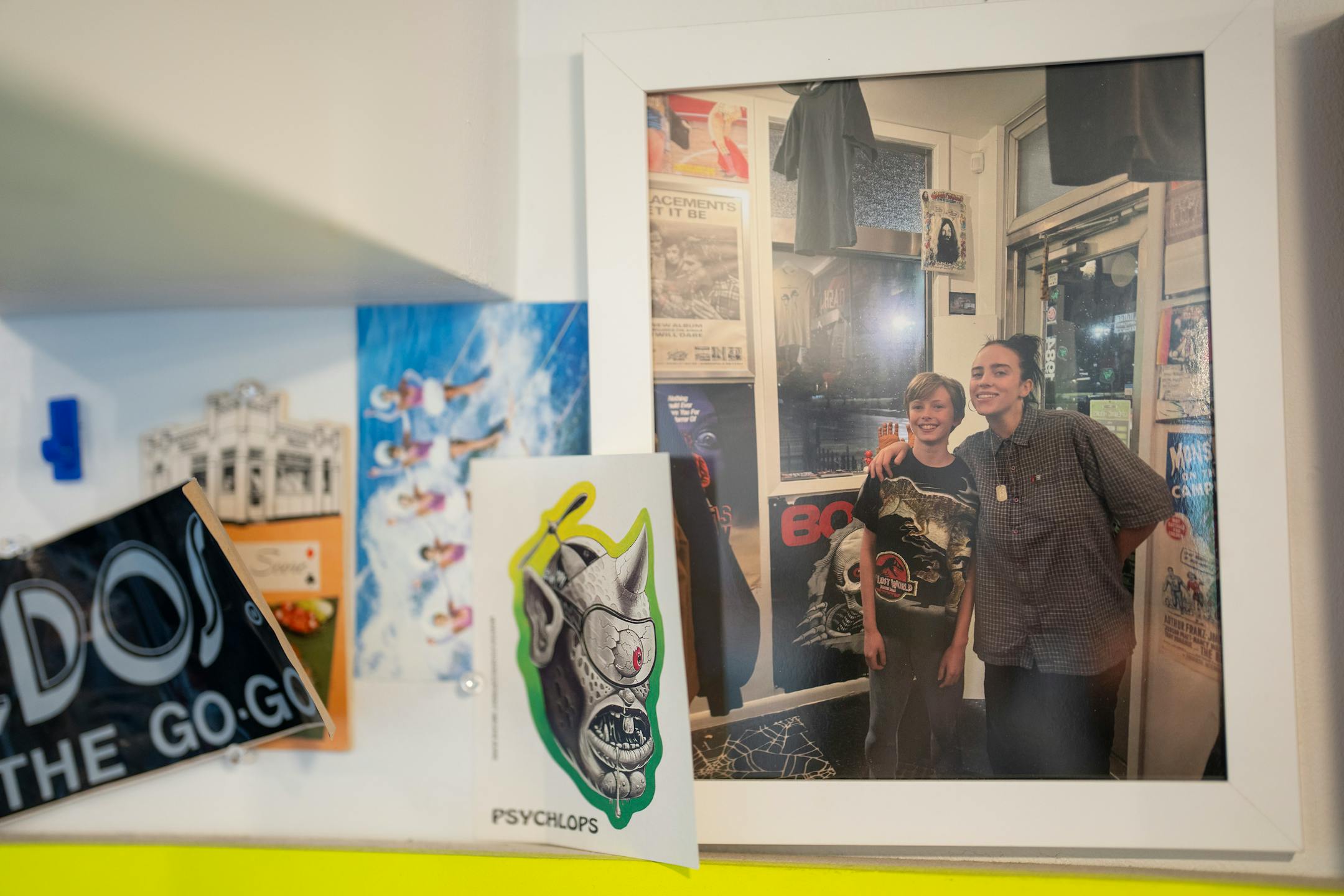
Vintage is the highest-profile of the handful of secondhand shops that have opened on south Lyndale since the pandemic. (Especially after singer Billie Eilish popped in last year and bought a risqué cooking apron, Coca-Cola work shirt and striped referee jacket.) If restaurant-lined Nicollet Avenue is known as Eat Street, Lyndale could be Chic Street.
In recent years, the resale fashion market has been growing faster than new apparel, especially among younger generations seeking unique, affordable and sustainable style. Secondhand clothing already represents about 10% of the global apparel market and some economists expect its share to grow due to tariffs and financial uncertainty.
Minneapolis became a hub of American vintage attire due to its history in the rag trade. It’s home to several major clothing manufacturers and recyclers, including the late Munsingwear and Ragstock. Vintage proprietor Justin Schaefer says the city’s music scene, ranging from Prince to the Replacements, helped cultivate its artsy reputation, which extends to personal style. “Minneapolis is a very cool place,” he said. “And nobody should shy away from being ultra cool.”
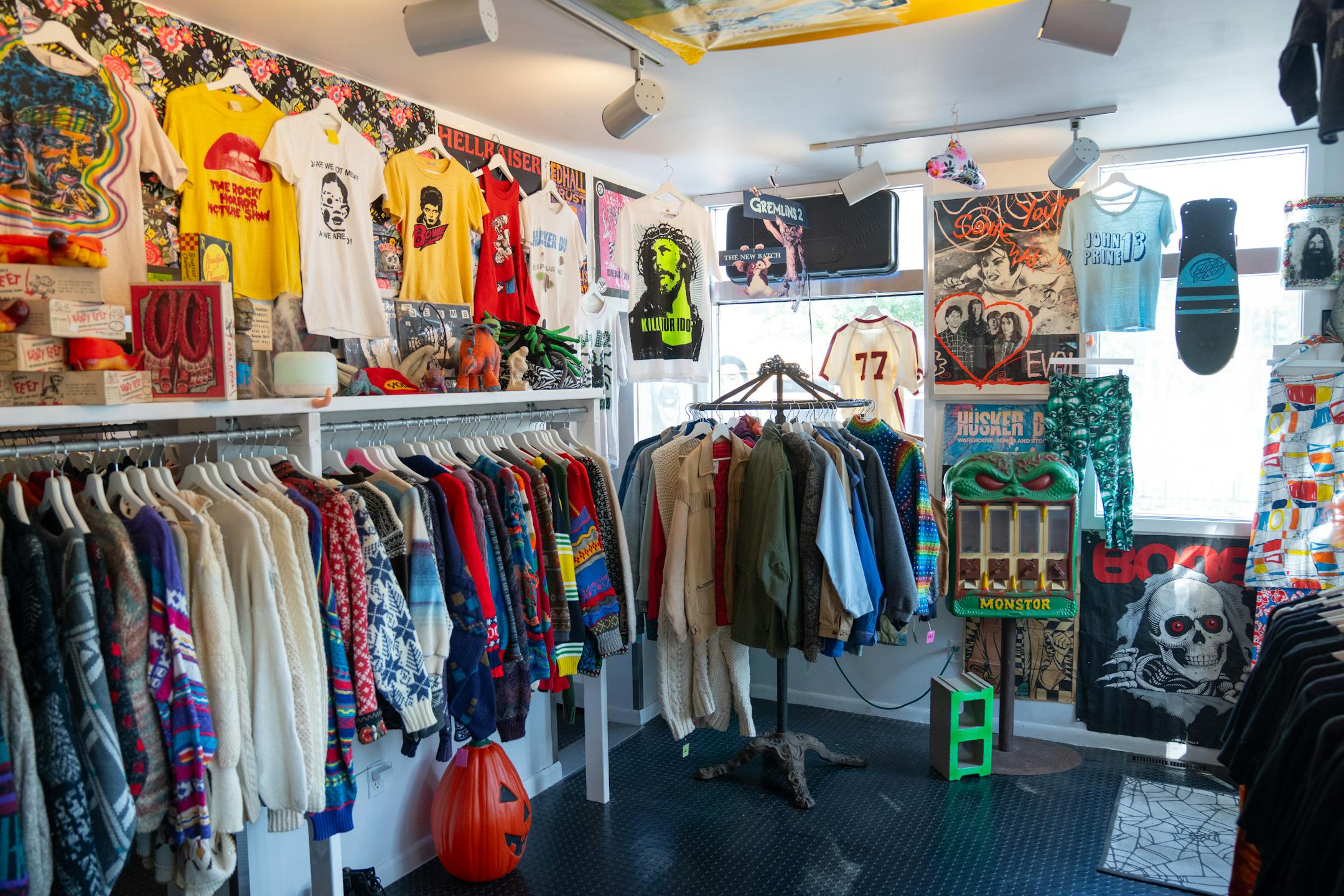
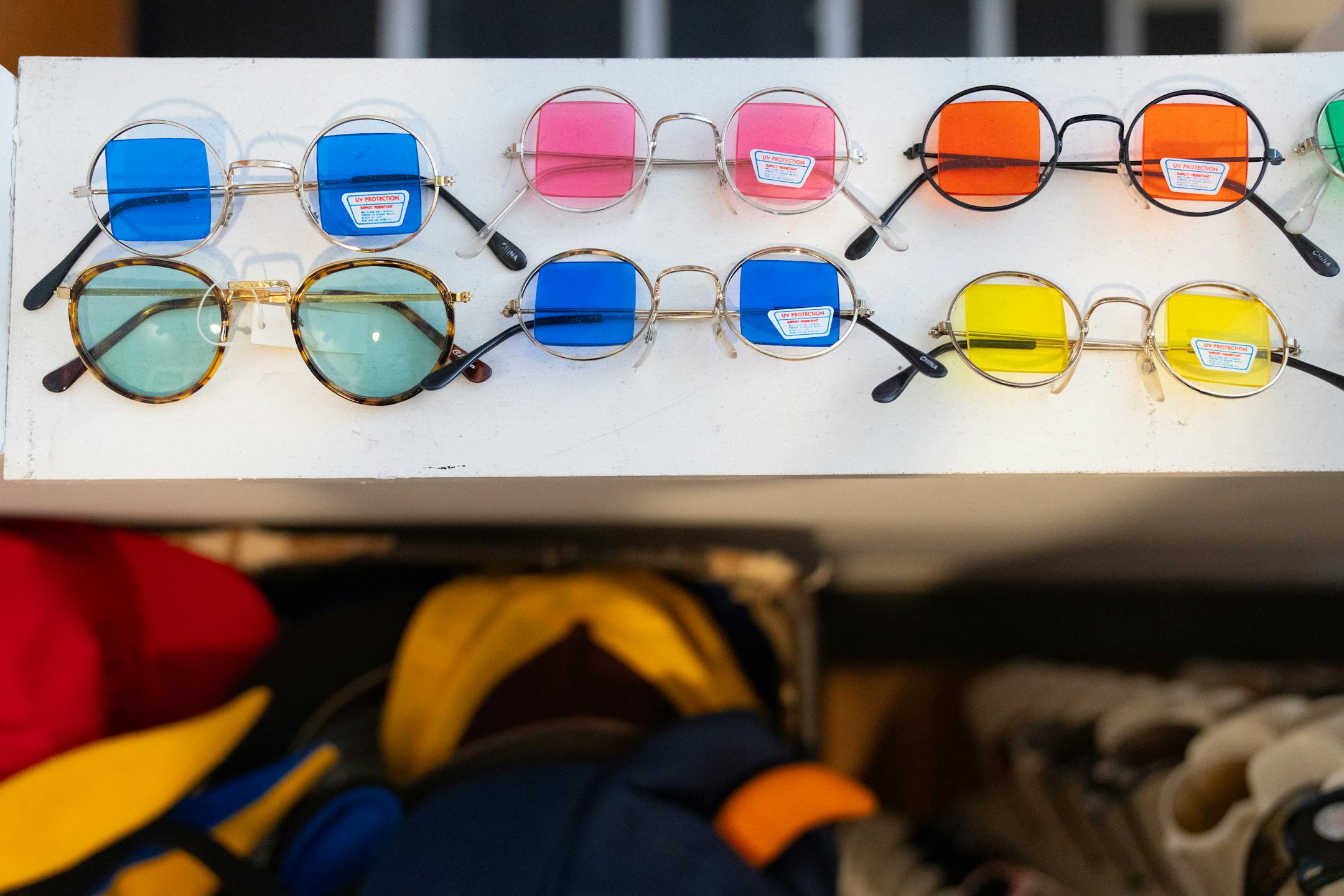
As secondhand apparel gets more popular, especially with the ease of online shopping, sourcing goods is getting harder, Schaefer says. He buys from a variety of sources he holds close to the (decades-old down puffer) vest — Like, where did he get that huge cache of 80s and 90s sunglasses? “Are you insane?” Schaefer replied. He also sells to dealers who fly in regularly from Japan, which is known for its world-class vintage scene.
But Schaefer is willing to put in the effort, even sleeping overnight in his car to get first crack at a promising estate sale. “If you deal vintage clothing you have to have a real obsession with things from the past,” he said.
Serendipitous discoveries
Schaefer, 45, lived near the 1930s White Castle building when he was a teenager, and used to pass it on his way to music shows at a neighborhood punk house. Back then, the area was home to small shops where you could buy a pair of phat pants and get directions to raves, he recalled. He shopped at local vintage shops, thrift stores and Ragstock — which was founded in Minneapolis in the 1950s and became one of the largest and longest-running recycled-clothing retailers.




![Brandi Carlile performed "You And Me On The Rock" in concert Saturday, July 30, 2022 at Xcel Energy Center in St. Paul, Minn. ]](https://arc.stimg.co/startribunemedia/P4TW2YOFYDOM6HK7YPPI7CCG2U.jpg?&w=436&ar=3:2&fit=crop)

