

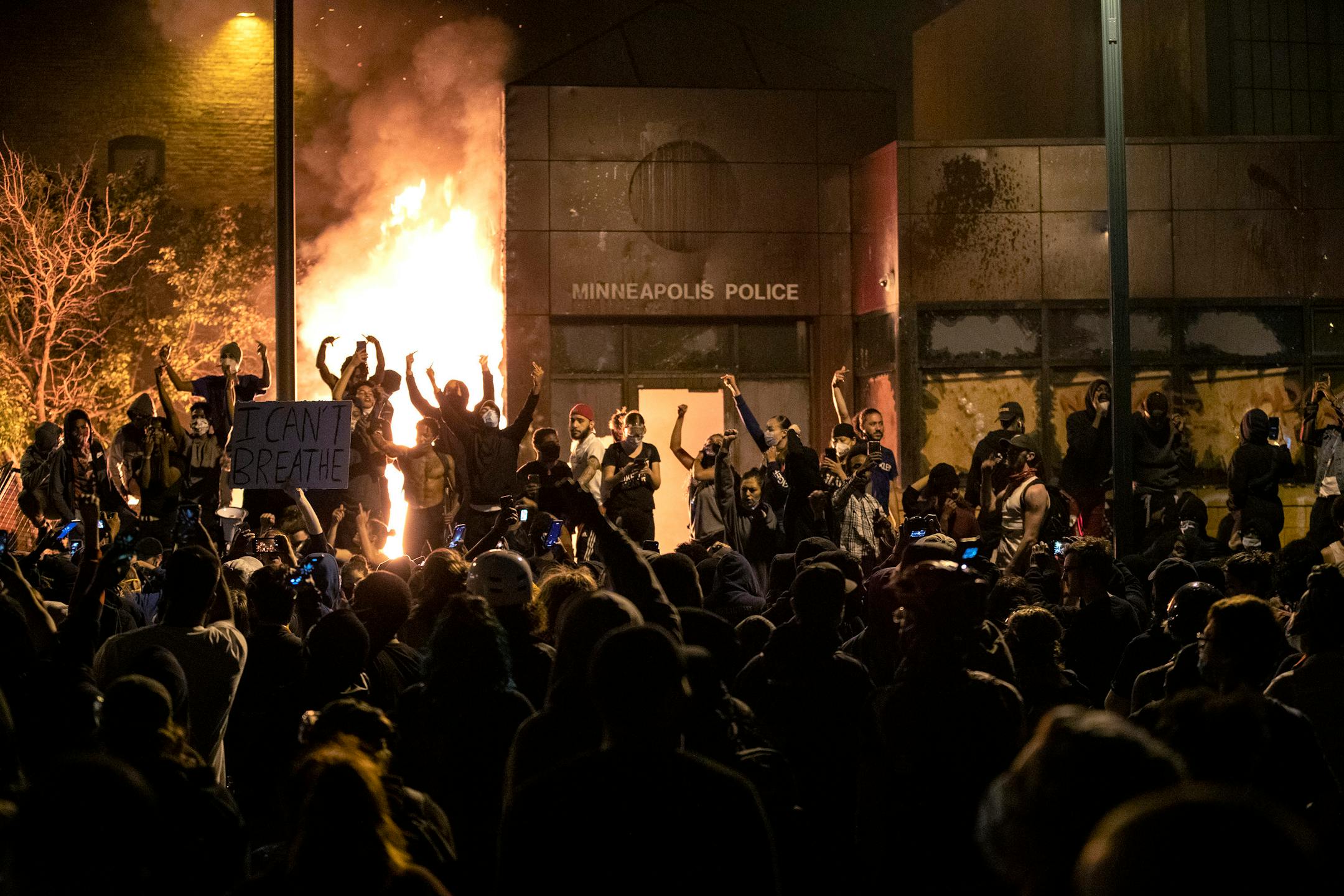
Nearly three years after the mass protests, rioting, looting and arson following the police murder of George Floyd, Minneapolis is ready for the next emergency, Mayor Jacob Frey and a phalanx of city officials said Thursday.
"The next time something goes down, we will be prepared," Frey said in a City Hall news conference.
The statement marked the passing of a mundane milestone: A quarterly update of the city's "after-action report" on the violence and disorder that erupted from initially peaceful protests over Floyd's May 2020 murder under the knee of a Minneapolis police officer.
That report, released in March 2022, concluded that the city — and Frey in particular — failed to implement the city's emergency plans. Over the course of 10 days across the metro area, at least two people died, one police station was torched, and more than 1,500 businesses sustained an estimated $500 million in damage, while some Minneapolis residents and business owners felt abandoned and forced to fend for themselves.
Saying he wasn't shying away from those conclusions, Frey said the progress report — a checklist of where the city stands in implementing 27 recommendations of the after-action report — is a "source of humble pride."
He also emphasized that the city isn't bulletproof. "We can still be 100% prepared and still be overwhelmed," he said, drawing an analogy to wildfire-fighting units in the American West.
Incident command 'reset'
Implementing the checklist has involved every city department, officials said, and Frey was flanked Thursday by officials who included Police Chief Brian O'Hara, Community Safety Commissioner Cedric Alexander, Emergency Management Director Barret Lane, Fire Chief Bryan Tyner and interim City Operations Officer Heather Johnston.


