

Quickly restoring blood flow after a heart attack limits the amount of heart tissue that dies from lack of oxygen.
But abruptly restarting blood flow may also cause damage by spreading molecules that form in the absence of blood flow. Doctors now believe that limiting the so-called "reperfusion injury" from restarting coronary blood flow is one of the best opportunities in heart attack care to preserve tissue that can keep the heart beating for years to come.
So why is it so hard to do clinical testing on ways to prevent reperfusion injury?
The key stumbling block, a prominent Minneapolis cardiologist argues, is getting patients to sign an "informed consent" form to take part in research while they are also in the hospital having a heart attack — a condition that worsens by the minute without treatment.
Regulators want to protect patients from research experiments that they don't understand.
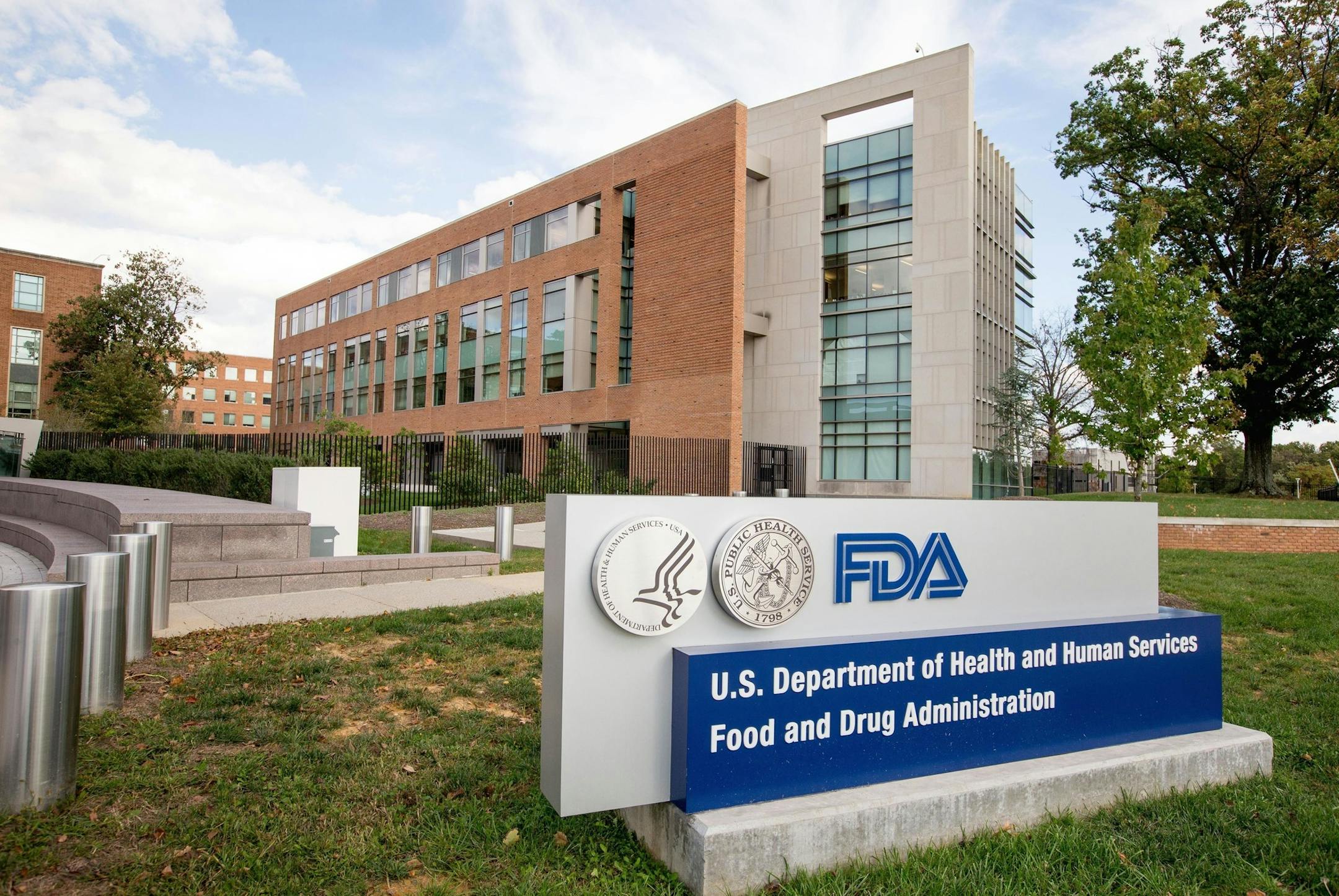
But in an editorial in the peer-reviewed journal Circulation Research, Dr. Jay Traverse says the Food and Drug Administration and the private companies that manage research are using so much red tape that it stands in the way of research on lifesaving treatments in emergency medicine.
"How does a patient with ongoing chest pain and potential hemodynamic instability or arrhythmias read, let alone comprehend, a 15-page consent form and HIPAA documentation? Research suggests they do not!" Traverse's opinion article says. (HIPAA is the Health Insurance Portability and Accountability Act, which established national standards for medical record privacy.)
Traverse is director of research at the Minneapolis Heart Institute Foundation and an associate professor of heart medicine at the University of Minnesota. His article in Circulation Research recounted a real-world example of difficulties faced by a federally funded clinical trial of a treatment to prevent reperfusion injury at Allina Health's Abbott Northwestern Hospital in Minneapolis.


