

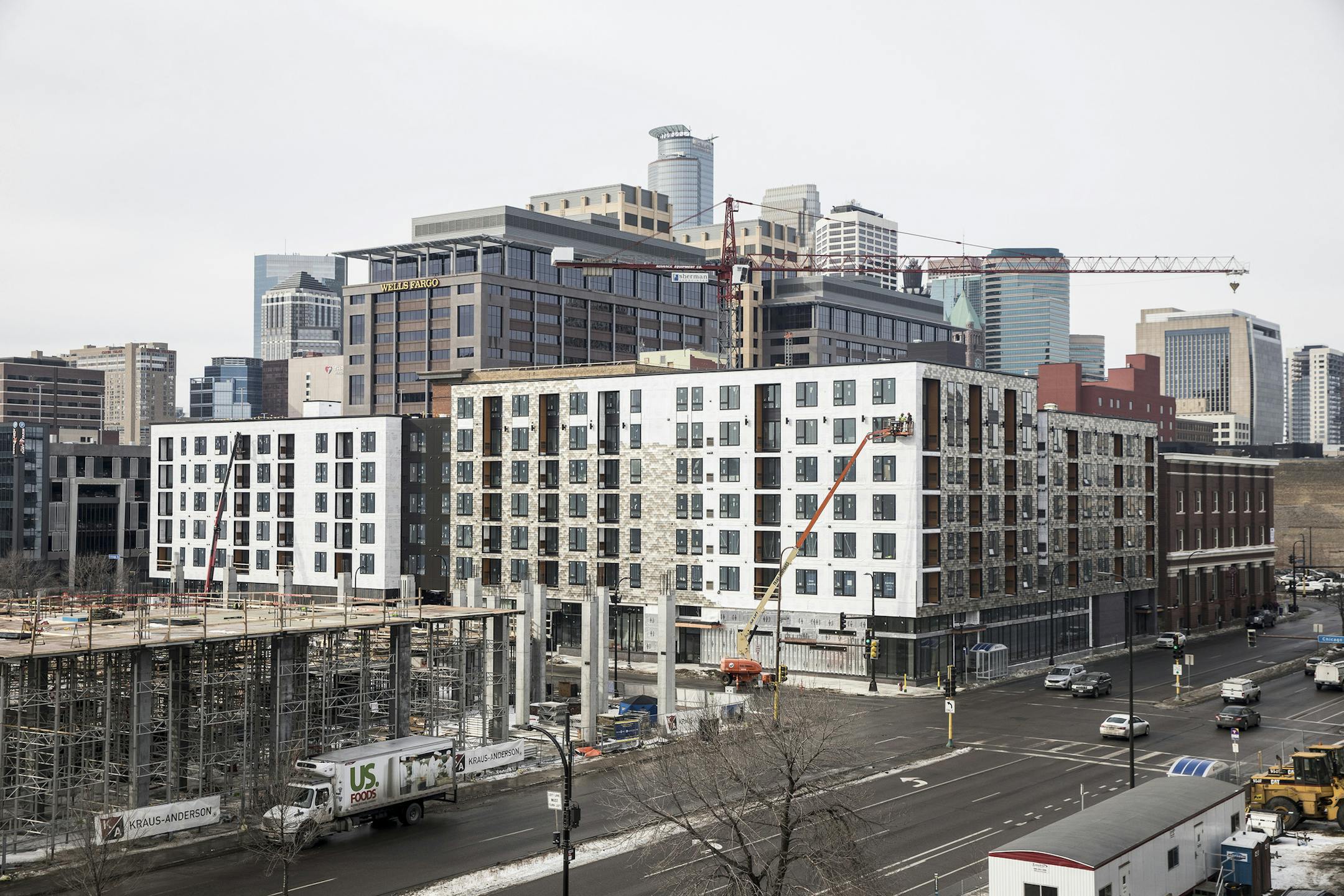
The argument behind upzoning in the Minneapolis 2040 Comprehensive Plan is that if the quantity of housing units is increased by removing or relaxing building standards and allowing single-family teardowns to be replaced with duplexes, fourplexes and commercial buildings in neighborhoods currently zoned for single-family homes, the increase in supply will stabilize or reduce prices.
The problem is, quantity is not the same as supply. And we can be in the supply-and-demand business only if all housing units are identical, if buyers do not care which house they buy and if all houses sell for the exact same equilibrium market price.
And because none of that is true, we are not in the supply-and-demand business.
We are in the quantity business.
And one of the best examples of increasing the quantity of housing units and the population density in a city is the massive condominium complex recently completed in Wayzata. Did low-income and middle-income people rush to buy the new units, given that, without traffic, they are only 10 or 15 minutes from downtown? No. Because units start at $1 million each.
In the real world, developers build houses and condos that they think will give them the greatest profits, which does not mean the more they build, the lower the price.
In Minneapolis, builders have been tearing down single-family homes they buy for $350,000 to $400,000 and replacing them with million-dollar houses. Why? Because it's profitable. And when they do, the quantity of houses (or what the 2040 plan mistakenly calls supply) stays the same, but the price goes up. The teardown builders make profits while making the neighborhood even less affordable.
In other words, if someone wants to claim that increasing the quantity of housing units in a neighborhood or city lowers prices, they can look at Wayzata, Uptown, downtown, Edina, the North Loop or anywhere else large condo developments are taking place. They can also look at new houses being built in the suburbs. Does building new houses in Edina or Minnetonka mean prices go down? No. Prices are up to the builder and may be affected by some negotiating with the buyer. But no builder is going to think that because the house just completed adds to the quantity of houses in the neighborhood, or the city, it will have to be sold for a lower price. That's absurd.


