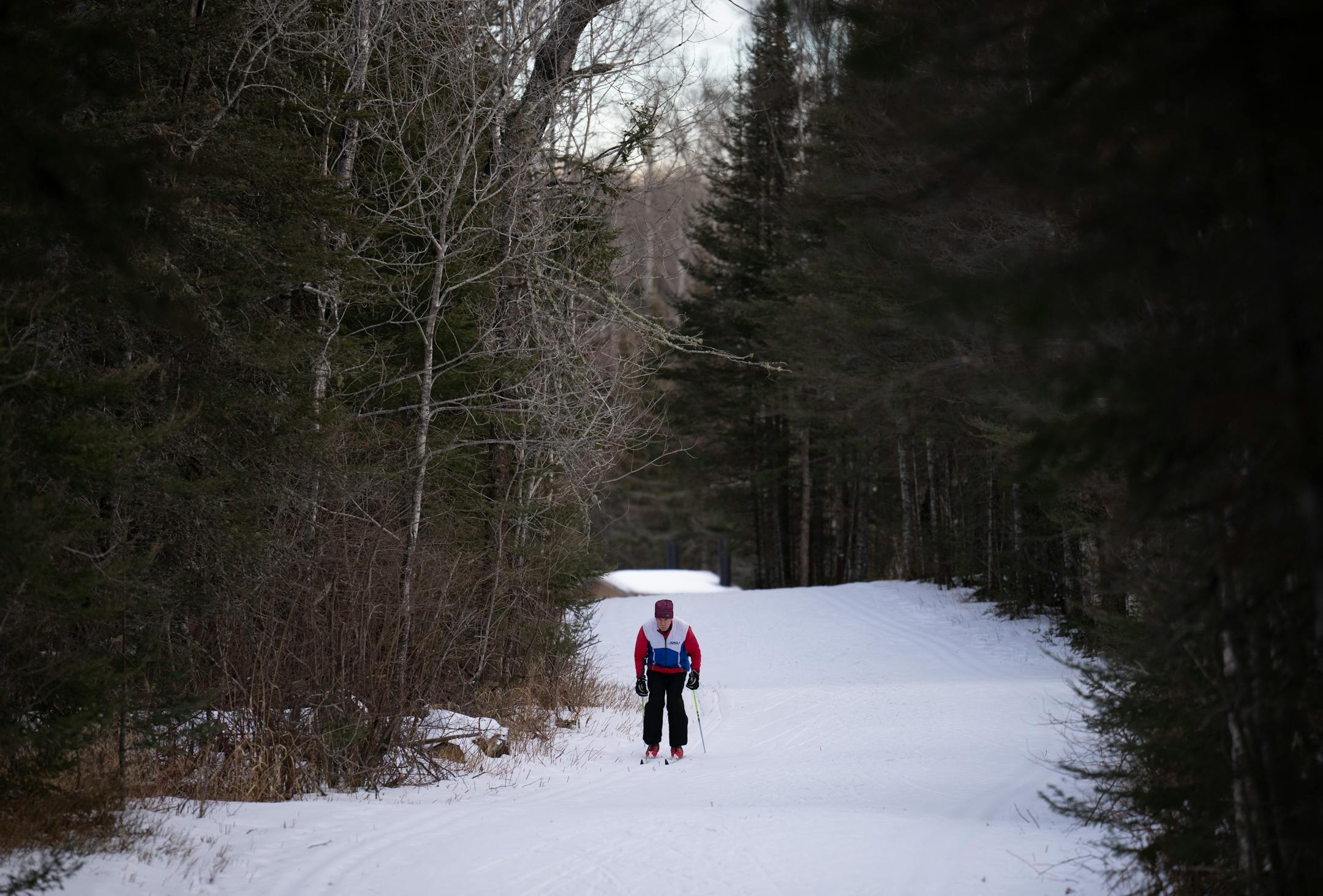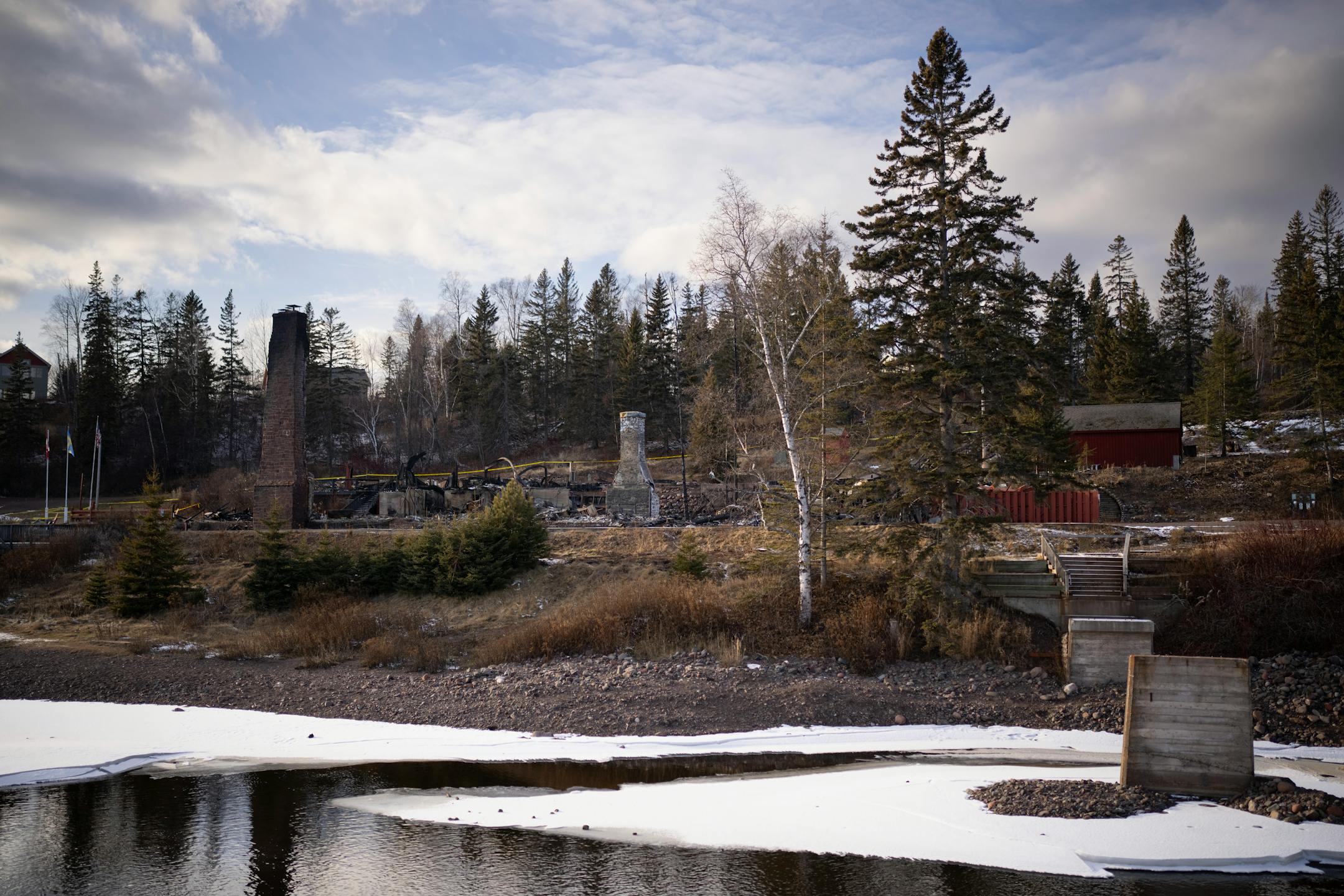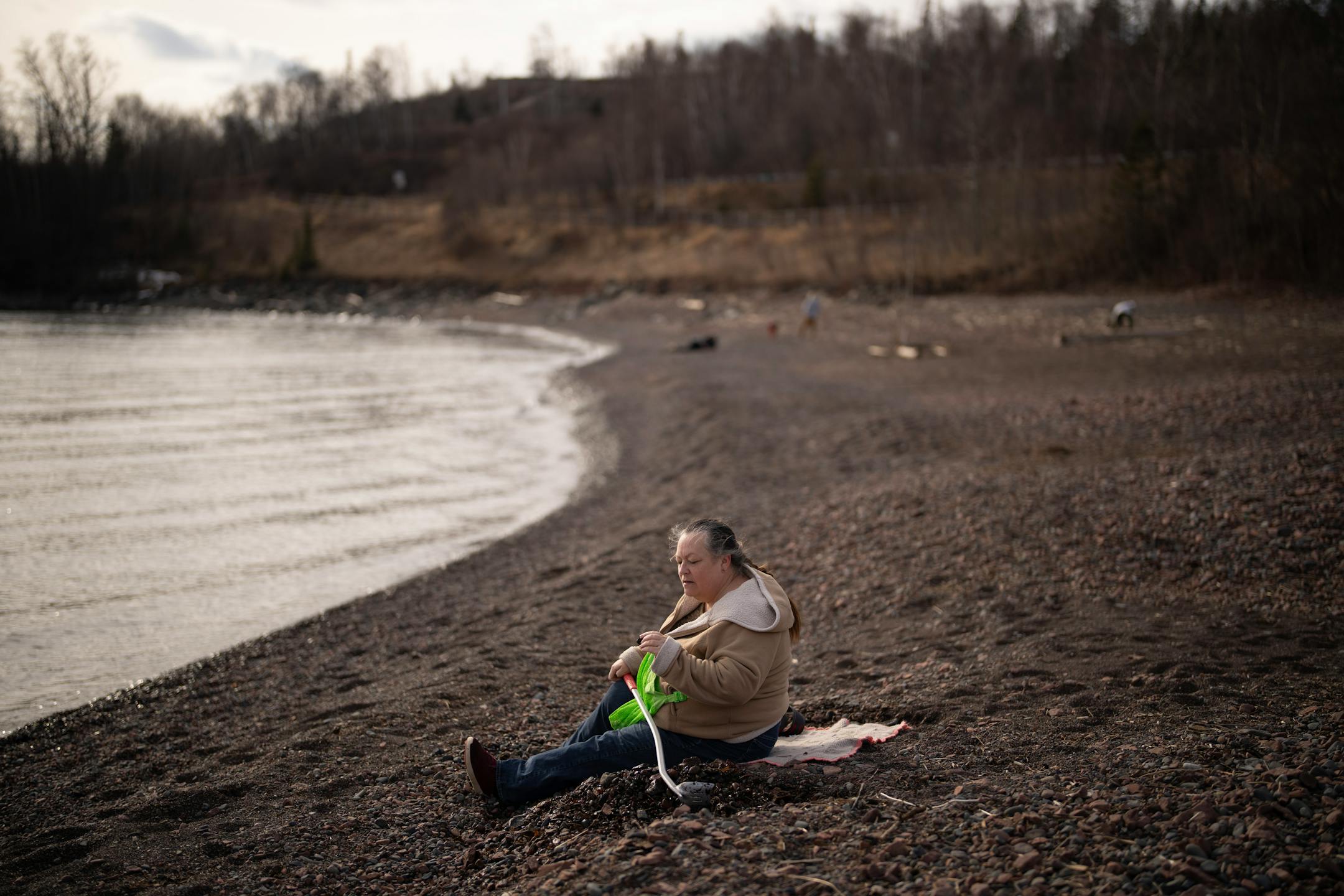
The destruction last week of historic Lutsen Lodge in a fire robbed Minnesota’s North Shore of one of the mainstays of its tourism industry in a year when record warmth has already delivered a blow.
The fire hit during another mild week for an area that has long depended on winter recreation. Hotels typically booming with ski travel have seen occupancy rates sink this winter. On the night of the fire, the lodge’s general manager said, no guests were booked — lucky in that no one died, but an ominous sign of the challenges long-term warming trends are bringing for industries that depend on the cold.
Bookings at area hotels and resorts are down about 30% to 40% compared with most winters, said Linda Jurek, executive director of Visit Cook County in Grand Marais.
“Our winter has been one for the abysmal record books,” said Jurek, who grew up in the area. “We have had very low snow.”
The Lutsen region, about 90 miles northeast of Duluth along Lake Superior, has probably seen the biggest impact of the unseasonable weather because the Lutsen Mountains resort is most closely identified with skiing, said Aaron Bosanko of Odyssey Resorts, which manages several resorts across the state. When people think ski conditions aren’t the best or that some trails are closed, they are less likely to travel to the North Shore, he said.
Much like the entire travel industry had to drastically adapt to the pandemic, North Shore businesses have had to pivot this winter. They’ve highlighted well-groomed ice trails for skating, frozen lakes for ice fishing and woods where visitors can hike without having to bundle up, Jurek said.
Winter in northern Minnesota began with a wet, muddy December and almost no snow. That led to a January cooldown and some snowfall in Duluth and around the Arrowhead, said Ketzel Levens, meteorologist at the National Weather Service in Duluth. Lake effect snow meant it started to feel like winter a month late, she said.
But Duluth hit 50 degrees last week, cracking a daily high temperature record set in 1877.