

The world woke Wednesday to reports of a massive chemical weapons attack in the suburbs of Damascus, Syria. President Bashar Assad's crimes against his people have been barbaric from the beginning. But if these reports prove true, Aug. 21 will surely be the worst single day in the slow-burning massacre of innocence that has marked the past two years in Syria.
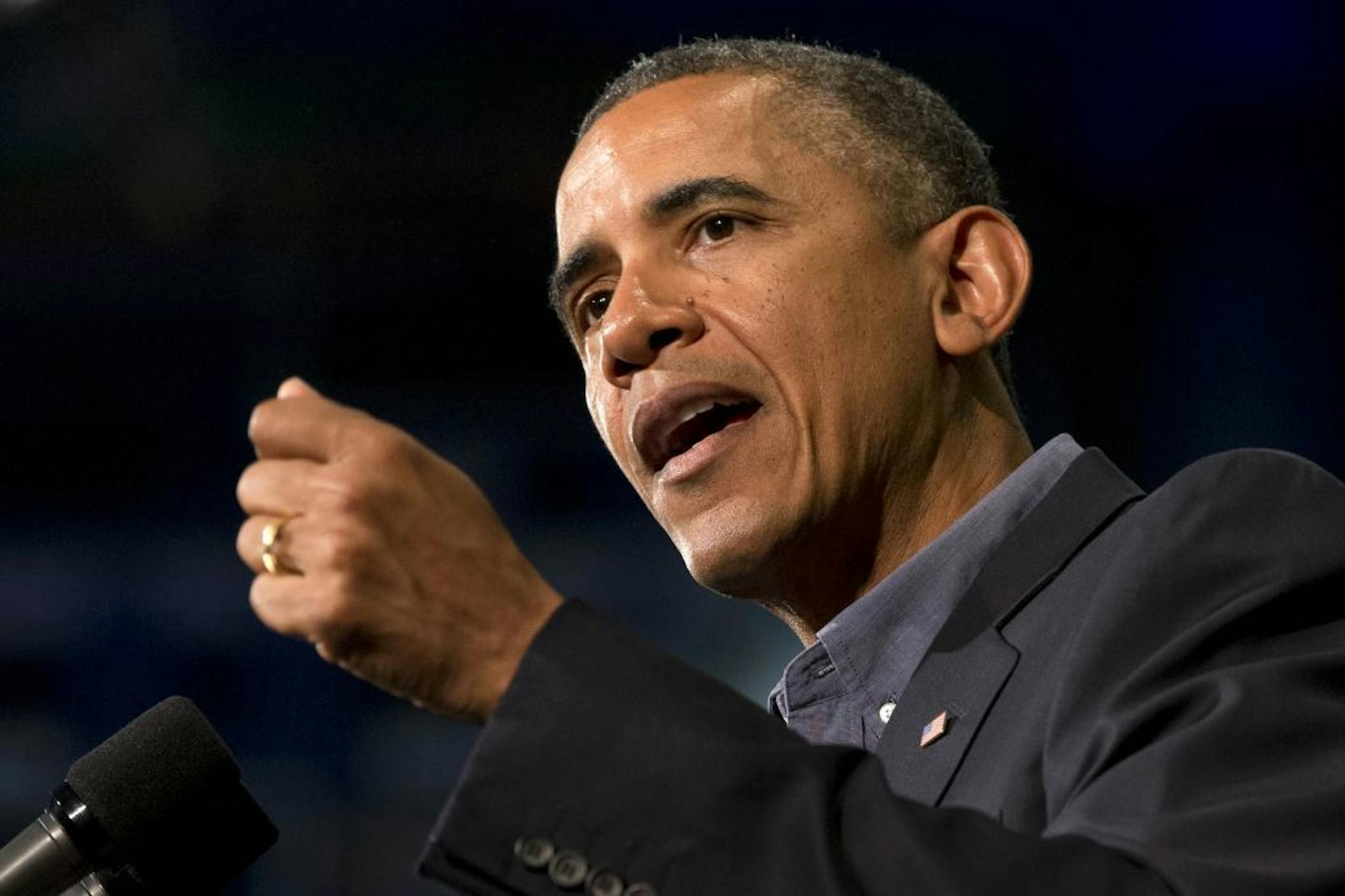
That's because these people would have died in precisely the manner the United States and the international community once claimed they could not allow. It was one year and one day ago that President Obama first said that Assad's use of chemical weapons against his own people would constitute a "red line" for the United States. He repeated his warning to Assad at least four more times, that the use of chemical weapons would be "a game-changer" for the United States.
Of course, not much about the game changed. Even after America's allies saw clear evidence of chemical weapons attacks, the White House needed more. And after the Obama administration announced it would begin arming Syria's rebels, it wasn't clear what those arms would entail, and that effort still hasn't begun. It's a safe bet that President Obama will never refer to "red lines" again, because if he does, no one will know what he means.
The Obama administration isn't responsible for preventing this massacre in Syria. Obama cannot control what happens in Damascus or Cairo, and it's unfair to suggest otherwise. But he must own the policies he creates and the messages those policies send.
And here's the truth: The president will run out the clock on the problems he likes least.
In Egypt, while Washington fretted over the definition of a "coup," the Gulf's monarchies happily stepped in to fill the void. In Syria, the administration hemmed and hawed about arming the rebels for 18 months. When they finally came around to the notion, the "good rebels" were buried in shallow graves.
There is a cost to slow-walking a foreign-policy crisis.
We want our presidents to be judicious in how they exert American power abroad. Foreign policy is the one area where they act with a relatively free hand. If you doubt that, look at the supposed argument over whether former President Mohammed Morsi was ousted in a coup. Every high school civics student understands that Gen. Abdel Fattah al-Sissi undemocratically removed Morsi from office. Congress passed a law that insists that any country whose democratically elected leader is deposed by the military can no longer receive military aid. Yet, for more than six weeks, the White House has simply sidestepped the matter and has continued to support the Egyptian military. If that changes, it will only be because Egypt's generals have made it politically impossible to continue to support them, not because the White House feels bound by the Foreign Assistance Act.


