Mexican presidents tend not to get the economy off to a flying start when they first take office.
The past six leaders saw the economy shrink by an average of 0.4% during their first year, but went on to enjoy growth of 3.5% in their sixth and final one. So likely are governments to enrich their allies at the expense of everyone else that each transfer of power causes investors to hang back until they know where they stand.
So it may not be a shock that Mexico will barely grow in 2019, the first year of Andres Manuel López Obrador's presidency. But economists worry that the malaise might linger this time.
López Obrador rode to power on the back of popular outrage against the status quo. The left-leaning populist wants to centralize power, boost the scope of the state and balance the books — all while hitting annual GDP growth of 4%, "double the growth achieved in the neoliberal period."
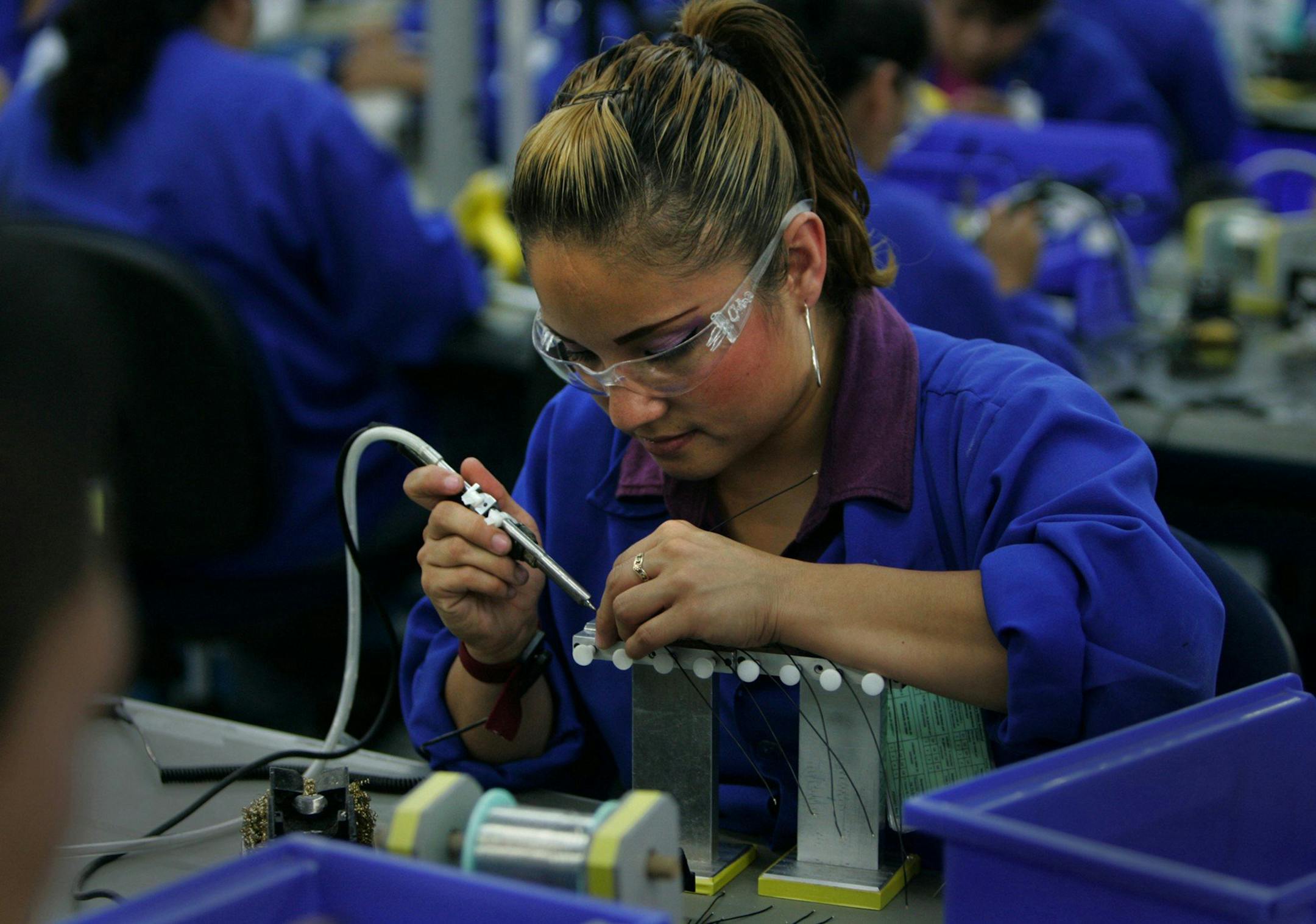
The list of headaches is long. Consumer confidence, which rocketed after López Obrador's inauguration, has slumped. Manufacturers are struggling: In the past year capital-goods imports are down by 16% in dollar terms, the biggest drop since the global financial crisis. The pace of job creation has decelerated. Economists have repeatedly slashed growth forecasts.
Not all the gloom is homemade. Exports, once a bright spot, are growing more slowly, hit by sluggish demand in the U.S. And threats from President Donald Trump, first to tear up the North American Free Trade Agreement and then to impose tariffs on Mexico to deter Central American migration, have added to the uncertainty.
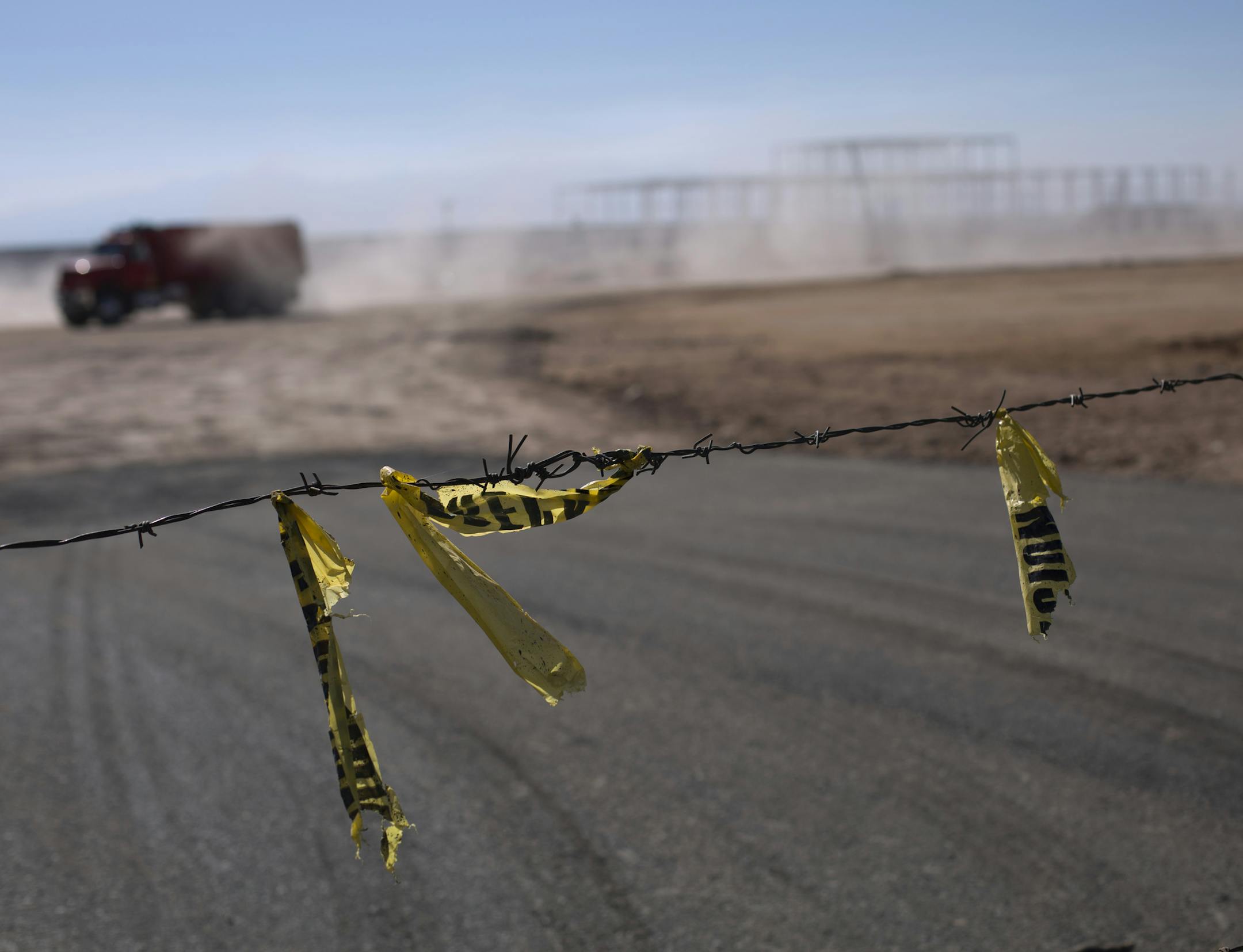
But businesses also complain of mixed messages from Mexico's president. He bashes the private sector while his advisers hint that pro-business policies are just around the corner. He scrapped a $13 billion airport that was under construction because he deemed it too pricey; he ordered the renegotiation of a gas-pipeline contract that he thought too generous. In July Carlos Urzúa, the technocratic finance secretary, resigned, accusing the government of indulging in extremism over evidence when making decisions.
The government's fiscal commitments have trapped it in a negative feedback loop, said Gabriel Lozano of JPMorgan Chase.