When an asteroid hit Earth 66 million years ago, wiping out the dinosaurs and 75 percent of plant and animal species, it hurt Mexico first. Donald Trump's inauguration is far less frightening, but Mexicans can talk of little else.
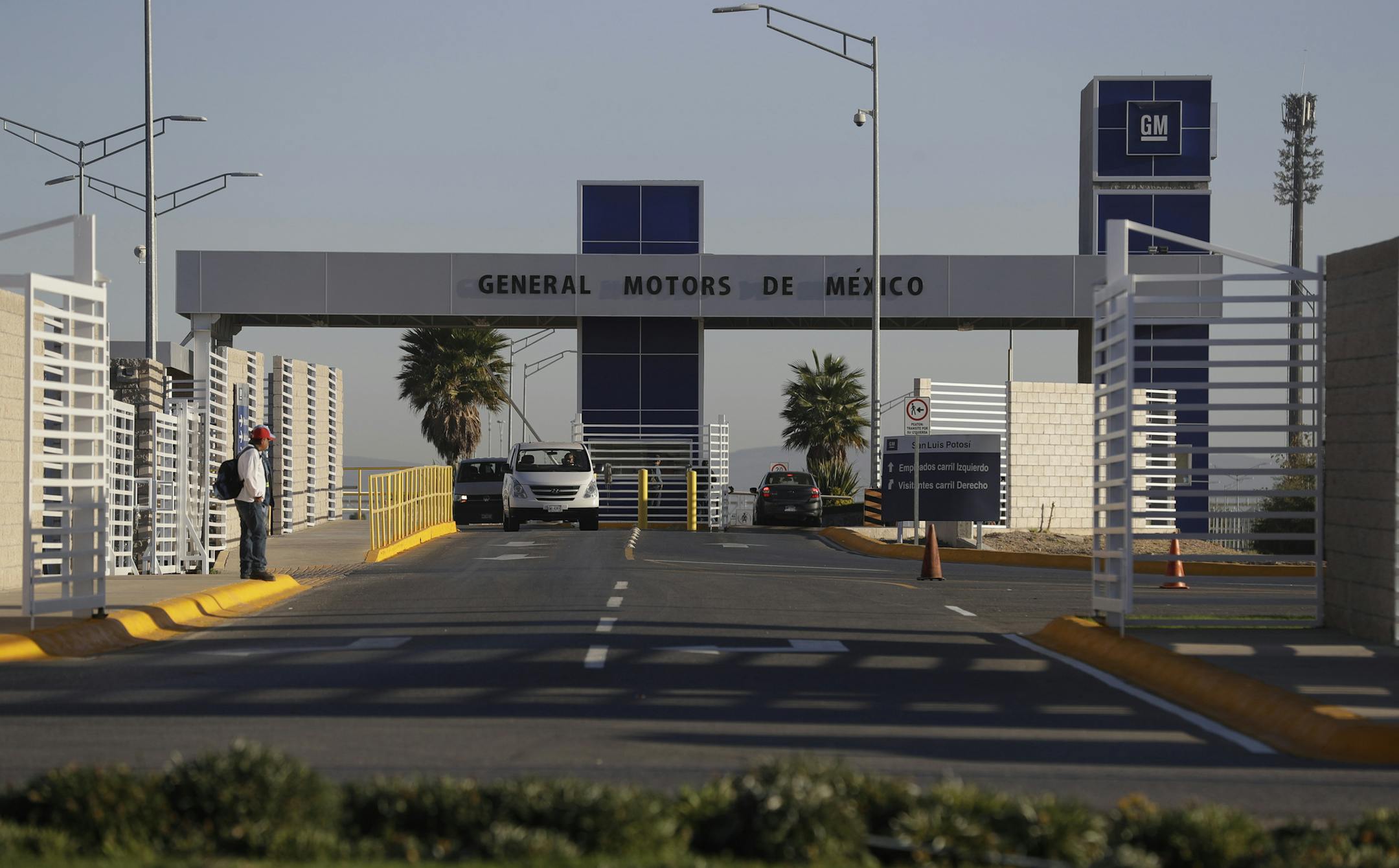
Outside a massive Volkswagen factory in Puebla, two hours' drive from Mexico City, workers fret about Trump's threats to whack big tariffs on cars made in Mexico. One American carmaker — Ford — canceled plans to build a $1.6 billion plant in San Luis Potosí, some five hours farther north. It may have had other reasons for doing so, but workers in Puebla are not reassured.
"We're frustrated," says Ricardo Méndez, an equipment repairman who works for one of VW's suppliers. He had expected his employer to send him to work at the new Ford plant. Between bites of spicy chicken taco, Santiago Nuñez, who works for another VW supplier, vows to boycott the American carmaker.
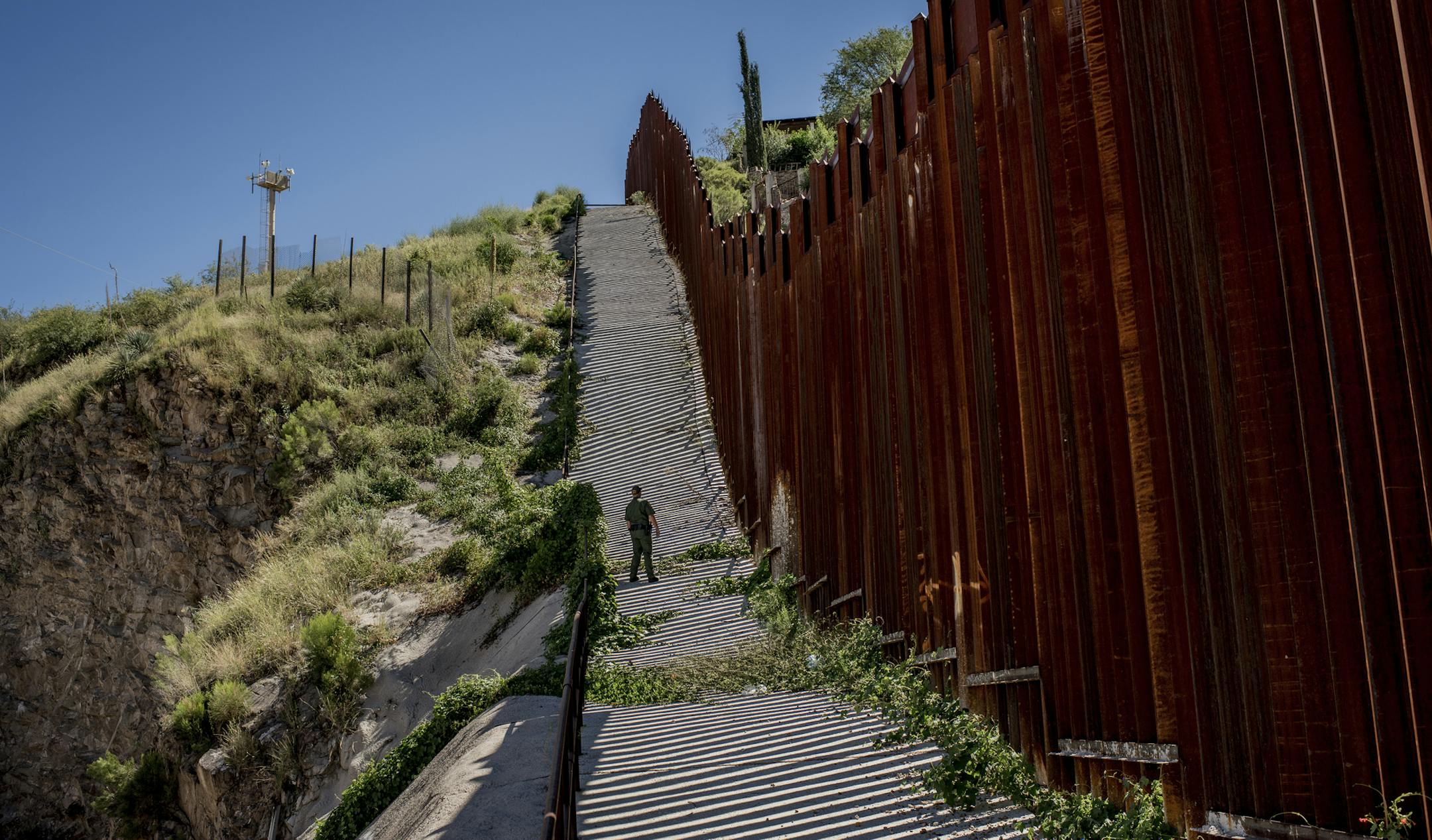
The anger and bewilderment in Puebla is felt across Mexico. Trump's promises to make Mexico pay for a border wall, deport millions of illegal immigrants and rip up the North American Free-Trade Agreement (NAFTA) were among the few consistent policies in his largely substance-free election campaign. He has not lost his taste for Mexico-bashing. In his news conference on Jan. 11, Trump repeated his claim that Mexico is "taking advantage" of the United States. Mexicans can only wait and wonder how he intends to act on that misguided notion.
The Trump presidency streaking toward Mexico is already causing problems. Inflation has started rising in response to the devaluation of the peso caused by his election. The central bank raised interest rates five times in 2016; it will probably have to continue tightening. After a sharp rise in public debt as a share of GDP over the past several years, the government must curb spending.
Over the past few months economists have lowered their forecasts for GDP growth in 2017, from an average of 2.3 percent to 1.4 percent. On Jan. 1, the government cut a popular subsidy by raising gas prices by up to 20 percent. Six people died in the ensuing protests.
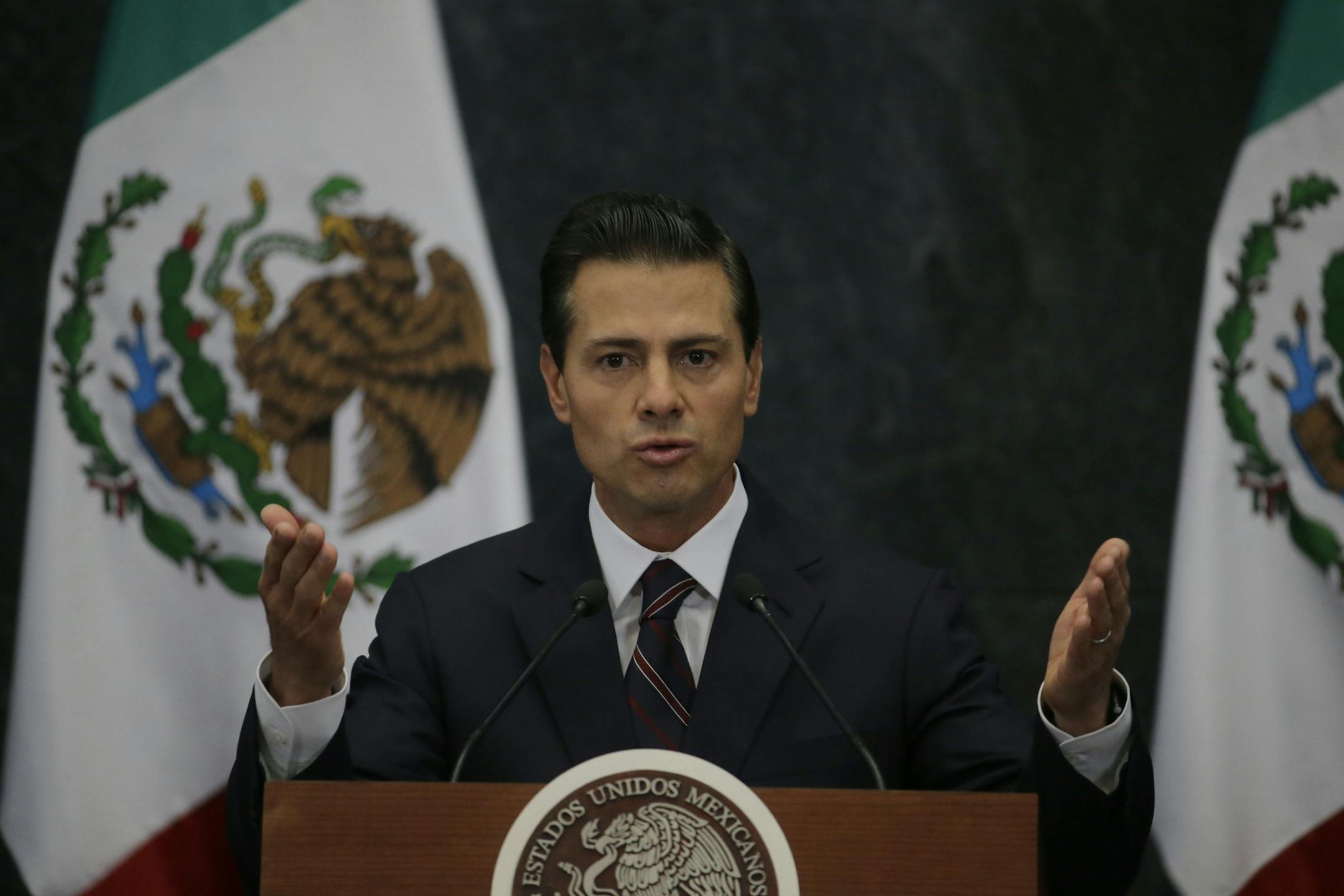
If Trump declares economic war, things could get much worse. The economy could stumble into recession, just as Mexico is preparing for a presidential election in 2018. Trump's pugilism increases the chances that Andrés Manuel López Obrador, a left-wing populist, will win. He would probably counter American protectionism with the sort of self-destructive economic nationalism to which Mexico has disastrously resorted in the past. Vital reforms of energy, telecoms and education, enacted under Mexico's current president, Enrique Peña Nieto, might be reversed.
Mexican officials think the Trump presidency poses two main dangers. The first is that the United States will renounce NAFTA, which it can do after six months' notice, or simply shred it by putting up trade barriers. The second is that, as a way of forcing Mexico to pay for the wall, Trump will carry out his threat to block remittances from immigrants in the United States. These inject some $25 billion a year into Mexico's economy.