

When the Metropolitan Council last assembled a framework for how the seven-county Twin Cities region could sustain its projected development and population 30 years into the future, the biggest trend in residential real estate was the proliferation of McMansions in far-flung suburbs.
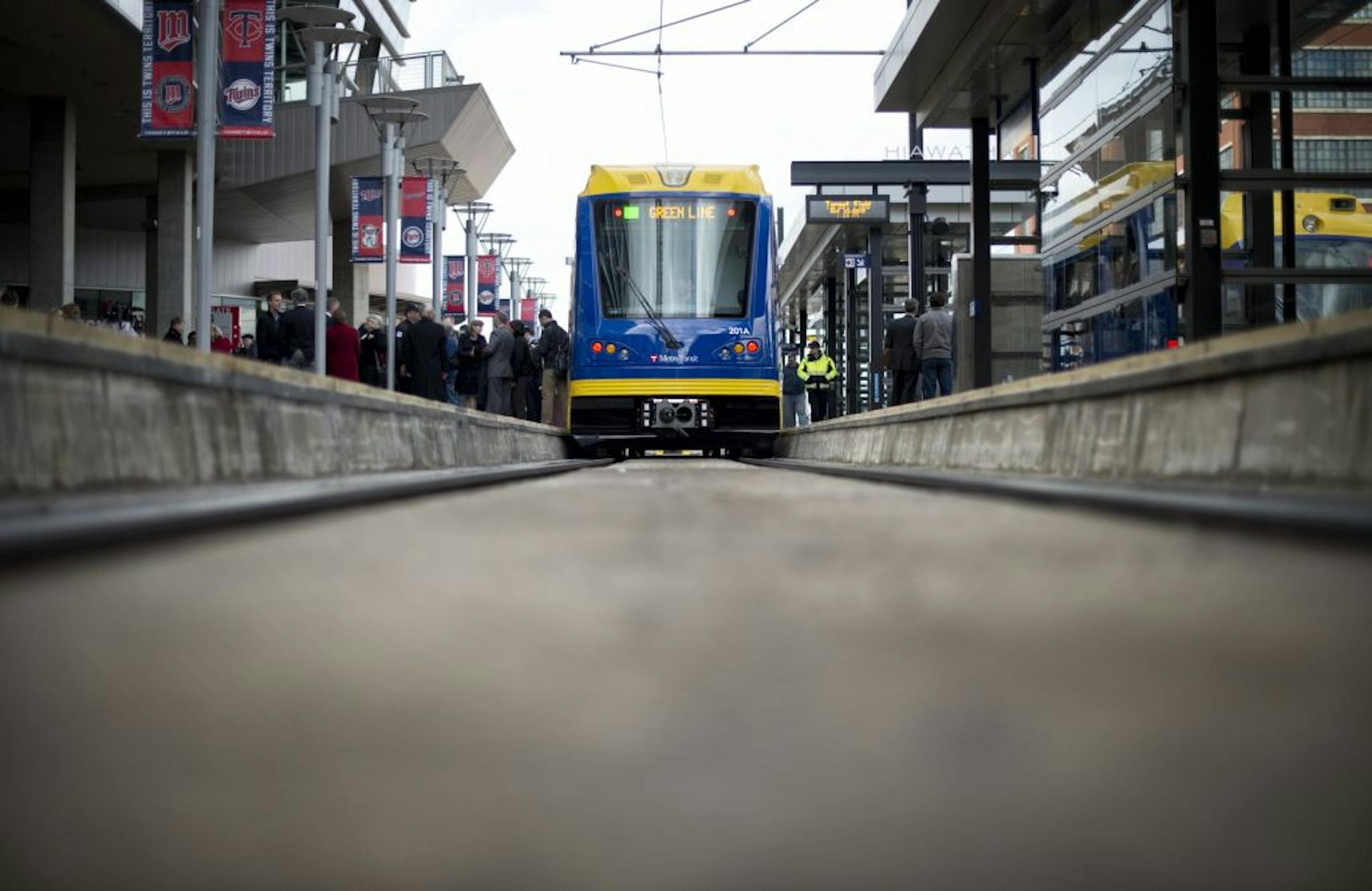
The Hiawatha light-rail line had yet to haul its first commuter and apartment vacancies were at all-time highs when that document, called the 2030 Regional Development Framework, made its debut in 2004.
Things have certainly changed. The homebuilding industry crashed in 2009 as a major recession, tight mortgage financing, higher gas prices and changing demographics shifted home buyer and commercial tenant preferences away from the distant suburbs to locations closer to the city.
Now the Met Council is in the early stages of updating the framework -- which serves as an overall growth plan for the region -- and is soliciting ideas from the hard-hit homebuilding and commercial real estate industries on the direction they'd like to see it take.
They call the updated plan "Thrive MSP 2040" and council officials have been conducting outreach sessions this year in which they're trying to get real estate professionals to think beyond the usual short-term timeframes and picture a future 30 years from now in which their customer bases will be much, much different.
"The changes over the next 30 years are going to be pretty dramatic," Met Council Member Harry Melander told members of the Institute of Real Estate Management last week. "Our communities are growing very diverse. Their housing, transportation and economic needs will change as well."
For example, he noted, the Twin Cities region will have 900,000 more people, with twice as many elderly. Also, by 2040, 43 percent of the region's population will be people of color, up from today's 24 percent.
Big changes are already being seen in housing patterns. The share of building permits issued in developing suburbs has been declining since 2008, when they had 66 percent of the total. But by 2011, less than half were issued in the second- and third-ring suburbs for the first time in a decade.



